Follow Us on Google

Energy experts have urged African countries to invest in gas infrastructure, strengthen regional cooperation and cut methane emissions to unlock the continent’s gas potential and boost industrial growth.
They made the call in a communiqué issued at the end of the third Emogas International Natural Gas-Based Industry Conference and Exhibition (EINGICE 2026), held in Abuja from October 28 to 29.
The communiqué, read by Dr Hamisu Dandajeh of Ahmadu Bello University, Zaria, said Africa held between nine and 10 per cent of the world’s proven gas reserves but accounted for only about 6 to 6.5 per cent of global gas production.
It called for urgent measures to bridge the gap through increased investment, improved infrastructure, technology development and stronger policies to expand Africa’s share of the global liquefied natural gas (LNG) market.
The conference brought together energy executives, policymakers, regulators, academics, researchers and investors to discuss gas supply security, policy alignment, digital transformation, production efficiency, technology commercialisation and skills development.
The communiqué noted that Nigeria’s proven gas reserves had increased from about 41 trillion cubic feet in 1980 to 215 trillion cubic feet in January 2026.
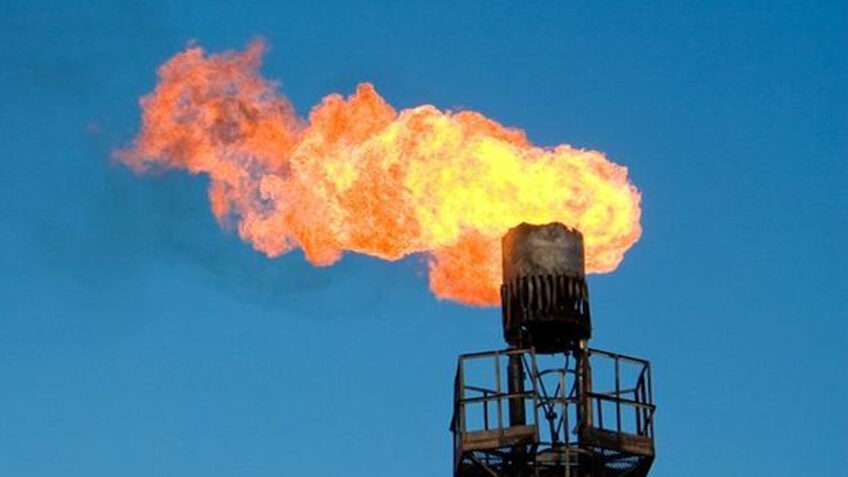
It also said gas flaring had declined from between 75 and 80 per cent of production in the 1980s to below seven per cent in 2026.
According to the stakeholders, gas-fired plants accounted for 23 of Nigeria’s 28 grid-connected power plants, while the number of compressed natural gas (CNG) stations increased from seven in 2023 to 105 in 2026.
Despite the progress, they identified inadequate infrastructure, unreliable gas supply, high capital costs, weak institutional coordination and limited access to finance as major obstacles to the sector’s growth.
They stressed that Africa must translate its abundant gas resources into reliable energy supply, industrial development, job creation and broader economic opportunities, noting that natural resources alone could not guarantee access to electricity.
The stakeholders urged governments to harmonise policies, regulations and contracts, assign clear responsibilities for project delivery and improve coordination among gas producers, infrastructure providers, industrial users and financiers.
They also called for stronger pipeline security, improved metering and payment systems, adequate gas supplies for processing facilities and wider domestic adoption of LPG and CNG.
On environmental sustainability, the communiqué called for an end to routine gas flaring and urged producers to measure and reduce methane emissions across the gas value chain.
It said methane accounted for about 30 per cent of emissions across the LNG supply chain, adding that more than 60 per cent of methane emissions could be reduced using existing technologies, according to the International Energy Agency.
The experts cautioned against describing gas as clean without adequate evidence, urging operators to adopt verifiable emissions measurement and reduction measures.
They further recommended comprehensive risk assessments covering prices, foreign exchange, capital expenditure, security, shipping and project timelines before final investment decisions were taken.
On financing, the stakeholders called for the use of regional funding mechanisms, including the Africa Energy Bank and local financing syndicates, to support strategic gas infrastructure.
They also advocated stronger cooperation among African regulators to harmonise cross-border gas trade guidelines and develop credible regional pricing benchmarks.
The communiqué emphasised the need to deploy digital technologies to improve plant operations, production efficiency, measurement and emissions management.
It recommended that digitalisation begin with reliable measurement systems and data collection before the introduction of advanced analytics and artificial intelligence.
The stakeholders also called for joint investment by governments, universities and industry in research laboratories, testing facilities and demonstration centres to support the development and commercialisation of locally produced gas technologies.
They urged governments to provide research grants, tax incentives and enabling policies to attract private investment and strengthen collaboration between academic institutions and industry.