Follow Us on Google

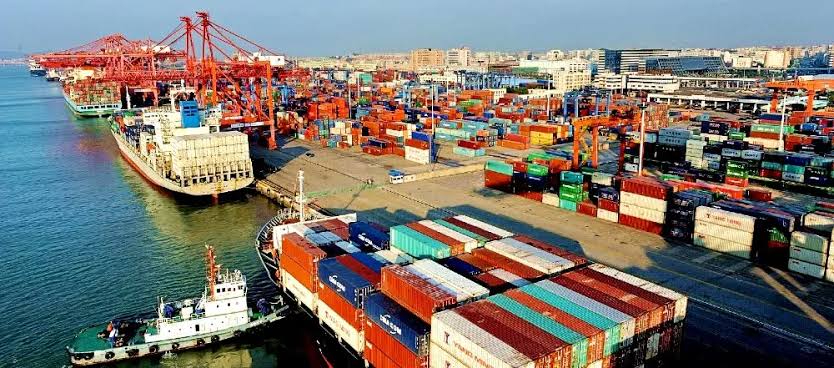
The federal government has been urged to urgently overhaul Nigeria’s seaports to prevent the country from losing cargo traffic, shipping business and investment opportunities to neighbouring countries with more efficient maritime facilities. Maritime industry experts warned that ageing infrastructure, poor connectivity, delays in cargo clearance and rising operating costs were weakening the competitiveness of Nigerian ports. They said the situation could encourage importers, exporters and shipping companies to divert their business to ports in nearby countries, depriving Nigeria of revenue and jobs.
The stakeholders gave the advice at the Network of Nigerian Maritime Journalists (NNMJ) National Conference at the weekend.
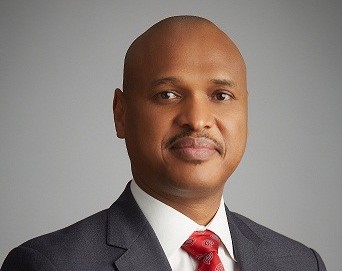
In his opening address, former Director-General of the Nigerian Maritime Administration and Safety Agency (NIMASA), Temisan Omatseye, cautioned that investments in port development would yield limited benefits without corresponding improvements in road and rail infrastructure to ensure the efficient evacuation of cargo.
Omatseye said the country’s maritime industry could not function effectively in isolation from other modes of transportation.
He urged maritime journalists to broaden their coverage to include road and rail transportation, stressing that the efficiency of seaports depended largely on the effectiveness of the transport networks connecting them to cargo destinations.
Citing the persistent traffic congestion around Apapa and emerging difficulties along the Lekki-Epe corridor, Omatseye lamented that Nigeria appeared to have transferred its inefficiencies from Apapa to Lekki.
He questioned the rationale behind routing heavy-duty trucks through city centres when alternative routes through Ogun State could be explored to ease congestion and improve cargo movement.
The former NIMASA boss also challenged journalists to investigate the infrastructure requirements of emerging deep seaport projects, particularly the proposed Ibaka Deep Seaport.
He question how cargo from the facility would be transported to the North-East and how solid minerals from the region would be moved to the port for export.
To demonstrate the importance of integrating port development with supporting infrastructure, Omatseye cited the Simandou iron ore project in Guinea-Conakry, which reportedly involves a $17 billion investment and the construction of a 650-kilometre railway line connecting the iron ore belt to a newly developed port.
He noted that Nigeria had 53 commercially viable solid minerals but needed to pay greater attention to the infrastructure required to harness these resources and position the country to benefit from international trade.
Other News
Omatseye further urged maritime journalists to move beyond reporting statements and reactions from industry stakeholders by undertaking investigative and analytical reports that examine policies, infrastructure gaps and investment opportunities.
He insisted that criticism of the maritime industry must be constructive and accompanied by practical recommendations for addressing identified challenges.
“We cannot allow our maritime industry to die. Change your focus; make your criticism constructive, by proffering solutions,” he said.
Also speaking, Chairman of NNMJ, Elder Dele Aderibigbe, said the modernisation of Nigerian seaports had become imperative as technology, automation, digitalisation and global best practices continued to reshape port operations across the world.
Aderibigbe warned that countries that failed to modernise their ports risked losing cargo, investments and economic opportunities to competing maritime destinations.
He said Nigeria could not afford to lag behind, noting that although the Nigerian Ports Authority (NPA), Nigeria Customs Service (NCS), NIMASA and other relevant agencies had made efforts to improve port operations, significant challenges remained.
According to him, Nigeria needed efficient port infrastructure, faster cargo clearance processes, transparent procedures, effective inter-agency collaboration and a business environment capable of attracting investors.
Meanwhile, Chairman of the NNMJ Advisory Board, Mr Sesan Onileimo, traced the efforts and engagements that culminated in the unification of maritime journalists and the eventual organisation of the national conference.
Onileimo appealed to maritime journalists to embrace unity and discard selfish interests capable of polarising the profession, urging practitioners to work together for their collective good and the development of the country.
He emphasised the importance of a united maritime media in contributing meaningfully to industry development and holding stakeholders accountable for policies and initiatives aimed at improving Nigeria’s maritime sector.