Follow Us on Google
From Adanna Nnamani, Abuja
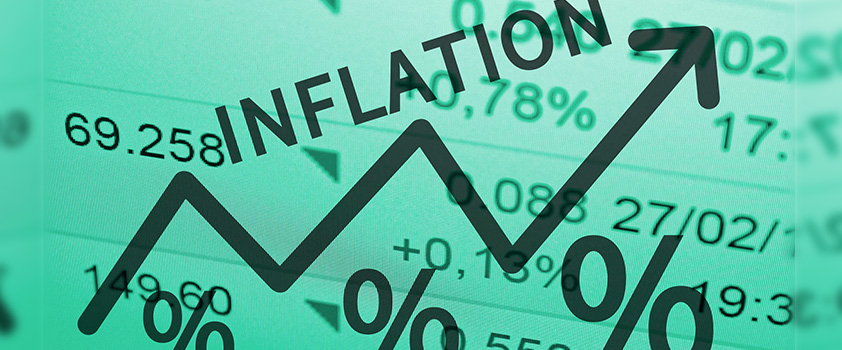
Economic experts have warned the Federal Government that inflation and rising hardship will persist in 2026 unless urgent steps are taken to fix the power sector and tackle insecurity, noting that monetary and fiscal policies alone cannot deliver real relief to Nigerians.
The experts said weak electricity supply, insecurity disrupting food production and high energy costs remain the biggest drivers of inflation, warning that recent macroeconomic gains would mean little if structural problems are left unresolved.
Former Director-General of the Abuja Chamber of Commerce and Industry (ACCI), Dr. Chijioke Ekechukwu, said insecurity must be confronted head-on to curb inflation, as farmers remain unable to return to their fields. “If it is insecurity, let us continue to fight insecurity so that people can return to their farms and produce more,” he said, noting that increased output would help bring food prices down.
Ekechukwu also linked inflation to high electricity and petroleum product costs, urging government to reduce production expenses. “Many of the factors responsible for the high cost of production, high cost of existence and high cost of living include high electricity costs and high petroleum product prices,” he said, adding that easing these costs would lower prices of goods and services across the economy.
Economic and development expert, Dr. Aliyu Ilias, said unreliable power supply and rising energy costs are crippling businesses and pushing up prices. He urged the government to scale up access to Compressed Natural Gas (CNG) nationwide to reduce transportation costs, which he said continue to keep food prices high despite claims of easing inflation.
Other News
“The economy looks good on paper, but it has not reflected in the lives of Nigerians. Until it does, inflation reduction remains cosmetic,” Ilias said.
Meanwhile, Executive Chairman of the Foundation for Economic Research and Training (FERT), Prof. Akpan Ekpo, identified power supply as the single most critical factor holding back economic growth. He said Nigeria cannot develop on a generator-dependent economy, stressing that improved electricity supply would reduce production costs and curb inflation.
“Power must be fixed. Industries need at least 20 hours of electricity daily. This band A, B, C arrangement is not working,” Ekpo said.
He noted that a one per cent increase in power supply could raise GDP by as much as four per cent, adding that stable electricity would boost industrial output and job creation. Ekpo also described insecurity as a major threat to development, warning that no economy can grow without peace and stability.
Citing World Bank data, he said about two-thirds of Nigerians are currently living in multidimensional poverty, adding that only sustained investment in power, security, education and healthcare can reverse the trend and ease inflationary pressures.