Follow Us on Google
By Chinwendu Obienyi
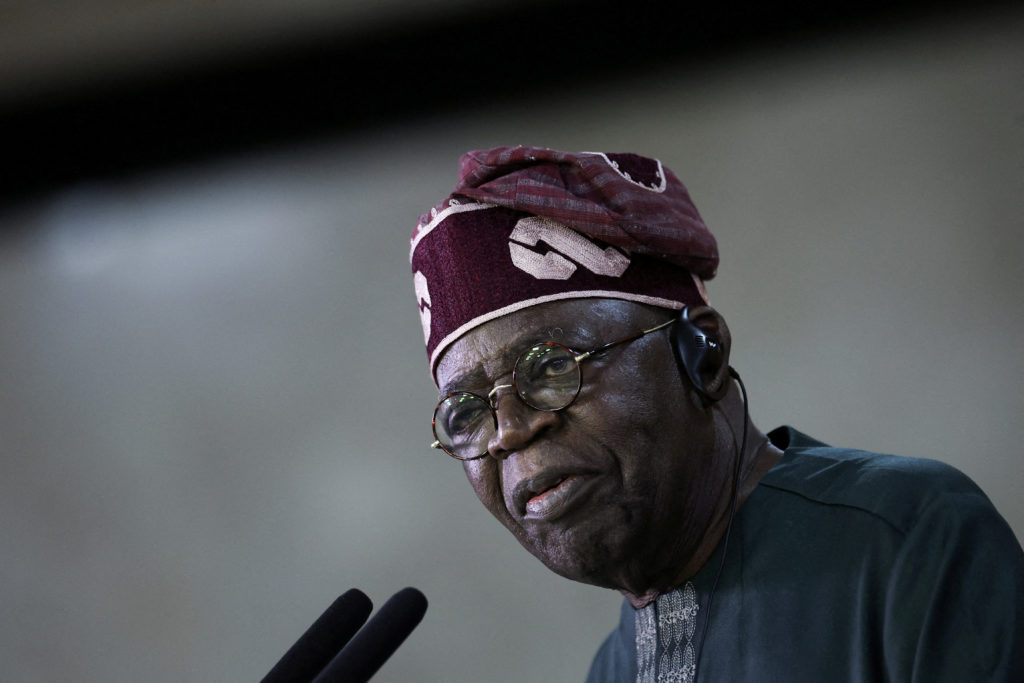
President Bola Tinubu’s latest request for a N1.15 trillion domestic loan to cover funding gaps in the 2025 budget has reignited debate over Nigeria’s spiraling debt profile, now hovering around N150 trillion, with analysts warning the country is edging toward a fiscal cliff.
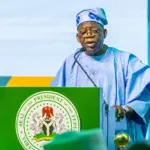
In a letter read by Senate President Godswill Akpabio during Tuesday’s plenary, Tinubu asked lawmakers to approve the new borrowing to address a deficit created after the National Assembly raised the 2025 budget from
N49.74 trillion to N59.9 trillion, an increase of N5.25 trillion beyond the executive proposal.
The expansion, according to Tinubu, has produced an unfunded deficit of N1.947 trillion, compelling the federal government to seek new financing from the local debt market. “It is therefore necessary to raise the domestic borrowing limit in the 2025 budget by
N1.147 trillion to close this shortfall,” the president wrote, citing Section 44 (1) and (2) of the Fiscal Responsibility Act, 2007, which mandates legislative approval for new government borrowings.
The Senate has referred the request to its Committee on Local and Foreign Debts for review, with a report expected within a week.
As a result, this has raised concerns amongst economic experts who say that the heavy borrowing could affect Nigeria in the long run if remained unchecked.
The country’s total public debt reached N149.39 trillion by March 2025, up from N121.67 trillion recorded a year earlier, according to the Debt Management Office (DMO). The sharp rise reflects heavy borrowing by both federal and subnational governments to plug revenue shortfalls and fund ambitious spending programs.
Chief Executive Officer, Centre for the Promotion of Private Enterprise (CPPE), Muda Yusuf, warned that Nigeria is “spending far beyond its means,” with over 80 per cent of government revenue now devoted to debt servicing.

“We are borrowing primarily to fund consumption and recurrent expenditure rather than productive capital projects,” Yusuf said. “This path will only deepen the fiscal crisis if urgent reforms are not undertaken.”
Echoed similar fears in the past, CEO of Financial Derivatives Company, Bismarck Rewane, noted that increased domestic borrowing could crowd out private investment. “The government’s rising appetite for local debt will push up interest rates and reduce access to credit for businesses,” he said.
Rewane also caution that the borrowing spree may fuel inflationary pressures. Yields on Treasury bills recently climbed to nearly 20 per cent, reflecting tighter liquidity and waning investor confidence amid persistent inflation, which stands above 28 per cent.
Despite mounting criticism, the Tinubu administration maintains that borrowing remains a legitimate financing tool, arguing that Nigeria’s debt-to-GDP ratio of about 52 per cent is still below international thresholds. Officials insist the loans are essential to sustain economic recovery, expand infrastructure, and support key social programs.
However, economists counter that the real challenge lies in the country’s weak revenue base, overreliance on oil, and costly subsidy regime. “It’s not the size of the debt that’s dangerous—it’s the structure of our revenue,” said a Lagos-based financial analyst.
As Nigeria’s borrowing needs continue to rise, concerns are mounting that without decisive fiscal reforms and stronger revenue mobilization, Africa’s largest economy could face deeper debt distress in the years ahead.