Follow Us on Google
By Doris Obinna
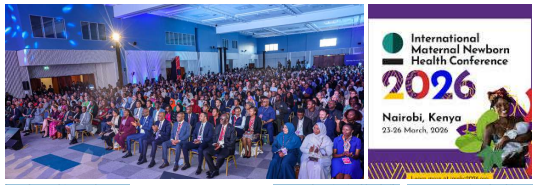
Global leaders meeting in Nairobi for the International Maternal Newborn Health Conference (IMNHC) 2026 turned their attention to a critical side event focused on shaping the future of maternal, newborn and child health (MNCH) policy and financing across Africa.
The session, held at the EDGE Convention Centre, was convened by a coalition of partners including the SMART Advocacy for Strategic Action (SASA) Alliance in collaboration with SAMASHA Medical Foundation, Health NGOs Network (HENNET), Reproductive Health Network Kenya (RHNK), and several regional and international organisations.
Bringing together legislators, donors, researchers and members of the media, the dialogue examined urgent policy and financing priorities needed to accelerate progress toward global health targets. Participants explored practical pathways to strengthen maternal and newborn outcomes, with a strong emphasis on aligning investments with country-led priorities.
Despite years of progress, stakeholders acknowledged that gains remain uneven across the continent. Persistent financing gaps, weak accountability systems and shifting political priorities continue to hinder efforts to improve maternal and child health outcomes.
Regional Project Director, SASA Project, Sally Njiri, highlighted the growing strain on resources, warning that shrinking funding threatens to reverse hard-won progress. She stressed the need for more strategic use of limited resources, stronger partnerships and sustained focus on national priorities.
The event; featured insights from multiple African countries, including Kenya, Uganda, Senegal, Nigeria, Côte d’Ivoire and Ethiopia, offering a cross-country perspective on advocacy and financing challenges. Discussions centred on innovative approaches to domestic resource mobilisation, improved budget accountability and policy reforms aimed at strengthening health systems.
Also, acting Regional Director and Programme Manager at PPD ARO, Patrick Mugirwa, described the advocacy ecosystem for family planning and MNCH as fragile. He pointed to frequent changes in government, competing priorities and dwindling resources as key risks, underscoring the need for sustained advocacy to protect and build on existing gains.
Speakers also stressed that increasing funding alone would not be sufficient. Regional Portfolio Director for West and Central Africa at Pathfinder International, Dr. Amina Dorayi, noted that stronger accountability mechanisms and consistent political commitment are essential to ensure that resources translate into quality healthcare services for women and children.
Organisers said the dialogue aimed to move beyond discussion by delivering clear, actionable recommendations to guide future advocacy and investment strategies. These include reinforcing country ownership, strengthening policy frameworks and ensuring that financing commitments lead to measurable improvements in maternal and newborn survival.
With the 2030 global health targets approaching, participants warned against complacency, noting that failure to act decisively could leave thousands of mothers and newborns at risk. At the same time, the meeting highlighted opportunities for progress through collaboration, innovation and sustained political will.
Stakeholders say the Nairobi discussions would serve as a reminder that maternal and newborn health must remain central to Africa’s development agenda, with the wellbeing of women and children seen as critical to the continent’s future.