Follow Us on Google
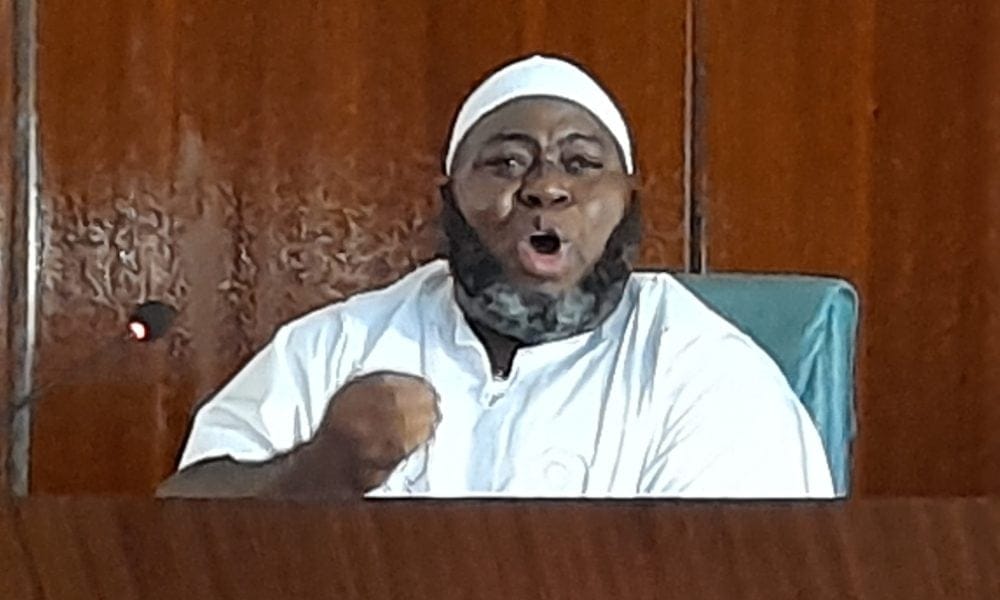
A security communication expert, Tajudeen Suleiman, has raised concerns over recent claims by former Niger Delta militant Asari Dokubo regarding pipeline surveillance contracts, saying unverified allegations could undermine efforts to maintain security and stability in the oil-producing region.
Suleiman, in an opinion article titled “Asari Dokubo’s pipeline contract claims and the stakes for Niger Delta security”, said Dokubo’s recent comments on pipeline surveillance contracts had the potential to fuel tensions around oil production, resource allocation and security in the Niger Delta.
Dokubo had, in a viral video, alleged that Osahon Idahosa and the Olu of Warri, Ogiame Atuwatse III, receive about N2.7 trillion annually from the Federal Government for pipeline protection.
According to Suleiman, Dokubo initially described the figure as a monthly payment before subsequently referring to it as an annual payment. He noted that no supporting documentation was publicly presented alongside the claim.
He said allegations involving large sums of public money should be subjected to evidence-based scrutiny through official records, verifiable documents and appropriate oversight mechanisms.
He argued that public debate over government contracts was legitimate but cautioned that unverified claims could distract from broader questions about the transparency, effectiveness and accountability of pipeline surveillance arrangements.
Suleiman also linked the controversy to the wider debate over pipeline surveillance in the Niger Delta, including the contract involving Tantita Security Services Nigeria Limited, associated with Government Ekpemupolo, popularly known as Tompolo.
He said pipeline surveillance remained important to Nigeria because much of the country’s oil infrastructure passes through difficult terrain, including creeks, mangrove forests and waterways.
According to him, specialised surveillance contractors can complement conventional security agencies by monitoring pipelines, identifying suspected breaches and providing information on crude theft, vandalism and other threats to relevant authorities.
Suleiman noted that the Nigerian National Petroleum Company Limited engaged Tantita in 2022 for pipeline surveillance, with public reports putting the value of the arrangement at about N48 billion annually.
He also pointed to community-focused initiatives undertaken by Tantita, including a rice farming programme designed to provide alternative economic opportunities to communities affected by illegal oil-related activities.
On Nigeria’s crude production, Suleiman cited data from the Nigeria Extractive Industries Transparency Initiative showing that the country lost 36.69 million barrels of crude to theft and sabotage in 2022, compared with 7.68 million barrels in 2023.
He acknowledged that several factors influence crude production and losses but argued that improved surveillance and security measures could contribute to better outcomes.
He also cited data from the Nigerian Upstream Petroleum Regulatory Commission showing crude and condensate production of 1,677,777 barrels per day in August 2026, including 1,500,190 barrels of crude.
He said the figure was sufficient to meet Nigeria’s OPEC crude production quota of 1.5 million barrels per day for the fourth consecutive month.
Suleiman argued that the protection of oil infrastructure should be treated as a national economic priority rather than a source of competition among regions or communities.
He said questioning the cost, effectiveness and beneficiaries of government security contracts was legitimate in a democracy, but maintained that such questions should be addressed through evidence-based investigations and institutional oversight.
He further called for transparency in the award and implementation of pipeline surveillance contracts, including clarity on how much is spent, contractors’ performance obligations and whether the arrangements are producing measurable improvements in oil production and community security.
He also advocated greater environmental protection, independent oversight and meaningful community development as components of a sustainable security strategy in the Niger Delta.
According to Suleiman, public debate on the region’s security and oil industry should be conducted in a manner that encourages accountability without unnecessarily inflaming regional or communal tensions.