Follow Us on Google
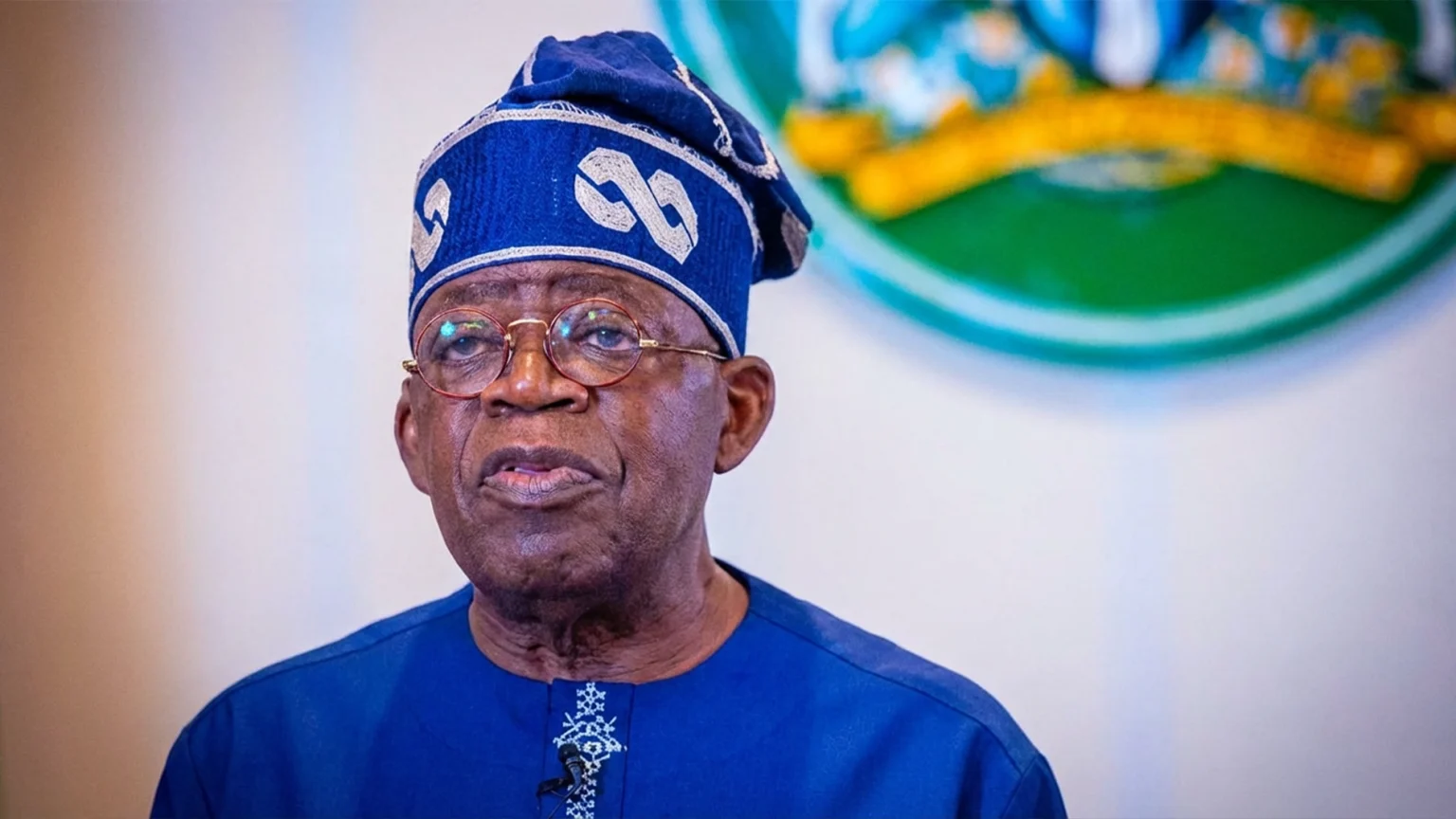
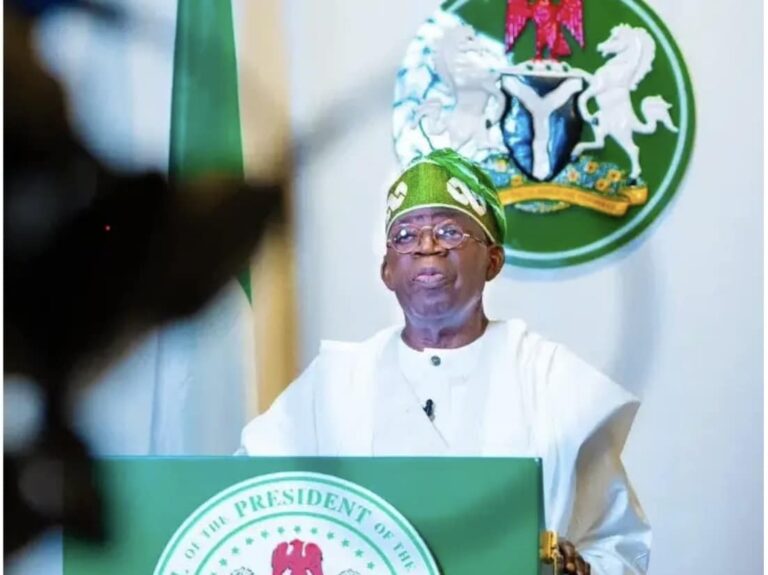
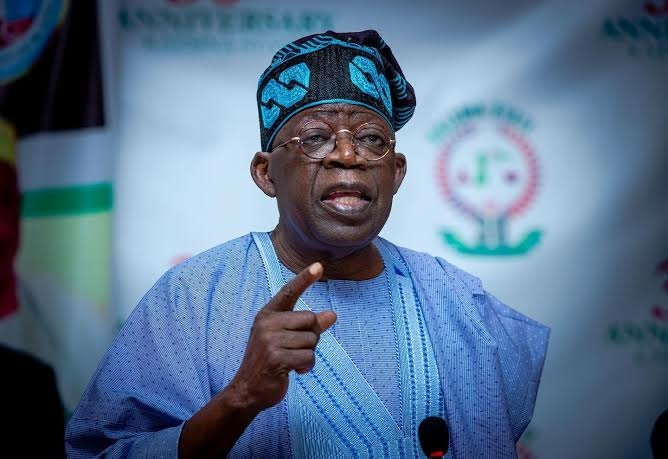
Worried by the rising challenge of child labour, President Bola Tinubu has vowed to end the menace by 2030. Consequently, the government has unveiled a new National Policy on Child Labour and National Action Plan for the Elimination of Child Labour (2026-2030) as part of efforts to eradicate child labour in Nigeria by 2030. He has also ordered states, Ministries, Department and Agencies (MDAs) to increase enforcement against child labour across the country.
He declared its elimination a national priority that should go beyond policy commitments to concrete action. The President stated this at the National Dialogue on Advancing the Implementation of Nigeria’s National Policy on Child Labour and National Action Plan towards 2030. The President who was represented by the Secretary to the Government of the Federation (SGF), George Akume, promised that the government would strengthen labour inspection, child protection and programmes addressing poverty, unemployment, poor access to education and social exclusion.
“Every nation is judged by how well it protects its children. A child who is forced into labour instead of attending school loses more than an education. That child loses opportunities, confidence, health and the chance to fully contribute to national development,” the President said. “For this reason, the Federal Government considers the elimination of child labour not merely a labour issue, but as a national development priority,” he said.
The President also called on state governments to domesticate and implement the measures. He particularly urged the Nigeria Governors’ Forum and Nigeria Governors’ Spouses Forum to champion child protection initiatives. He equally enjoined employers to keep child labour out of their supply chains and called on organised labour, development partners, traditional and religious leaders, communities, parents and guardians to support enforcement of the new policy.
Speaking also at the same event, the Minister of Labour and Employment, Dr. Muhammad Maigari Dingyadi, said that the reviewed policy and action plan would provide a comprehensive roadmap for the prevention, protection, enforcement, rehabilitation, institutional coordination and accountability in the fight against child labour. The minister also pointed out that the initiative was part of Nigeria’s agenda to translate its international commitments into concrete national action following the country’s participation in the 6th Global Conference on the Elimination of Child Labour in Marrakech, Morocco, this year.
Other News
It is good that government sees child labour as a major obstacle to human dignity, social justice and sustainable development, which deprives children of their childhood, health, education and future. According to the minister, “the findings of Nigeria’s National Child Labour Survey remind us of the magnitude of this challenge; where millions of children continue to engage in child labour, while many more are exposed to hazardous work in agriculture, mining, domestic service, street trading, construction and other sectors.”
According to the International Labour Organisation and UNICEF 2024 global estimates, nearly 138 million children are engaged in child labour worldwide, with about 54 million working in hazardous conditions that threaten their health and safety. Although numbers have fallen from 246million in 2000, showing a total reduction of over 22 million children since 2020, the global target to eliminate child labour by 2025 was missed.
While agriculture is responsible for 61 per cent of child labour engagement, services account for 27 per cent and industry, 13 per cent. However, the sub-Saharan Africa bears the heaviest burden of child labour with around 87 million children (nearly two-third of the global total). Child labour in Africa is driven by many factors, including extreme poverty, lack of access to education, cultural norms and tradition and weak state support.
Approximately 24.67 million children (39.2 per cent of children aged 5 to 17) are engaged in child labour in Nigeria, according to the Child labour Survey by the National Bureau of Statistics (NBS) and the International Labour Organisation (ILO). Out of over 62.9 million children aged five to 17, who live in Nigeria, 50.5 per cent (31.7million) children are engaged in some form of economic activity. Also, 22.9 per cent (14.3million) of these children are involved in hazardous work that poses risks to their health and safety. Rural areas experience higher rates of child labour, with 44.8 per cent of rural children affected compared to urban regions.
Since child labour is highly driven by extreme poverty, lack of access to education, cultural norms and tradition and weak state support, we enjoin the federal, state and local governments to work in concert to address these factors. Let there be a nationwide crackdown on child labour as the President has directed. Now that the government has identified education as one of the strongest safeguards against child labour, it should intensify efforts to tackle the out-of-school children challenge. About 20 million Nigerian children are said to be out of school.