Follow Us on Google
…IMF harps on bridging Africa’s infrastructure gap
From Uche Usim, Washington DC
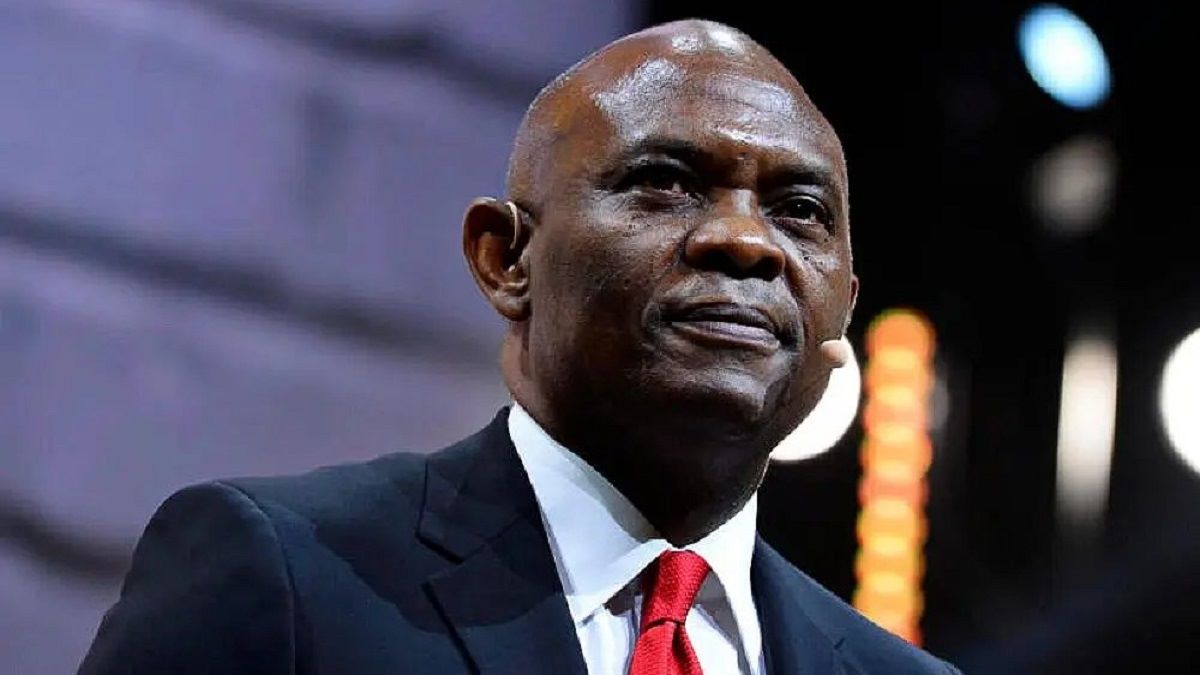
Chairman of Heirs Holdings, Mr Tony Elumelu, has urged African governments, development partners and financial institutions to harness the power of digital technologies, particularly AI, to create opportunities for all citizens.
He warned that without inclusive growth, the continent risks leaving its youth and potential untapped. This comes as the Managing Director of the International Monetary Fund (IMF), Kristalina Georgieva, stressed the urgent need to bridge Africa’s infrastructure and energy gaps to ensure the region benefits fully from the digital revolution.
Elumelu, who spoke at a high-profile panel on “Boosting Productivity Growth in the Digital Age,” said the time has come to democratise prosperity across the continent.
He said: “Productivity isn’t just about outputs per worker. It’s an opportunity per person.
“In Africa, we’ve seen both the challenges and prospects. Digital technologies are helping transform healthcare, electricity and other critical sectors. But we still face an electricity deficit and a capital squeeze that we must address if we are to truly tackle these challenges.”
Elumelu, whose foundation supports young entrepreneurs across Africa, stressed the need to mobilise youth energy.
“The youth are very energetic. If we don’t create opportunities for them, it won’t help the continent. We innovated mobile money; now we must ensure AI works for all, not just a privileged few.
Other News
He noted that over 50 per cent of Africans lack access to electricity, yet the majority of our population is under 30 and eager to develop.
“We need massive capital, about $40 million annually, to address inefficiency, build trust, and ensure digital inclusion is recognised as economic inclusion.”
He called for collaborative partnerships that empower governments without putting them under undue pressure. “Governments should create an enabling environment to ensure that mobilised capital works,” he added.
Also speaking at the session, IMF Managing Director, Kristalina Georgieva, highlighted the urgency for developing nations to tackle infrastructure gaps and energy poverty to ensure global convergence rather than divergence.
“Where is your country, and how can we help you? AI is a game-changer. Sixty percent of jobs in advanced countries will be impacted in the next few years, 40 per cent in emerging economies and 26 per cent in low-income nations. It’s a tsunami hitting the labour market, and we are not fully prepared. We have more discussions than actions. But humanity is creative, we will figure it out. The change is here, and we must embrace it.”
In his contributions, Saudi Arabia’s Minister of Finance, Mohammed Aljadaan, focused on education as a critical pillar of adaptation.
“If you ask kids what they want to become, they’re likely to say lawyer, doctor or something similar. We must prepare the education system to make students more adaptive, ready to learn and relearn new skills as they go. SMEs are the least adopting but among the highest beneficiaries of AI. It’s time to go through the process, learn, and cooperate. We’ll bring all members together for the benefit of all.”
The panel highlighted a unifying message that Africa’s digital future requires bold investment, policy support and collaboration between governments, private sector, and international partners.