Follow Us on Google
By Goli Innocent
Nigeria’s fragile electricity supply may soon face another disruption as electricity workers have issued a 21-day nationwide strike notice to the Federal Government, citing unresolved labour grievances and what they described as worsening conditions across the power sector.
The National Union of Electricity Employees (NUEE) formally notified the Minister of Power of its intention to embark on industrial action if urgent steps are not taken to address what it called persistent violations of workers’ rights within the Nigerian Electricity Supply Industry (NESI).
In the letter, the union accused power sector operators of refusing to honour collective agreements, implement the 2025 National Minimum Wage Act and effect its consequential adjustments. It also alleged widespread anti-labour practices across generation and distribution companies.
“We have written several letters to the ministry on these issues, but there has been little or no response,” the union stated, expressing frustration over what it described as official indifference.
Among the grievances listed are non-remittance of pension deductions and Pay-As-You-Earn taxes, denial of workers’ right to unionise, intimidation of staff, and failure to improve welfare despite repeated tariff increases.
The union said in some distribution companies, pension contributions deducted from workers’ salaries have allegedly remained unpaid for years, leaving employees uncertain about their retirement security.
Other News
Electricity workers also criticised what they termed the “militarisation” of workplaces, alleging harassment and threats in certain power firms. According to the union, labour is increasingly being treated as an adversary rather than a critical stakeholder in a sector already struggling with public confidence.
The notice further questioned the performance of investors who acquired power assets during the 2013 privatisation exercise. The union argued that promises of improved infrastructure, capital injection, metering expansion and better service delivery have not translated into meaningful gains for workers or consumers.
While electricity tariffs have risen multiple times in recent years, the union said workers have seen no corresponding improvement in salaries, promotions, bonuses or working conditions.
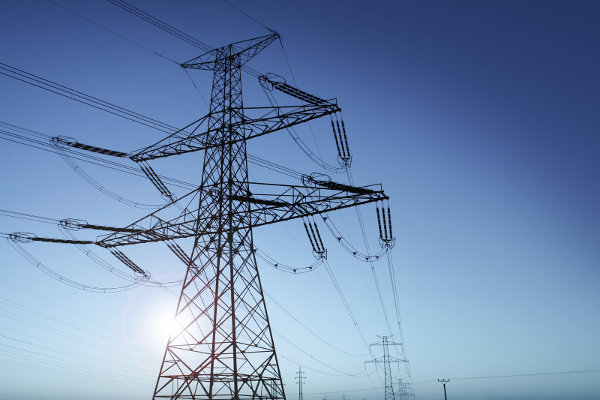
The 21-day ultimatum now places the Federal Government under pressure to act swiftly. A nationwide strike by electricity workers would significantly disrupt power generation and distribution, affecting homes, hospitals, small businesses and critical infrastructure already grappling with unreliable supply.
For many Nigerians, the mere threat of a blackout is unsettling. Businesses dependent on electricity are still battling high energy costs driven by diesel and alternative power sources. Another shutdown of the grid could further strain an economy struggling with inflation and slow growth.
As the clock ticks, attention now turns to the Ministry of Power and other relevant authorities to see whether dialogue will prevail over confrontation.
If history is any guide, the coming weeks may prove decisive for Nigeria’s already delicate power sector.