Follow Us on Google
From Uchenna Inya, Abakaliki
The Ebonyi State government has stepped up enforcement of urban safety and property regulations by demolishing an unsafe storey building in Abakaliki and enacting a law to regulate house rents, estate agent fees, and the trade in metal and electrical scraps.
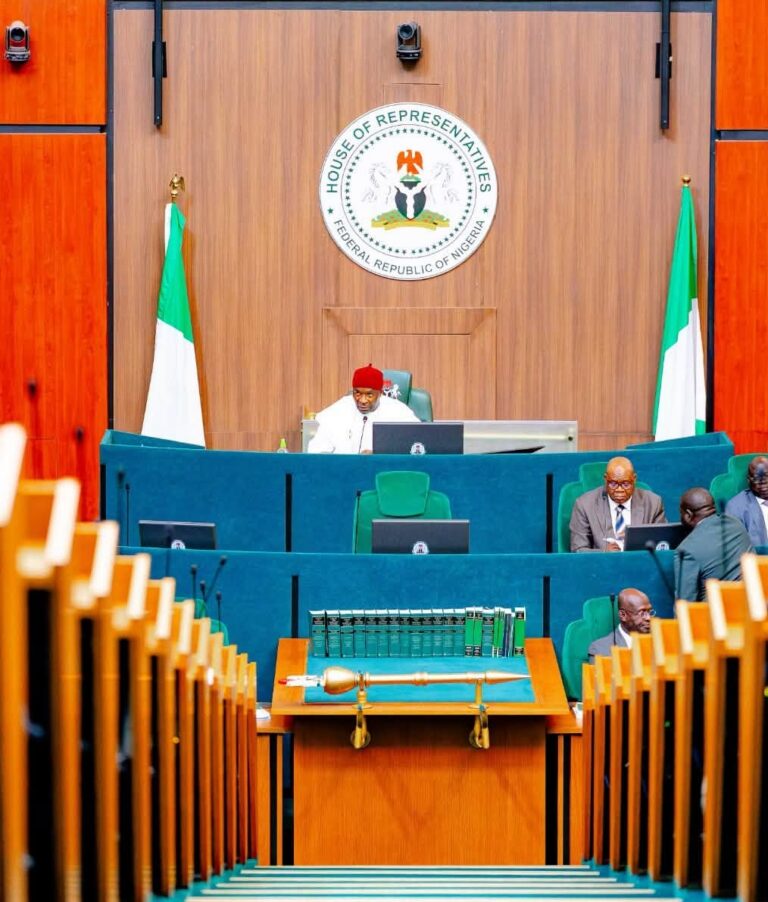
The developments came within 24 hours of each other, with the state Ministry of Capital City Development and Urban Planning demolishing the dilapidated building on Monday, August 10, while the Ebonyi State House of Assembly passed the Ebonyi State Sale of Scraps, House Rent and Agent Fees Regulation Law 2026, on Tuesday, August 11.
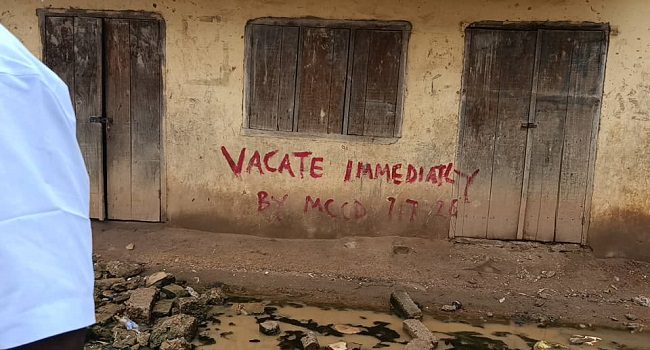
The building, located near a hotel in Abakaliki, was demolished after a ministry inspection on July 7 found it to be in a dangerous and potentially unstable condition. The ministry subsequently issued a 21-day evacuation notice to occupants to prevent possible loss of life and property in the event of a collapse.
The Commissioner for Capital City Development and Urban Planning, Richard Ugo Idike, who led the demolition, said the action followed the expiration of the evacuation notice and an agreement reached between the property owner and the ministry.
Idike said the demolition was necessary to remove the immediate danger posed by the deteriorating structure and prevent a possible tragedy. He said the state government would continue to enforce building control regulations and approved urban planning standards to protect life and property.
The commissioner urged property owners to conduct regular structural assessments, identify defects early and undertake repairs before unsafe conditions escalate.
He said the ministry would also intensify monitoring and enforcement across Abakaliki, particularly against unsafe buildings and structures erected in violation of approved planning regulations.
The assembly’s new legislation complements the enforcement drive by introducing regulations aimed at protecting residents from excessive rents and agent fees while addressing the activities of scrap dealers.
The law, which took effect from August 11, regulates the sale, possession, transportation, and disposal of metal and electrical scraps, as well as house rents and estate agency charges.
Other News
It prohibits the buying, selling, possession for sale, transportation or disposal of metal or electrical scraps except by licenced dealers operating under regulations made pursuant to the law. Violators face imprisonment of up to two years or a fine of not more than N500,000.
The legislation also prohibits landlords from obtaining possession of accommodation through fraud, misrepresentation, or concealment of material facts, with offenders liable to up to two years’ imprisonment.
It limits estate agents’ fees to not more than two percent of the gross value of a transaction and requires estate agents operating in the capital city to register with the Ministry of Capital City Development.
The law further provides that landlords must charge the standard rent prescribed by the governor for the relevant category of accommodation and prohibits the collection of rent above the prescribed amount.
Presenting the bill, the House Leader, Kingsley Ogbonna Ikoro, said it was designed to curb vandalism of public and private property, environmental degradation, and exploitative practices in the housing sector.
Contributing to the debate, Victor Nwoke, representing Abakaliki North; Nwodo Aloysius Nwodo, representing Ebonyi North West; and Celestine Ogba, representing Onicha East, described the legislation as timely, saying it would help tackle scrap theft and arbitrary rent increases.
The Speaker, Moses Ije Odunwa, said the activities of scrap dealers had caused damage to property and threatened public safety, adding that the new law would help restore order to the scrap and property sectors.
The bill was considered clause by clause by the Committee of the Whole, with members correcting errors before unanimously passing it.
The demolition and legislation mark separate enforcement measures by the state against physical structures and practices considered harmful to public safety and residents’ welfare.