Follow Us on Google


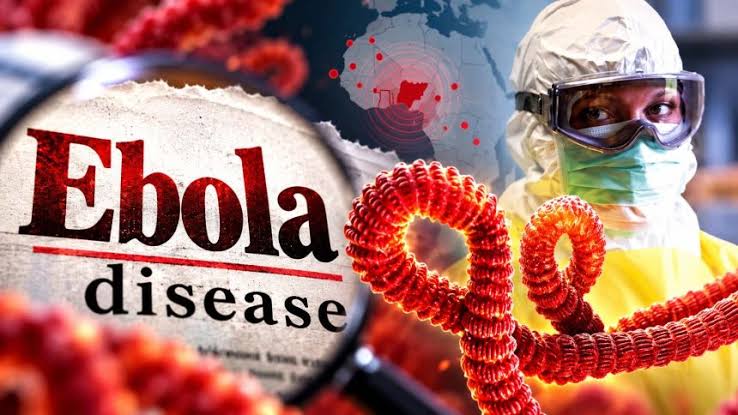
The Coordinating Minister of Health and Social Welfare, Ali Pate, has said genomic analysis shows that the Ebola virus detected in Nigeria is closely related to the strain identified in Kenya.
Pate disclosed this on Friday during a press briefing on Ebola in Abuja, noting that there was no evidence of a travel link between Nigeria’s case and Kenya’s index case, despite the genetic similarity between the viruses.
“We have had additional information on the isolated case from the imported virus,” the minister said.
He said analysis was conducted using laboratory at the Centre for Disease Control and laboratories of Professor Christian Happi at the Redeemer’s University in Ede, Osun state.
“That case appears to be closely related to the case identified in the index case in Kenya,” he added.
“That is all that we can say at this stage based on the genomic analysis. There is no evidence of travel of that index case in Kenya that links it to Nigeria, but the viruses are appearing to be related.
Other News
“That may or may not change our understanding of the route of transmission, given that the virus itself takes time to change. But this is important new information that we have promised to inform, and we are doing so accordingly.”
The Director-General of the Nigeria Centre for Disease Control and Prevention (NCDC), Jide Idris, has said that preventing Ebola requires collective efforts from both the government and the public.
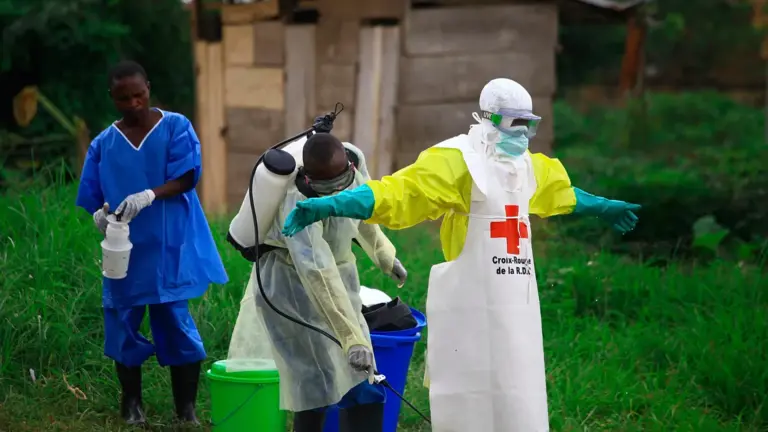
Idris said controlling the disease requires adherence to simple but essential public health measures, including environmental and personal hygiene and regular handwashing.
He said the 2014 Ebola outbreak had underscored the importance of sustained public awareness and compliance with preventive measures.
“As we did say in this kind of situation, it’s a joint responsibility of the government, and there are things they expect you to do based on the way this virus is transmitted. They are simple things. It’s a contact issue,” Idris said.
“So, we need to address the issue of environmental control, personal hygiene, and washing, all those that we did in 2020 before, and in 2014.”