Follow Us on Google

From Ndubuisi Orji, Abuja
The House of Representatives has called for stronger disease surveillance, improved screening at the nation’s entry points and sustained emergency preparedness to prevent and contain future outbreaks of Ebola Virus Disease (EVD), warning that the absence of widespread infections must not create a false sense of security.
The House said Nigeria must strengthen its public health institutions, improve coordination among relevant government agencies and sustain preventive measures against infectious diseases, stressing that national security could no longer be separated from public health security.
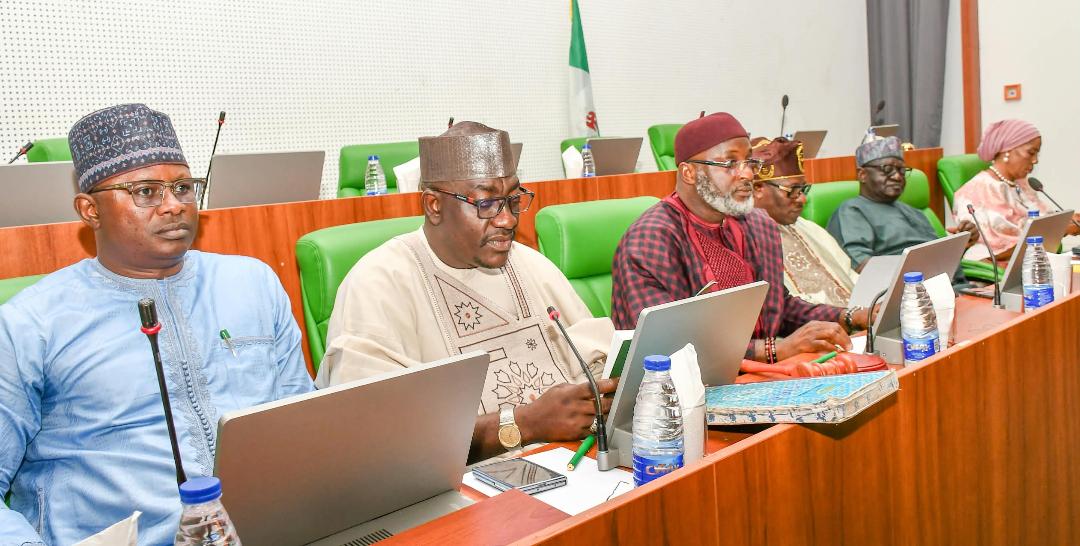
Speaker of the House of Representatives, Abbas Tajudeen, stated this at a one-day public hearing organised by the House Joint Committee on Infectious Diseases, Health Services, Aviation and Interior to examine the country’s response to the recent Ebola incident and assess measures put in place to prevent further transmission.
Abbas, who was represented by Billy Osawaru, commended the Federal Government for its response to the development but warned that the measures already taken must not lead to complacency, particularly given the ease with which infectious diseases could spread across international borders.
According to him, the recent outbreak of Ebola in parts of Africa and the confirmation of an imported case in Nigeria underscored the need for continuous vigilance, early detection and effective coordination among health authorities, security agencies and other institutions responsible for protecting the population.
“The outbreak of Ebola Virus Disease in parts of Africa and the recent confirmation of an imported case in Nigeria remind us that public health security is inseparable from national security. In an increasingly interconnected world, an outbreak that begins beyond our borders can quickly become a matter of urgent national concern. Our preparedness, therefore, must never be determined by the absence of an immediate threat,” he said.
The Speaker noted that the Federal Government, through the Federal Ministry of Health and Social Welfare, the Nigeria Centre for Disease Control and Prevention (NCDC) and other relevant institutions, had activated emergency response mechanisms, strengthened surveillance and contact tracing, and intensified measures to prevent further transmission.
He said the establishment of a Presidential Task Force and approval of emergency funding further demonstrated the importance attached to the country’s response to the public health threat.
Abbas, however, stressed that the measures should serve as a foundation for sustained preparedness rather than an excuse to relax preventive efforts, noting that Nigeria’s experience during the 2014 Ebola outbreak had shown the importance of early detection and decisive intervention.
“These measures are reassuring but must not make us complacent. The fact that the confirmed imported case has been evacuated and no onward transmission has been established should strengthen our resolve to prevent a recurrence, rather than diminish our sense of urgency.
“The experience of the 2014 Ebola outbreak demonstrated that early detection, decisive intervention and effective coordination can make the difference between containment and a national health emergency,” he stated.
The Speaker maintained that the country’s preparedness must be measured not merely by its ability to respond to an immediate outbreak but also by the strength of its surveillance systems, institutional coordination and capacity to prevent the spread of infectious diseases before they escalate into national emergencies.
Also speaking, the Controller-General of the Nigerian Correctional Service (NCoS), Sylvester Ndidi Nwakuche, expressed the service’s readiness to collaborate with relevant stakeholders to strengthen disease surveillance, infection prevention and emergency response arrangements within custodial facilities.
Other News
Nwakuche said the prevention and containment of Ebola required coordinated national action, particularly in institutions where large numbers of people lived or worked within confined environments.
He explained that the Correctional Service recognised its responsibility to protect the health and welfare of inmates and personnel while ensuring that custodial facilities did not become centres for the transmission of infectious diseases to the wider community.
“The Nigerian Correctional Service recognises that the prevention and containment of Ebola Virus Disease require sustained vigilance, adequate preparedness and coordinated national action. The Service remains conscious of its responsibility to safeguard the health and welfare of persons in its custody and personnel, while also preventing the transmission of infectious diseases to the wider community,” he said.
The Controller-General disclosed that the service was committed to strengthening disease surveillance, infection prevention and control, emergency response arrangements, staff capacity and collaboration with relevant public health authorities.
He, however, stressed that effective preparedness within custodial environments required deliberate government support, adequate resources and the inclusion of the Correctional Service in national public health emergency planning.
“We are therefore committed to strengthening disease surveillance, infection prevention and control, emergency response arrangements, staff capacity and collaboration with relevant public-health authorities.
“However, effective preparedness within custodial environments requires deliberate government support, adequate resources and the inclusion of the Service in national public-health emergency planning and response programmes,” Nwakuche stated.
Chairman of the House Committee on Infectious Diseases, Amobi Ogah, said the public hearing was convened to assess the preparedness of relevant ministries, departments and agencies (MDAs) and ascertain the measures already put in place to prevent and contain any future outbreak of Ebola.
Ogah explained that the exercise would enable the National Assembly to examine existing surveillance and response mechanisms, identify possible gaps and determine areas requiring additional government intervention.
He particularly emphasised the need for effective screening and monitoring at the nation’s airports and other entry points, noting that international travel remained a major consideration in efforts to prevent the introduction and spread of infectious diseases.
“We want to know what steps have been taken, what are our projections for the future, and since the carriers of the Ebola virus usually enter a nation through the airports, we also need to know what measures are being taken in all our airports to screen persons migrating in and out of our country,” Ogah stated.
The committee chairman said the hearing would provide an opportunity for relevant agencies to explain their preparedness strategies and the steps being taken to strengthen the country’s capacity for early detection, prevention and containment of infectious diseases.
The lawmakers stressed the importance of sustained inter-agency collaboration, effective surveillance and adequate preparedness to protect Nigerians against future public health emergencies.