Follow Us on Google

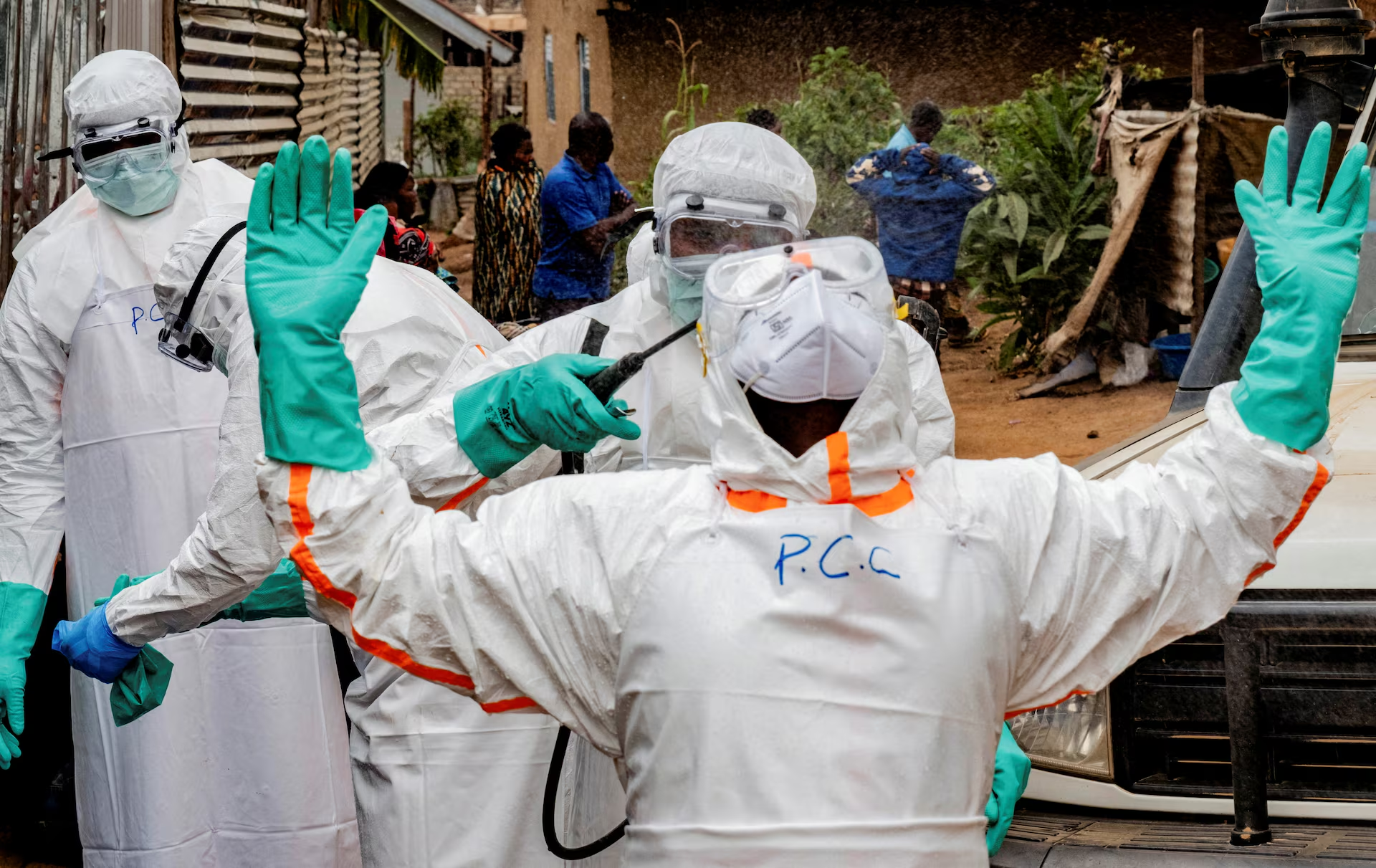
The Africa Centres for Disease Control and Prevention (Africa CDC) has warned that the Ebola outbreak affecting parts of the continent remains uncontrolled, with more than 10,200 confirmed cases and over 5,000 deaths recorded.
The Director-General of Africa CDC, Jean Kaseya, gave the assessment during an interview on Channels Television’s Morning Brief programme on Friday.
He said the commission reached the conclusion after reviewing the latest epidemiological data at a virtual ministerial meeting held on October 28.
The meeting brought together more than 42 ministers and over 600 participants, including representatives of international organisations and development partners, to assess the spread of the disease and ongoing response efforts.
“We analysed the data and we saw that the outbreak is not yet under control,” Kaseya said.
He disclosed that the continent had recorded more than 10,200 confirmed infections, while fatalities had exceeded 5,000.
“We have achieved what is a number of 10,000 people confirmed cases in DRC and also, if we put together, it’s more than 10,200 confirmed cases across the continent,” he said.
“We also saw that we have more than 5,000 people already passed on due to this outbreak.”
Kaseya also raised concerns about changes in the geographical spread of the disease, noting that the outbreak’s epicentre was shifting.
The current outbreak is caused by the Bundibugyo strain of the Ebola virus and has affected several African countries, including the Democratic Republic of the Congo (DRC), Kenya and Nigeria.
The DRC remains the worst-affected country. Data from the European Centre for Disease Prevention and Control showed that it had recorded 10,193 confirmed cases and 4,960 deaths as of October 28.
Kenya has also reported nine confirmed cases, including two deaths, following an imported infection linked to the DRC.
Nigeria confirmed its first Ebola case in more than a decade on October 20, after a 42-year-old Swiss woman tested positive for the Bundibugyo strain in Abuja.
The woman had travelled from Uganda to Nigeria and was isolated and treated by Nigerian health workers. She was later evacuated to Switzerland for further treatment on October 26 after her condition stabilised. Her husband, identified as a close contact, was also evacuated.
Following their evacuation, the World Health Organisation’s Regional Director for Africa, Mohamed Janabi, said Nigeria had no confirmed Ebola cases.
However, the WHO clarified that the development did not mean Nigeria had been declared Ebola-free. It said health authorities were still monitoring people who had contact with the patient and that the country must complete the required 42-day period before such a declaration could be made.
In its situation report dated October 29, the Nigeria Centre for Disease Control (NCDC) said 62 contacts linked to the index case had been identified and were under monitoring.
The agency added that no new contacts or symptomatic contacts had been identified in the preceding 24 hours.