Follow Us on Google

From Fred Ezeh, Abuja
The Nigeria Centre for Disease Control and Prevention (NCDC) has warned Nigerians against complacency in the fight against Ebola and other infectious diseases as the country marks 21 days since the confirmation of its first Ebola case.
The agency said sustained vigilance, early detection, prompt reporting of suspected infections and stronger disease surveillance remained critical to preventing further transmission, particularly as the approaching festive season is expected to witness increased travel, social gatherings and movement across communities.
Director-General of NCDC, Dr. Jide Idris, who gave the warning while providing an update on the country’s public health security situation, said the threat of infectious diseases extended beyond Ebola, with health authorities simultaneously responding to outbreaks of Lassa fever, dengue fever, chikungunya, diphtheria and cerebrospinal meningitis.
He urged Nigerians not to interpret the passage of 21 days since the first confirmed Ebola case as a reason to relax preventive measures, stressing that public cooperation and sustained preparedness were essential to containing outbreaks and protecting communities.
Idris advised citizens to seek medical attention promptly whenever they experience symptoms of illness, avoid exposure to mosquito and rodent bites, ensure that children receive recommended vaccinations and cooperate with public health officials carrying out surveillance and response activities.
He also warned against the circulation of unverified information about disease outbreaks, urging Nigerians to obtain updates and health guidance from credible public health authorities rather than relying on rumours and misleading social media reports.
According to him, effective disease prevention and outbreak management require coordinated action by federal and state authorities, healthcare institutions, communities and individuals, with particular emphasis on early identification of suspected cases and rapid intervention.
Other News
The NCDC boss consequently charged state governments to strengthen disease surveillance systems, improve laboratory diagnostic capacity, ensure the readiness of treatment facilities and intensify community engagement to reduce the risk of widespread transmission.
He said frontline health workers must be adequately equipped, funded and supported to respond effectively to emerging public health threats, adding that preparedness at state and community levels remained indispensable to national health security.
Idris also directed attention to the responsibilities of public and private healthcare facilities, urging them to promptly notify relevant authorities of suspected infectious disease cases and maintain appropriate infection prevention and control measures to protect patients and medical personnel.
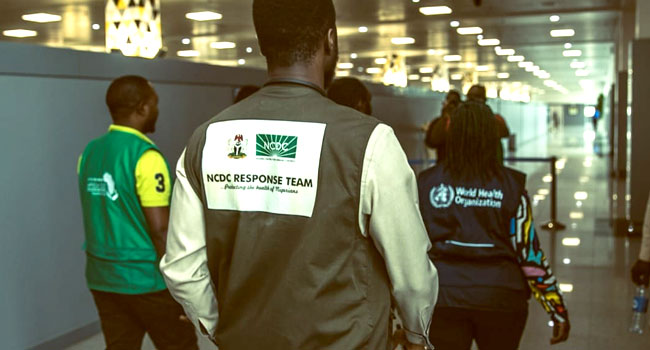
He stressed that delays in detecting and reporting suspected infections could complicate containment efforts, making it necessary for healthcare providers and communities to cooperate closely with disease surveillance and emergency response teams.
With the festive season approaching, the agency urged Nigerians to celebrate responsibly, remain conscious of potential health risks and adhere to recommended preventive measures, particularly during travel and large gatherings.
The NCDC reiterated that protecting the country against infectious diseases could not be left to government institutions alone, as individuals, families, healthcare providers, community leaders and other stakeholders all had important roles to play in preventing outbreaks.
“Public health security remains a shared responsibility,” the agency stressed.