Follow Us on Google
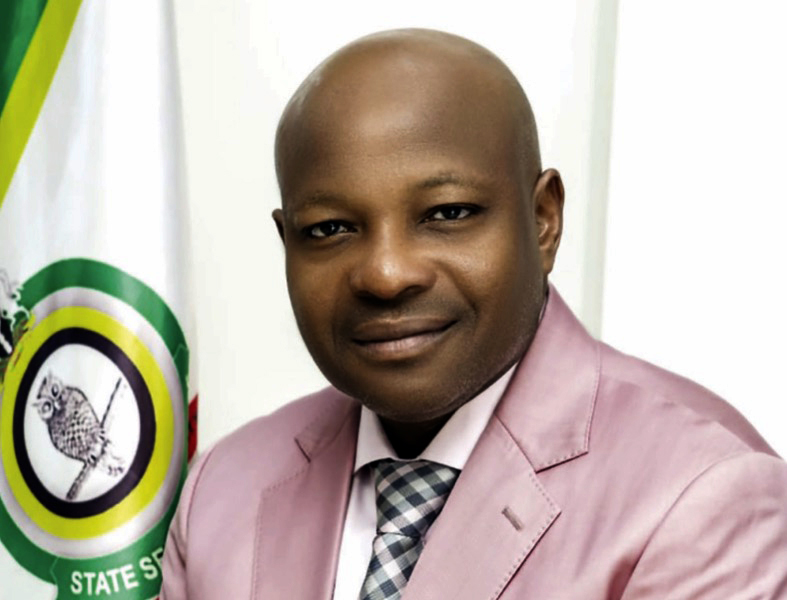
The Director-General of the Department of State Services (DSS), Oluwatosin Ajayi, said he has directed operatives not to arrest anyone over civil matters.
Ajayi disclosed this in a media interview published Thursday.
According to him, the directive was part of efforts to improve adherence to the rule of law and human rights record within the department.
Since assuming office, Ajayi said, he has implemented reforms in five broad categories namely “law enforcement, synergy, accountability in what we do as a Service, respect for Human Rights, and infrastructural/administrative reforms to enhance operational efficiency”.
He said the DSS under his leadership has visibly separated civil matters from criminal matters, noting that his experience through his career path showed that the department conflated the two aspects.
Other News
Ajayi explained, “You cannot apply the use of force in civil matters. Even some criminal matters don’t require force.
“Take, for example, the attempt to establish a shadow government, i.e., the Service versus Pat Utomi. Rather than arrest him, we sought judicial interpretation. And the Court ruled that his adventure was unconstitutional, illegal, and a threat to national security.
“So it was with SERAP, which wrongly accused two (2) DSS operatives of invading their premises. They approached the court, on my approval. Throughout the process, nobody was arrested, and the court awarded over N100 million in their favour.
“The case with the owner of Sahara Reporters, Sowore, is the same. Even from day one, when he went to court, the court asked whether we objected to his bail, and we said no because we hadn’t arrested him in the first place.”
Asked if the agency now goes to court for civil matters, Ajayi said, “Yes. I have told my people that there should be no arrest in any civil case. And I’m sure you have found out that, even in cases involving journalists, we would rather approach the court because we do the same job. I call you guys our professional colleagues. The only difference is that, while you inform the public, we inform the Government. And because we inform the Government, our information is classified until we declassify it.”