Follow Us on Google
• Govt intensifies fight against abuse, trafficking
From Desmond Mgboh, Kano
Last month, former chairman, Rogo Local Government, Kano State, Yahuza Musa, was arrested in connection with the sale and administration of fantayi and pentazocine injections to members of the public without their consent. His arrest followed a complaint lodged on behalf of a 63-year-old woman whom he had injected with pentazocine without her knowledge. He was charged under Section 249 of the Kano State Penal Code and remanded in custody by the Kano State Multi-Agency Task Force on Drug Abuse and Illicit Trafficking.
The same month, another high-profile case was reported. Residents of Bajallabe, around FGC Gate 1, woke up to find a Golf vehicle allegedly loaded with illicit drugs parked near a residential building. The suspect was apprehended and handed over to the police despite an attempted bribe of N10 million, which was rejected by the community.
Cases of drug abuse and trafficking are a daily occurrence in the city. They affect males, females, young and old. At night, when the streets are calm, the drug trade comes alive in many quarters. Even during the day, the illicit trade continues despite the efforts of law enforcement agencies.
Although there are signs of decline compared to previous rankings, available statistics still describe the prevalence of drug abuse as high. A recent report claims that Kano State has the highest drug use rate in North West, with a 16.0 per cent prevalence rate. Similarly, the task force recently indicated that over 70 per cent of major crimes committed last year were linked to drug abuse.
Against this background, government declared a public health emergency and inaugurated the task force on drug abuse.
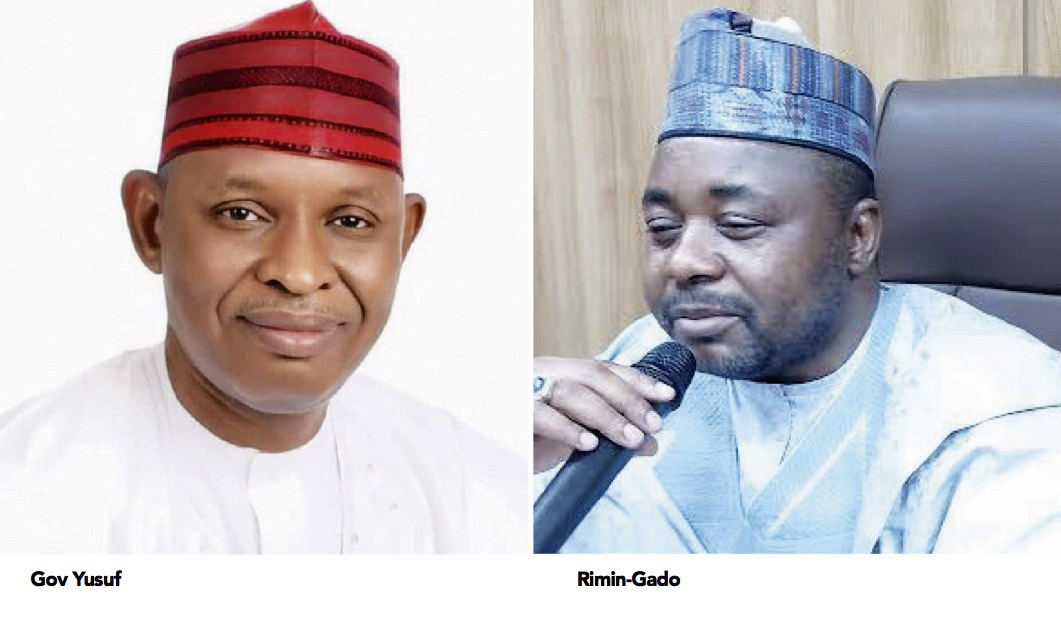
Governor Abba Yusuf said the task force was part of his administration’s renewed commitment to combating the growing menace of substance abuse and drug-related crimes.
He described drug abuse as one of the greatest threats facing the future of young people and reiterated his administration’s determination to deploy all available resources to tackle the challenge through enforcement, prevention and community participation.
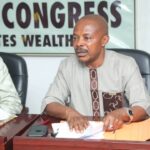
Chaired by Muhuyi Rimingado, immediate past chairman, Kano State Public Complaints and Anti-Corruption Commission, the task force has Ibrahim Muhammad, Executive Secretary, Consumer Protection Council, as its Secretary. The task force is expected to strengthen intelligence gathering and information sharing among security agencies, identify and dismantle drug trafficking networks, establish secure communication channels for intelligence operation and encourage community participation through confidential reporting mechanisms
It will also develop mechanisms to ensure speedy prosecution of suspects through improved evidence gathering, standardised forensic procedures and collaboration with the judiciary for the establishment of fast-track courts to handle drug-related cases.
On advocacy, it is expected to lead public awareness campaigns targeting students, youths, and vulnerable groups, organize community engagement programs, collaborate with religious and traditional institutions and promote rehabilitation and support services for persons affected by substance abuse.
Rimingado explained: “We have a dual mandate: one is to suppress the Daba gangs, (thuggery) and the other is to fight illicit drug trafficking and abuse in the state.” He said that since operations began a few months ago, they have recorded about 71 arrests and four convictions.
Not all those arrested were sent to correctional centres, as some of the youths were regarded as victims even though they violated state laws, he added: “What we do is, if we arrest them, we test them. If we find one with only one substance, we counsel him and hand him over to his ward head or parents.
“We allow him to go home but to come back to report to us within one month so we can test him again to see if there is any improvement. We do that also because we don’t want to congest our rehabilitation and correctional centres.
Other News
- Why we should be proud of MAAUN: an institution transforming Kano through education and development
- Kano Tiga Dam expansion designed to support 10 megawatts of hydropower generation, open irrigation sectors – Project coordinator
- INEC debunks fake announcement on governorship candidates in Zamfara, five other states
“However, if you are abusing more than one substance, then we certainly take you to court. What the court usually does is convict and remand them in the Kiru Reformatory Institute instead of sending them to prison. At the Kiru Remand Facility at the moment, I have more than 41 inmates serving their terms in that institute. The government is paying for them.
“There is also another category: the gang leaders. We take them to court and the courts sentence them because they are too dangerous to be in a remand facility. There is also a fourth category: the dealers. They are very wicked. Under this group, we have two categories. There are the big dealers who are destroying our society to get richer because they are already rich.
“Then there is the sub-category made up of young boys and girls who have perhaps been brainwashed and are taking advantage of their unemployment, and perhaps their own naivety to engage in these unholy activities.
“I know you will want to ask what we intend to do with them. I know that after their imprisonment, they will definitely return to society. What we are doing now is to activate all our centres. We have a common facility centre at Sharada where they deal with leather, and is owned by the state government.
“We have other garment centres that are working in Kura, Madobi, Dambatta, Gwarzo, Gezawa, Minjibir, Warawa, Dawakin Tofa, and Dawakin Kudu. We are aiming to take 10,000 youths off the street within one year. We are not taking them to prison and rehabilitation centres alone.
“Rather, they will undergo detoxification, and this detoxification is a very serious process. If we starve them of drugs and verify them using all medical procedures, then we take them to rehabilitation centres where they will be exposed to career guidance.
“And after career guidance, we will expose them to the necessary knowledge they need to denounce drug abuse and possibly trafficking. And why do I mention prison? We are going to work with inmates who have been sent to correctional centres so they are also exposed to detoxification, rehabilitation, and reintegration.
“We will employ a mechanism that will give them relevant training skills, and we are entering into an MoU with stakeholders in different areas of craftsmanship to engage these youths so they will be productive. We will get them to take up one of the varieties of trades we are engaging in. Some may go into garment making, others into leather, brick-making, or electrical work.
“For now, this is the scope, but as time goes on, the scope will be increased to include GSM repairs and others. Our ambition is that between now and one year, these 10,000 youths will have one or two skills to sell that will keep them busy, sustain them, give them income, and make them productive members of society.
“We are not just going to buy equipment and give it to them, because evidence shows that most of this start-up equipment is being sold. When they come out, we are going to secure a place within their vicinity and provide the necessary equipment and capital to support them.
“We are not doing it alone as government; we are involving the business community. We will cluster them together, register a company with the Corporate Affairs Commission and they will be busy.”
He expressed optimism that given the market size of the state, these registered clusters would grow into successful businesses capable of sustaining their owners. Overall, he said public reaction has been tremendously positive since they came on board:
“The people of the state have started to own the fight against drug abuse in the state. They are not only fighting abuse, but also trafficking itself. People can now make arrests and call the authorities to come and take over. This is what we have been yearning for.”