Follow Us on Google

From Lateef Dada, Osogbo
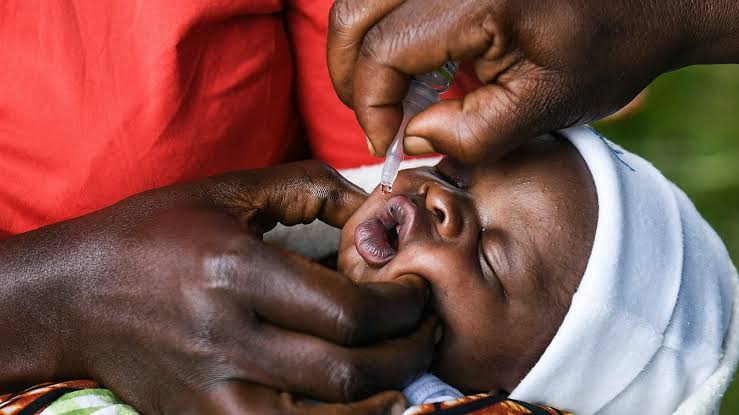
President of the LivingScience Foundation, Joshua Ojo, has questioned the continued administration of oral polio vaccines (OPV) to children in Nigeria, calling for a review of vaccination practices and stronger oversight of public health institutions.
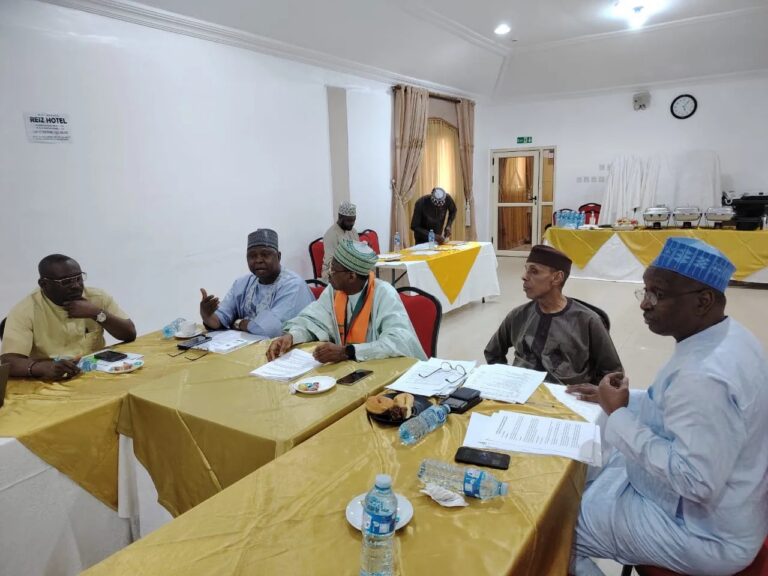
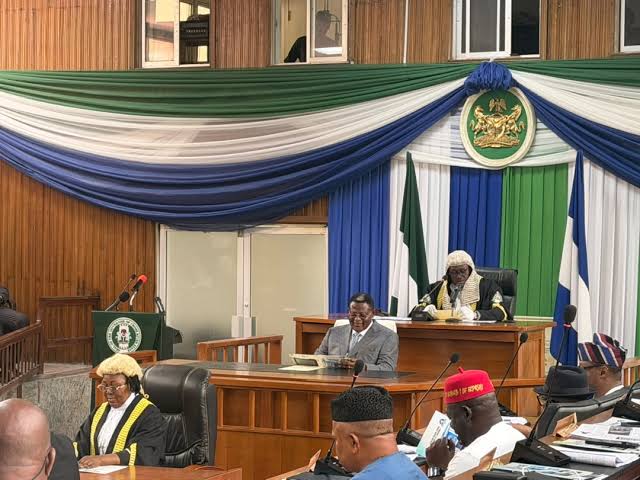
Ojo, a professor of health physics and environment at Obafemi Awolowo University (OAU), raised the concerns on Wednesday during the 11th National Conference on Environment and Health, held at Osun State University, Osogbo.
The conference, themed “Safe Foods, Healthy Nation: Safeguarding Food Systems in Nigeria from Farm to Work,” brought together environmental and health professionals, regulatory agencies and civil society organisations.
Ojo alleged that the continued use of oral polio vaccines exposed weaknesses in Nigeria’s health regulatory system, claiming that the practice was inconsistent with international health recommendations.
“It is unfortunate that we are still administering Oral Polio Vaccines to millions of Nigerian children. This is outrageous and unacceptable. It is like giving a weakened virus to the children,” he said.
“If you give people OPV, it is guaranteed that you will have Vaccine-Derived Polio. The World Health Assembly proscribed this, our country agreed, yet they still do it. All these happen because our agencies are captured.”
His claims about an international prohibition and the inevitability of vaccine-derived polio were not substantiated in the conference account.
Oral polio vaccines remain an established tool in polio control, although the weakened vaccine virus can, in rare circumstances, give rise to circulating vaccine-derived poliovirus in under-immunised populations. This does not mean that every administration of OPV produces vaccine-derived polio.
Other News
Ojo also raised concerns about mercury in vaccines, alleging that health authorities had failed to address what he described as unacceptable practices.
He attributed the problems to regulatory weaknesses and called for a restructuring of public health oversight institutions.
Turning to environmental sanitation, the professor argued that preventive healthcare should receive greater attention, particularly through improved hygiene, safe food systems and cleaner living conditions.
“I am amazed that environmental health officials are not doing their job. The major determinant of disease is sanitation, and reports worldwide show that better sanitation improves health, yet people prefer vaccines. Vaccines have their place, but preventing diseases in the first place is primary prevention,” he said.
He maintained that strengthening environmental health services would reduce exposure to preventable diseases and improve public health outcomes.
Addressing concerns about Ebola, Ojo urged Nigerians to remain vigilant without resorting to panic.
“Ebola is a very serious issue. As much as we need to be serious, we should not panic. What we need to do is educate the public appropriately, because panic can be part of the problem,” he said.
He emphasised the importance of public education on how the disease spreads and the measures required to prevent infection.
Ojo also advocated increased funding and restructuring of the National Agency for Food and Drug Administration and Control (NAFDAC), saying stronger regulatory capacity was necessary to safeguard public health.