Follow Us on Google
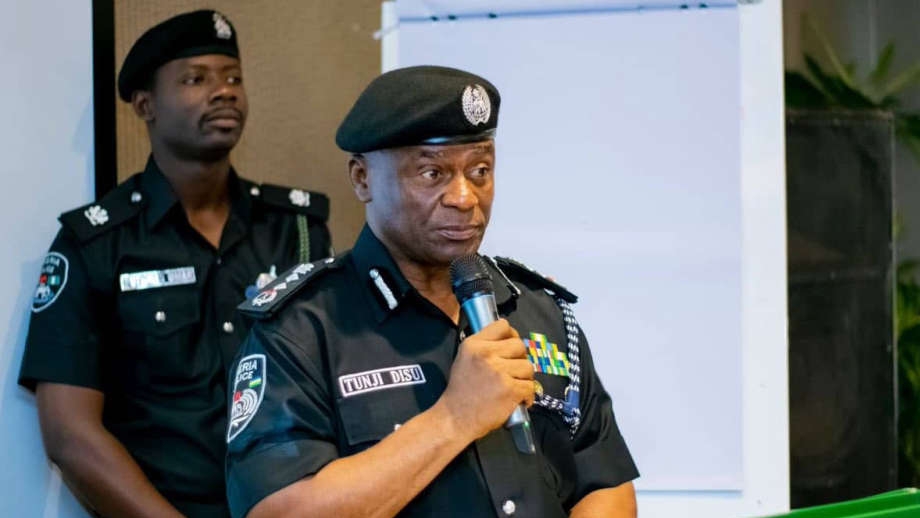
The Inspector-General of Police, IGP Olatunji Disu, has called for a stronger partnership among the Nigeria Police Force, the media and the public to effectively tackle the growing security challenges confronting the country.
Disu made the call at the 40th anniversary celebration of Vanguard Newspapers and the presentation/launch of Vanguard Chronology: Leading Tabloid, held with the theme, “Fighting Insecurity in Nigeria: The Need for Media Collaboration.”
The IGP, who was a special guest at the event, said the invitation was significant as it brought together two institutions—the security establishment and the media—which, although with different responsibilities, play complementary roles in shaping the nation’s story.
He said while security agencies were primarily responsible for protecting lives and property, the media had the responsibility of informing citizens, interrogating public institutions and helping society understand events that shape the country.
Disu, who congratulated Vanguard Media Limited on its 40th anniversary, also paid tribute to its founder and publisher, Mr Sam Amuka, describing him as one of the defining figures in Nigerian journalism.
He said: “Nigeria’s security challenges are complex, dynamic and increasingly interconnected. Kidnapping, terrorism, banditry, communal violence, violent extremism, organised crime, cybercrime, attacks on critical infrastructure and other forms of criminality continue to challenge our collective capacity to guarantee the safety and security of our citizens.
“As Inspector-General of Police, I am acutely conscious that the Nigeria Police Force carries a significant responsibility in this regard. But I am equally conscious that the Police cannot defeat insecurity alone.
“Security is not exclusively a law-enforcement responsibility. It is a collective national responsibility requiring the coordinated efforts of government, the security and intelligence community, traditional institutions, religious leaders, communities, civil society, the private sector and, importantly, the media.”
The IGP said the media had become an important participant in the national security ecosystem, stressing that its relationship with the Police must move beyond the traditional source-and-reporter arrangement.
According to him, the relationship should be built on partnership, professional independence, mutual respect and a shared commitment to the public interest.
He said the media possessed enormous reach and influence which, if responsibly deployed, could assist security agencies in disseminating verified security information, providing early warning of emerging threats, educating citizens on security precautions, countering rumours and misinformation, encouraging peaceful coexistence and building public confidence in legitimate security institutions.
Disu, however, stressed that collaboration should not mean turning the media into an extension of the security agencies.
“Our expectation is not for the media to become an extension of the security agencies. Rather, our expectation is for the media to remain independent while exercising that independence with a strong consciousness of the potential security consequences of what is published or broadcast,” he said.
Misinformation, disinformation security threats
The IGP identified misinformation and disinformation as emerging threats to national security, warning that the speed at which false information spreads could trigger panic, communal tensions and retaliatory attacks.
He said a false report of an attack, fabricated claim about the death or abduction of a person, or misleading video could provoke reactions before the facts were established.
“This is why misinformation is no longer simply a media problem. It is a security problem. But the answer cannot be censorship. The answer is credible information, responsible journalism, media literacy and rapid official communication,” Disu said.
He said the Police must also take responsibility by communicating quickly, accurately and transparently whenever security incidents occur.
According to him, delays in providing credible official information could create an information vacuum that would eventually be filled by speculation, rumours and falsehood.
The IGP disclosed that the Nigeria Police Force was strengthening its strategic communication and public information mechanisms to ensure that members of the public could quickly access accurate information from trusted sources.
Disu urges responsible reporting
The Police boss also urged journalists to exercise professional judgment when reporting ongoing security operations, stressing that while the media must tell the truth, it should avoid inadvertently exposing security personnel, victims or operations to danger.
He particularly warned against the premature publication of sensitive details concerning the movement of security personnel, operational tactics, rescue efforts, the identities or locations of vulnerable victims and sensitive intelligence.
“This does not mean that security agencies should seek to suppress legitimate journalism. Rather, it calls for professional judgement, responsible timing and constructive engagement,” he said.
Other News
Disu stressed that security agencies must also be accountable, saying the Police could not demand cooperation from the media while refusing to provide information or respond to legitimate enquiries.
“We must provide accurate information. We must respond to legitimate enquiries. We must correct misinformation promptly. We must avoid unnecessary secrecy. We must respect the rights of journalists to perform their lawful professional duties,” he said.
He added that any police personnel found to have acted improperly towards journalists should face appropriate disciplinary and legal measures.
Seeks media role in early warning
The IGP said closer collaboration with journalists could also strengthen the country’s early-warning mechanism, noting that reporters often have direct access to communities and are among the first to hear of emerging tensions.
He said journalists interact with traditional rulers, religious leaders, community leaders, civil society organisations and ordinary citizens, giving them access to valuable information about emerging security threats.
“We need to build mechanisms through which such information can be responsibly shared with the appropriate authorities without compromising journalistic independence or the safety of journalists and their sources,” he said.
Disu urged the Police to strengthen relationships with media organisations at the national, state and community levels to enable credible community information to be transformed into early warning and, where appropriate, early response.
Human side of insecurity
The IGP also called for greater media attention to the human cost of insecurity, saying behind every security statistic was a human being and behind every kidnapping figure was a family.
He urged journalists to go beyond reporting violence by highlighting stories of resilience, recovery, rescue and rebuilding.
“When the media highlights communities that have successfully resisted recruitment into criminality, traditional leaders who have prevented violence, young people who have chosen peaceful livelihoods, and security personnel who have risked their lives to protect others, it helps build a national culture that rejects violence,” he said.
Proposes structured Police-media partnership
Disu proposed a structured framework for sustained collaboration between the Police and the media.
He suggested regular security briefings between police leadership and senior media editors; specialised training for journalists covering terrorism, conflict and organised crime; stronger mechanisms for rapid verification of security-related information; dedicated channels for correcting false or misleading reports; and greater engagement between Police Community Relations Committees and local media organisations.
Other areas, he said, should include joint public safety campaigns on kidnapping prevention, trafficking, cybercrime, domestic violence and other crimes affecting vulnerable groups, as well as continued dialogue on the safety and protection of journalists working in conflict-affected areas.
The IGP said Vanguard, given its history, reach and institutional experience, could play a leading role in championing the initiative.
He said the fight against insecurity could not be won by the Police, Armed Forces or government alone, stressing that communities and the media also had critical roles to play.
“The security agencies have the responsibility to protect lives, enforce the law and maintain public order. Government has the responsibility to provide the resources, policies and institutional framework necessary for effective security. Communities have a responsibility to cooperate with legitimate security institutions and reject criminality.
“And the media has the responsibility to inform, educate, scrutinise and help society navigate difficult times without amplifying fear, hatred or falsehood.”
Disu assured that the Nigeria Police Force would continue to strengthen its relationship with the media, noting that effective policing required public confidence, while public confidence depended largely on credible information.
He congratulated Vanguard Media Limited on its 40-year journey and celebrated Amuka, who turned 91 on June 13, for his contribution to Nigerian journalism and national development.
He urged stakeholders to build a media-security partnership founded on truth, professionalism, mutual respect, accountability and commitment to the national interest.