Follow Us on Google
By Chinwendu Obienyi
Nigeria’s rise as one of Africa’s most vibrant fintech hubs did not happen by chance. It is the product of deliberate regulatory reforms, sustained investment in digital payments infrastructure, and an expanding community of innovators determined to solve real economic problems at scale. What is unfolding now, however, goes beyond local success stories. Under the strategic direction of the Central Bank of Nigeria (CBN), the country is positioning itself not just as a fast adopter of financial technology, but as a reference point for how emerging economies can regulate innovation without stifling it.
This ambition was clearly articulated in the CBN Fintech Report themed: “Shaping the Future of Fintech in Nigeria: Innovation, Inclusion and Integrity.” In the report, CBN Governor, Olayemi Cardoso, made a bold assertion: with the right reforms, disciplined regulation and a shared national vision, Nigeria can evolve from a fintech frontrunner into a fintech rule-setter.
At stake is more than prestige. The rapid expansion of Nigeria’s fintech ecosystem presents a strategic opportunity to deepen financial inclusion, strengthen economic resilience and entrench the country’s relevance in the global digital economy. From payments and remittances to lending, insurance and wealth management, fintech has become a critical lever for inclusive growth in a country where mobile phone penetration far exceeds access to traditional banking services.
Inclusion as core opportunity
Fintech’s most compelling promise in Nigeria lies in its capacity to close long-standing access gaps. Millions of Nigerians remain underserved or excluded from formal financial services, particularly in rural and peri-urban communities. Digital platforms offer a pathway to bridge this divide by converting widespread mobile access into meaningful financial participation.
Yet, the CBN Fintech Report is candid about the constraints that continue to limit broader inclusion. It identifies persistent barriers such as gaps in identity verification, affordability challenges, infrastructure deficits and uneven digital literacy. According to the report, addressing these issues is not optional; it is central to unlocking the next phase of inclusive financial sector growth.
Developed through extensive stakeholder consultations and backed by a nationwide ecosystem survey, the report provides a comprehensive snapshot of Nigeria’s fintech environment. It assesses current realities, highlights structural bottlenecks and outlines policy pathways to guide the sector’s evolution. More importantly, it frames Nigeria’s opportunity in global terms: the country can help shape how fintech is regulated and governed worldwide, if it strengthens collaboration between regulators and innovators, modernises infrastructure, advances policy reforms and communicates progress with clarity.
The report also underscores Nigeria’s potential leadership role beyond its borders. Strengthening the country’s influence in shaping continental standards and promoting mutual recognition frameworks could consolidate Africa’s digital economy around shared principles. Beyond the continent, Nigeria is increasingly positioned to contribute to the design of global digital finance corridors, particularly as cross-border payments, remittances and real-time settlement systems gain prominence.
These objectives, the report notes, are not merely technical. They represent an opportunity for Nigeria to enhance its international standing by demonstrating regulatory leadership in areas such as anti-money laundering (AML) enforcement, consumer protection and real-time payments infrastructure.
Cardoso: Why regulation matters
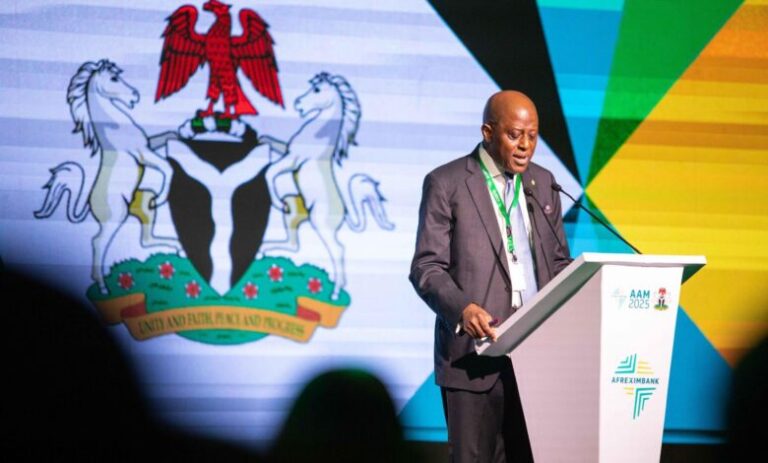
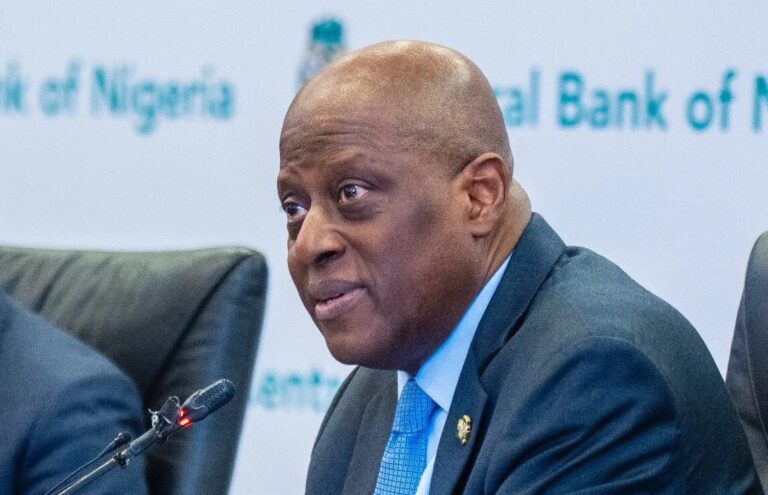
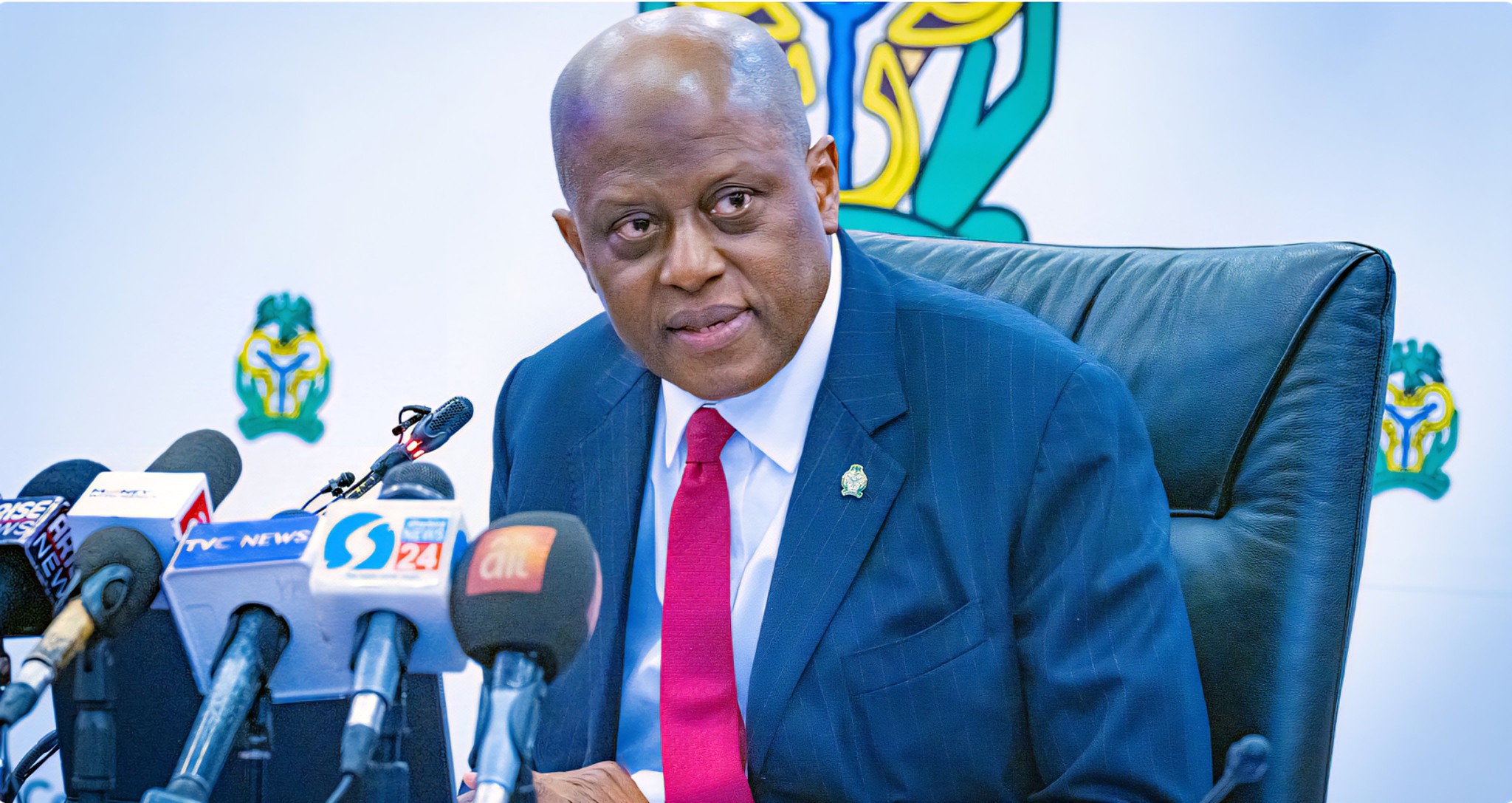
For Governor Olayemi Cardoso, the fintech story is personal as well as institutional. Reflecting on the sector’s evolution, he said he has seen first-hand how digital finance can broaden economic participation, create jobs and improve lives across the country.
“I have witnessed the transformative power of digital finance to broaden economic participation, create meaningful employment, and improve the lives of millions of Nigerians. It is for this reason that the CBN is intent on seizing our nation’s unique opportunity to harness fintech innovation for national development,” he said.
Cardoso noted that Nigeria is undergoing a profound financial transformation. Over the past decade, what began as a small cluster of startups has grown into one of Africa’s most dynamic innovation ecosystems.
“Nigeria is undergoing a rapid and significant financial evolution. Over the past decade, our nation’s fintech landscape has grown from a handful of startups into one of Africa’s most vibrant innovation ecosystems. Even amid global economic headwinds, Nigerian fintech firms continued to attract investment and drive change,” he said.
With improving macroeconomic stability and a more settled currency environment, the governor argued that financial innovation can now advance inclusion at scale. The Fintech Report, he explained, reflects the CBN’s commitment to nurturing innovation while safeguarding financial stability.
“This report reflects the Central Bank’s commitment to fostering a thriving fintech landscape while safeguarding the stability of our financial system. It is the product of extensive engagement between regulators and industry stakeholders,” Cardoso said.
“By surveying fintech operators, financial institutions and policymakers, we have gathered candid insights on what is working, what is not, and where we can do better.”
According to him, the findings reveal both progress and gaps, from the need to modernise regulatory frameworks and payments infrastructure to the challenge of helping startups reach Nigeria’s unbanked communities.
“The report is careful to contextualise Nigeria’s fintech journey within global trends, reminding us that we are part of a rapidly evolving digital finance landscape that offers immense opportunities as well as new risks,” he added.
For the CBN, Cardoso stressed, innovation is not an abstract concept but a strategic imperative.
“We are committed to creating an environment where new ideas can flourish under prudent oversight, and where inclusion is at the heart of our endeavours. Fintech must help deliver financial services to the last mile of our population, from the bustling cities to the rural villages, so that no Nigerian is left behind in the digital economy,” he said.
At the same time, he emphasised the importance of integrity and trust.
“As we embrace new technology, it is our responsibility to uphold the integrity of the financial system, maintaining strong governance, consumer protection, and risk management so that trust in our institutions remains firm.”
Cardoso expressed confidence that the report’s recommendations would help steer Nigeria toward a stronger and more inclusive financial future. “The Central Bank will further study the perspectives gathered, and we will continue to collaborate with the industry to refine our policies. This collaborative spirit, government and innovators working together, is the cornerstone of sustainable fintech development,” he said.
“Our goal is to strike the right balance: encouraging the creativity that sparks growth while ensuring robust measures that guarantee stability and public confidence.”
He concluded with a clear statement of intent: “Together, we can make Nigeria a model for fintech in Africa and the world, a country where digital finance supports broad-based prosperity and where regulatory foresight keeps our financial system secure.”
Other News
Nigeria’s fintech momentum
The report defines fintech as the use of innovative digital technologies to deliver financial services, spanning payments, remittances, lending, crowdfunding, InsurTech, WealthTech and RegTech. As these platforms reshape how people send money, access credit and interact with financial institutions, Nigeria has emerged as both a leader and a testing ground.
The country hosts some of Africa’s most influential fintech firms and continues to attract significant capital. In 2024 alone, Nigerian startups raised over US$520 million in equity funding out of a continental total of US$2.2 billion, placing Nigeria among Africa’s top ecosystems by deal activity and capital inflows. This builds on a longer trend: in 2019, Nigerian tech startups raised about US$747 million, representing roughly 37 per cent of all African startup funding that year.
This performance, achieved amid volatile global economic conditions, underscores Nigeria’s status as a key hub for financial innovation. However, the report also flags a vulnerability: the ecosystem’s heavy reliance on foreign capital. Rising interest rates in advanced economies in 2022 contributed to a slowdown in venture funding, helping to explain the decline in fintech investment inflows by 2024.
These dynamics, the report argues, highlight the urgency of developing domestic funding channels, including deeper use of Nigeria’s capital markets, to reduce currency risk and sustain long-term growth.
Given the scale of Nigeria’s payments volumes, the maturity of its real-time infrastructure and its experience managing innovation at population scale, the country is increasingly positioned as a reference market. The regulatory lessons emerging from Nigeria’s experience are now relevant not only to African peers but to other high-growth and emerging economies globally.
Insights from the CBN’s engagements with fintech operators, regulators and policymakers point to several priorities for the next phase of development. Among them is a growing, though exploratory, interest in sovereign digital asset frameworks as part of broader conversations on reducing foreign exchange leakage and strengthening formal remittance channels.
These perspectives were drawn from three key inputs: a quantitative fintech survey, a closed-door stakeholder workshop held in June 2025, and the October 2025 CBN Fintech Roundtable. Together, they provide a grounded roadmap for how Nigeria can transition from fintech frontrunner to fintech rule-setter.
Leadership through infrastructure
Nigeria’s leadership in fintech is anchored in infrastructure decisions made over a decade ago. In 2011, the country implemented a nationwide, real-time interoperable payments system, making instant interbank transfers a standard feature long before many advanced economies achieved similar scale.
This capability, sustained through close collaboration between the CBN, the Nigeria Inter-Bank Settlement System (NIBSS) and the broader payments ecosystem, has positioned Nigeria’s instant payments framework as one of the most mature and widely adopted globally.
Today, more than 25 per cent of all electronic transactions in Nigeria are processed through real-time payment channels on the NIBSS NIP platform. In 2024, close to 11 billion transactions were processed, up from five billion in 2022, placing Nigeria among the world’s top adopters of real-time payments and firmly at the forefront in Africa. This progress aligns with the Payments System Vision 2025, which targets near-universal e-payment penetration by 2030.
Innovation, integrity and the fraud challenge
Despite these gains, Nigeria continues to grapple with reputational challenges linked to digital fraud. Fraud remains a real and evolving risk, driven by both domestic criminal activity and cross-border actors exploiting global digital platforms.
The report notes that while some schemes originate locally, law enforcement cooperation and recent prosecutions indicate that a significant share of digital crimes attributed to Nigeria are orchestrated by foreign or cross-border actors, often using the country as a base or proxy rather than as the true source.
At the same time, measurable progress is being made. Data from NIBSS shows that N25.85 billion was lost to fraud last year, a significant decline from N52.26 billion recorded in 2024. Fraud cases also fell sharply, from 123,918 in 2021 to 67,515 in 2025.
Speaking at the Nigeria Electronic Fraud Forum (NeFF) technical kick-off session in Lagos, NIBSS Managing Director and CEO, Premier Oiwoh, attributed Lagos’ status as a major fraud hub to its cosmopolitan nature, high transaction volumes and dense financial infrastructure. He noted that Abuja and a few other cities are increasingly being used as operational bases due to weaker tracking effectiveness along some corridors.
Oiwoh urged banks to pay closer attention to staff behaviour as part of fraud detection.
“Banks no longer watch the lifestyle of their staff. What we have today is constant celebration of success in the sector,” he said.
In his keynote address, the CBN Deputy Governor for Financial System Stability, Philip Ikeazor, pointed to identity management as a major factor in fraud reduction. Speaking on the theme “Shrinking Fraud Losses: ISO 20022 & Identity Management,” he said the introduction of the Bank Verification Number (BVN), and its integration with the National Identification Number (NIN), has significantly constrained impersonation and synthetic identity fraud.
“Enhanced identity verification across banking, agent networks, and high-risk digital channels is steadily closing gaps previously exploited by criminals,” Ikeazor said.
“This reinforces the critical role of identity infrastructure as a foundational control for payment system integrity, with NIMC remaining a key partner in strengthening fraud prevention going forward.” He also highlighted the industry’s migration to ISO 20022, noting that beyond compliance, the standard provides richer transaction data that improves traceability, analytics and early fraud detection.
Similarly, Director of the Payments System Supervision Department and Chair of NeFF, Dr. Rakiya O. Yusuf, outlined key milestones such as the adoption of EMV chip-and-PIN cards, two-factor authentication, stronger consumer protection measures and institutionalised fraud information sharing. “These interventions translated into measurable reductions in fraud losses in earlier years and helped preserve public confidence in digital payments during periods of rapid growth,” she said. She added that improvements in identity management, particularly BVN-NIN integration, have significantly reduced impersonation and false-identity fraud, closing long-standing gaps across banking and agent networks.
From vision to reality
Taken together, Nigeria’s fintech journey illustrates how regulation, when thoughtfully designed and consistently applied, can unlock innovation rather than suppress it. Through infrastructure investment, collaborative policymaking and an insistence on integrity, the CBN is steadily translating Nigeria’s leadership vision in fintech into practical, global relevance.
The challenge ahead is to sustain momentum, deepen inclusion and ensure that trust keeps pace with innovation. If Nigeria succeeds, it will not only define its own digital future but help shape the rules of fintech for others to follow.