Follow Us on Google

By Uche Usim
Nigeria recently entered a new era in financial governance with the official launch of the Nigeria Foreign Exchange (FX) Code, an initiative that aims to overhaul the nation’s foreign exchange market by instilling core principles of integrity, fairness and transparency.
The launch ceremony, held at the Central Bank of Nigeria (CBN) headquarters in Abuja on January 28, brought together industry leaders, financial market participants, and key stakeholders to witness this landmark occasion, which promises to reshape the landscape of Nigeria’s financial sector for years to come.
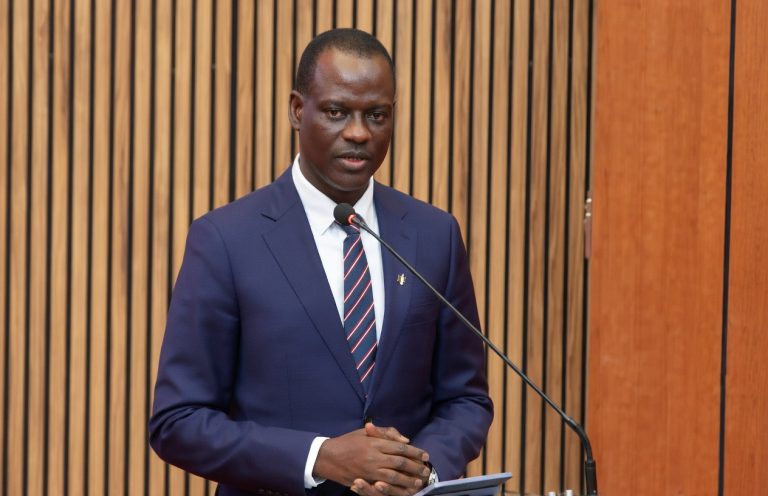
Mr. Olayemi Cardoso, Governor of the Central Bank of Nigeria, delivered a keynote address at the event, outlining the vision behind the FX Code, its transformative potential and the role of all market participants in driving its successful implementation. His speech was not only a reflection of Nigeria’s commitment to market reform but also a strong message that the country is ready to embrace a future defined by transparency, accountability, and sustainable economic growth.
In his opening remarks, Mr. Cardoso acknowledged the importance of this historic moment, emphasising that the launch of the FX Code represents a decisive shift away from the past practices that have eroded trust in Nigeria’s foreign exchange system.
“Your presence here today reflects our collective vision for a foreign exchange market built on integrity, fairness, transparency, and efficiency,” he told the audience, just as he stressed the critical role these principles play in Nigeria’s economic stability and growth.
Reflecting on the challenges the country has faced in its FX market, Cardoso said, “We must not forget where we are coming from.” He pointed to the era of multiple exchange rates, which created an uneven playing field, where select individuals and institutions had access to preferential rates at the expense of the broader population. This disparity led to a fractured and distorted market that undermined the economic stability of the nation.
Perhaps the most striking example of these challenges was the $7 billion in foreign exchange backlogs that has plagued Nigeria for over a year.
Cardoso noted that the process of verifying these backlogs has uncovered unethical practices that the country should not be proud of. “The forensic verification process is now near complete, and final settlements will be processed accordingly,” he affirmed, signaling the country’s determination to cleanse its foreign exchange system from the inefficiencies and injustices of the past.
Core principles of the FX code
The FX Code, according to Cardoso, is a blueprint for the future, grounded in the lessons of the past and designed to steer the Nigerian FX market towards a more transparent, equitable, and efficient future. It consists of six core principles which are; Ethics, being a commitment to the highest standards of integrity, ensuring that all market participants act fairly, transparently, and responsibly. Another is governance, which requires strong oversight mechanisms to ensure proper accountability and effective management of the FX market.
Next in line is execution, which ensures that foreign exchange transactions are executed fairly and transparently, with clear processes in place.
Information sharing is also included and it promotes transparency and openness by facilitating the free flow of accurate information.
Risk management and compliance where creating clear frameworks to identify, assess, and mitigate risks, while ensuring compliance with regulatory standards.
Confirmation and settlement processes strengthen procedures for confirming and settling foreign exchange transactions to ensure timely and accurate execution.
“These principles are not optional,” Cardoso declared, urging leaders in the room, including Board Chairs, Managing Directors, and Chief Compliance Officers, to lead by example and implement these standards within their organizations. He added, “Embedding these standards within your organisations is not a choice, it is an obligation.
“The FX Code is not just a set of recommendations; it is an enforceable framework for transparency, integrity, and accountability.
Other News
“We will not hesitate to act against any institution or individual that undermines the integrity of our financial markets.
“The era of opaque practices is over. The time for transparency and market-driven principles has arrived”, the CBN helmsman said.
The FX Code aligns with international standards while addressing Nigeria’s unique challenges. Its focus is on creating a transparent and resilient foreign exchange market that inspires confidence among both domestic and international investors.
Achievements of the FX Code and recent reforms
Cardoso highlighted the significant strides Nigeria has made in reforming its foreign exchange market. One of the most impactful reforms has been the introduction of the Electronic Foreign Exchange Matching System (EFEMS) in December 2024. The system has vastly improved market transparency and efficiency by creating a more streamlined and reliable mechanism for matching FX buyers and sellers. Since the launch of EFEMS, the naira has appreciated significantly, rising from N1,663.90 to N1,536.72 against the U.S. dollar in just a few months.
“These reforms are yielding real results,” Mr. Cardoso remarked, emphasizing that the appreciation of the naira was a testament to the success of the reforms. He also pointed to Nigeria’s growing external reserves, which increased by 12.74% to reach US$40.68 billion by the end of 2024.
“This achievement, Cardoso noted, reflects the effectiveness of the reforms thus far implemented.
He further emphasised the positive impact these changes have had on the broader economy. Cardoso stressed that exchange rate stability is not just about ensuring daily market rates but also about strengthening macroeconomic health, which affects critical indicators like inflation, foreign investment, international trade, and economic growth. “Inflation remains a major challenge for our economy, but by fostering exchange rate stability, we are actively addressing this issue,” he stated, outlining the pivotal role the FX market plays in combating inflation and safeguarding the purchasing power of Nigerian citizens.
Collective responsibility for market reform
While celebrating the progress that has been made, Mr. Cardoso also called for continued vigilance and active participation from all stakeholders in the financial ecosystem. “The FX Code is not just a set of guidelines; it is a binding commitment to accountability and transparency,” he said, urging everyone to embrace the principles of the code in their daily operations. He made it clear that the era of opaque practices was over, and any attempt to revert to the unethical behaviors of the past would be met with swift and decisive action.
“We will not hesitate to act against any institution or individual that undermines the integrity of our financial markets,” Cardoso warned, emphasizing that any violations of the FX Code would result in penalties and administrative actions.
He extended his gratitude to the Financial Markets Dealers Association (FMDA) for their efforts in training members on the FX Code and the Electronic Foreign Exchange Matching System (EFEMS). “Your dedication to capacity building is critical to the success of this initiative,” he acknowledged, noting the importance of ongoing training and education in ensuring the successful implementation of the reforms.
At the launch, Mr. Cardoso’s words resonated with a collective resolve: the launch of the FX Code is a transformative moment in Nigeria’s economic history. It represents a firm commitment to rebuilding a financial market founded on trust, integrity, and accountability. This initiative, grounded in both international best practices and Nigeria’s unique economic context, holds the promise of unlocking new avenues for sustainable growth and global competitiveness.
In signing the FX Code, experts said Nigeria’s leadership is sending a strong message to the world: the country is open for business, committed to reform, and ready to build a foreign exchange market that works for everyone.
“Together, we can build a financial ecosystem that embodies resilience, global competitiveness, and economic prosperity,”.
Analysts said the development signals that the road to a stronger, more transparent Nigerian economy is now underway.
The launch of the FX Code, they noted, is more than just a regulatory measure but the beginning of a new era in Nigeria’s financial evolution, which promises greater stability and resilience for the nation’s economy in the years to come.