Follow Us on Google

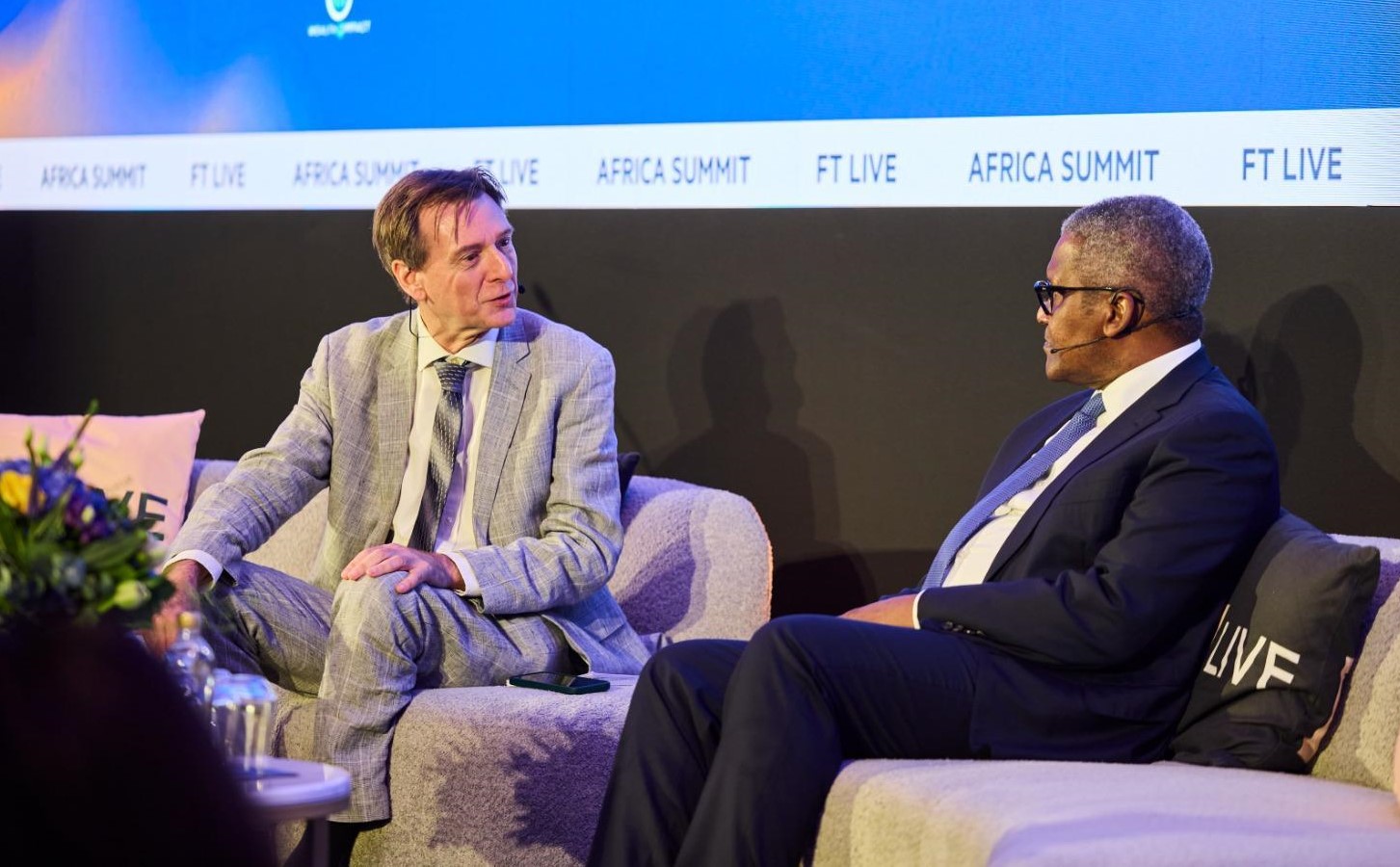
President and Chief Executive of Dangote Industries Limited, Aliko Dangote, has outlined a $50 billion investment programme to run from 2026 to 2030.
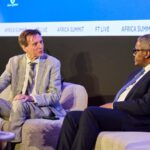
Speaking at the 2026 Financial Times Africa Summit in London, Dangote said the plan was aimed at expanding the group’s businesses and showing that African companies could undertake major industrial projects. He added that Africa must address poor electricity supply, limited access to long-term funding and weak industrial policies to unlock its manufacturing potential.
The billionaire stressed that the continent had abundant natural resources and a large population but lacked the infrastructure and strong financial institutions needed to turn these advantages into jobs, wealth and locally made products. Dangote argued that reliable electricity was the most urgent requirement for Africa’s industrial growth, warning that inadequate power supply was forcing countries to export raw materials instead of processing them locally.
“For Africa, what we need the most today is actually power,” he said. Dangote disclosed that about 650 million Africans lack access to electricity, a situation he described as a major obstacle to industrialisation.
He explained that poor power supply discouraged mining companies from establishing processing plants near extraction sites, denying African countries the greater income and employment that could come from turning raw materials into finished products.
The industrialist also called for stronger African financial institutions, sound agricultural policies and industrial policies that encourage local manufacturing and economic diversification. “I think the number one thing that the continent has to concentrate on doing is having very strong financial institutions, their own financial institutions, and also to have very strong agricultural policy, and also industrial policy,” he said.
“The legacy we are trying to set up is how do we industrialise our continent?” he asked.
He said Africa needed to create an industrial base capable of generating employment, supporting businesses and retaining more economic value within the continent rather than relying on imports.
Using the Dangote Petroleum Refinery in Lagos as an example, he explained how difficulties in securing long-term financing could delay major industrial projects and increase their costs.
According to him, the group had to fund the refinery from its own balance sheet because conventional project financing was extremely difficult to obtain for large investments in Africa.
He said the project also faced the impact of severe currency depreciation, with the exchange rate moving from about N136 to the dollar to as high as N1,800 during its development. About 90 per cent of the group’s revenue, he added, was earned in naira.
Dangote warned that prolonged financing negotiations could expose investors to changing economic conditions and make projects more expensive to complete.
He also urged African governments to protect local industries from unfair competition by cheap imported products, warning that poorly designed trade policies could discourage investment in domestic factories.
However, he called for stronger trade among African countries under the African Continental Free Trade Area, saying regional cooperation could help manufacturers expand their markets while protecting the continent’s productive capacity from unfair external competition.
Dangote questioned why Africa remained poor despite its vast agricultural land, mineral resources and youthful population.
“Why should we remain poor?” he asked, arguing that the continent’s challenge was not a lack of resources but its failure to invest enough in processing, manufacturing and other productive activities.
He expressed confidence that African governments, entrepreneurs and investors were increasingly determined to build industries that would support sustainable economic growth.