Follow Us on Google
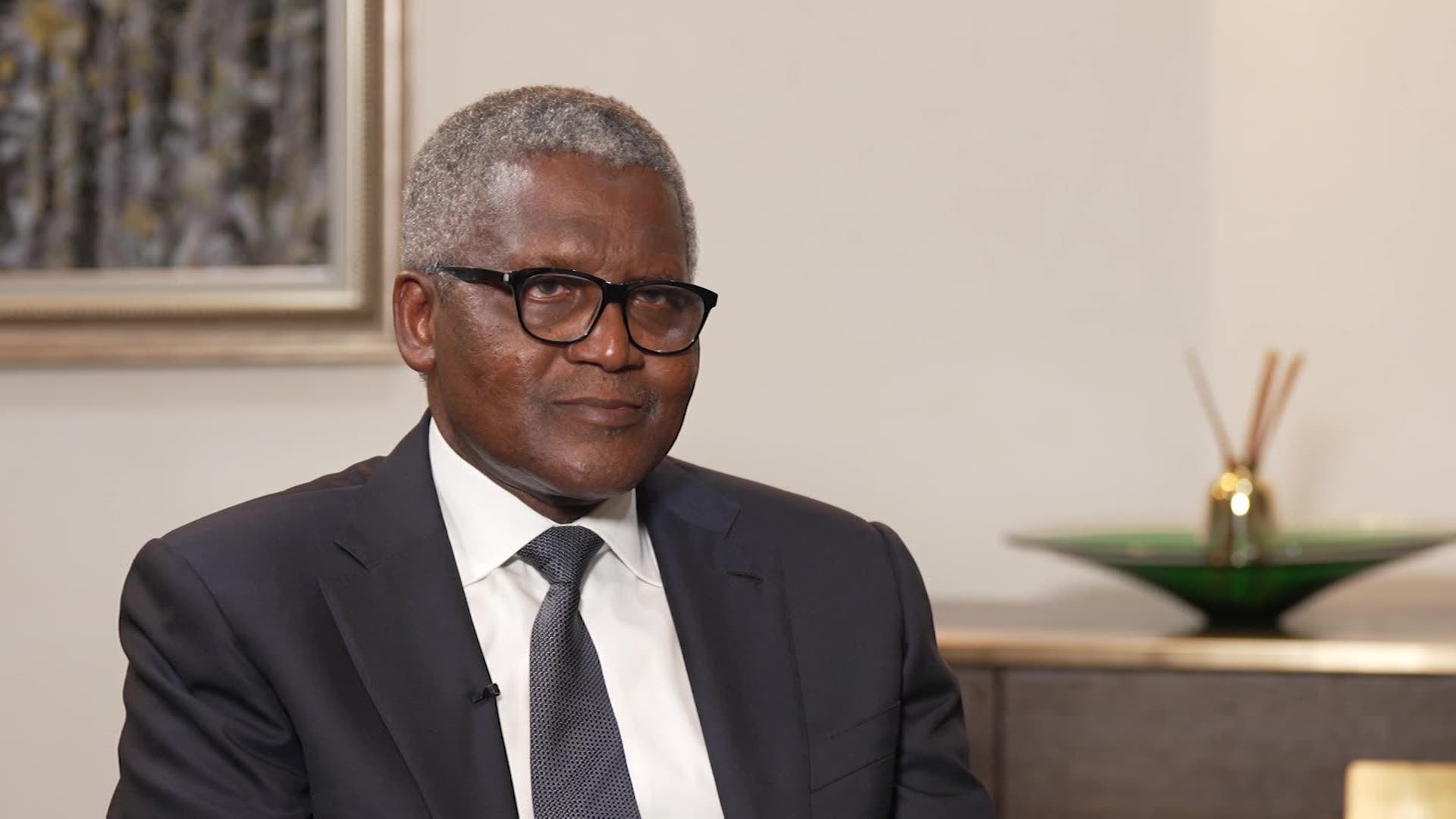
President of Dangote Industries Limited, Aliko Dangote, has settled on Lamu, Kenya, as the location for his proposed 700,000 barrels-per-day (bpd) refinery in East Africa, ending months of speculation over where the multi-billion-dollar project would be sited.
A senior executive of the company confirmed on Tuesday that the refinery, designed along the lines of the Dangote Petroleum Refinery in Lagos, will be constructed in the coastal Kenyan town of Lamu and is expected to be completed within 30 months.
The Vice President, Oil and Gas, Dangote Industries Limited, Edwin Devakumar, disclosed the decision in an interview with AFP, saying the project would strengthen the company’s footprint across Africa while boosting regional energy security.
The announcement comes after months of speculation over the preferred destination for the refinery, with Tanzania initially emerging as one of the strongest contenders.
Dangote had only weeks ago visited Tanzania, where he held talks with President Samia Suluhu Hassan on potential investment opportunities in the country’s energy sector.
According to a statement issued after the meeting, Dangote explained “the commercial and technical considerations behind the Group’s decision to locate its planned East African refinery in Lamu.”
The statement also revealed that the Nigerian industrialist invited Tanzania to participate in the Lamu refinery investment despite the project’s eventual location in Kenya.
Before confirming Lamu, Dangote had previously indicated that Mombasa was under consideration, but the company ultimately settled for Kenya’s northern coastal region.
The planned refinery represents another major expansion for the Dangote Group following the successful take-off of its flagship refinery in Nigeria.
The 650,000bpd Dangote Petroleum Refinery, which commenced operations in 2024 after years of construction, has significantly altered Nigeria’s downstream petroleum landscape.
Other News
For decades, Africa’s largest crude oil producer relied heavily on imported refined petroleum products because of the poor state of its government-owned refineries. The commencement of operations at the privately-owned Dangote refinery has reduced that dependence while increasing local refining capacity.
Beyond meeting domestic demand, the refinery has also become a major exporter of refined petroleum products.
The company currently exports aviation fuel to markets in the United States, Europe and Brazil, further strengthening Nigeria’s position in the global energy value chain.
In recent months, Dangote Refinery also announced the export of 12 cargoes totaling 456,000 tonnes of petroleum products to several African countries, including Ivory Coast, Cameroon, Tanzania, Ghana and Togo, underscoring its growing influence in regional energy trade.
The latest investment in Kenya aligns with Dangote Industries’ broader strategy of expanding its industrial footprint across Africa through large-scale investments in energy, manufacturing, cement, fertiliser and infrastructure.
The proposed East African refinery is expected to enhance fuel supply across the region, reduce dependence on imported refined products and support industrialisation in Kenya and neighbouring countries.
Meanwhile, Dangote is also pursuing an ambitious expansion of its Nigerian refinery. The company plans to increase the facility’s capacity from 650,000bpd to 1.4 million barrels per day by 2028, a move that would make it the largest refinery in the world.
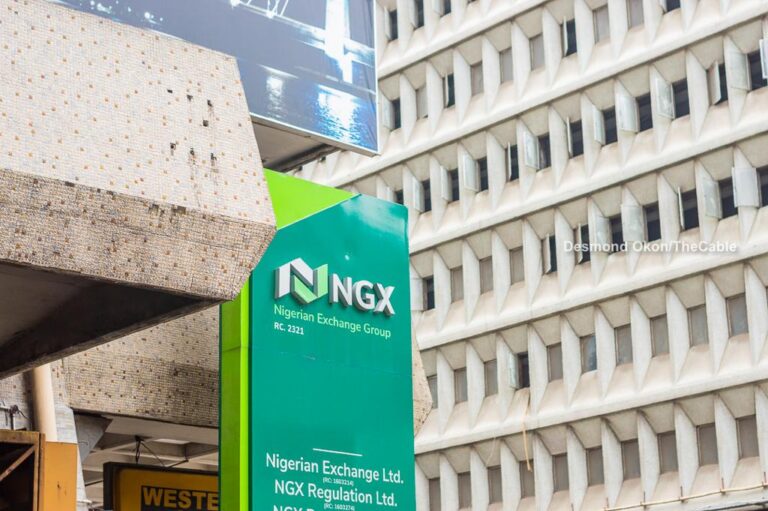
The refinery is also expected to be listed on the Nigerian Exchange next year, opening a new chapter in the company’s growth strategy and providing investors an opportunity to participate in one of Africa’s biggest industrial ventures.
Industry analysts believe the Kenyan refinery project will deepen regional integration in Africa’s energy market while reinforcing Dangote Group’s position as one of the continent’s leading industrial conglomerates. The investment is also expected to stimulate employment, infrastructure development and increased access to refined petroleum products across East Africa.