Follow Us on Google
From Juliana Taiwo-Obalonye, New York
Nigeria’s Minister of Women Affairs, Imaan Sulaiman-Ibrahim, has announced a significant increase in the federal government’s domestic budget allocation for women, emphasising that the administration of President Bola Tinubu remains steadfast in promoting gender-responsive financing and inclusive economic growth.
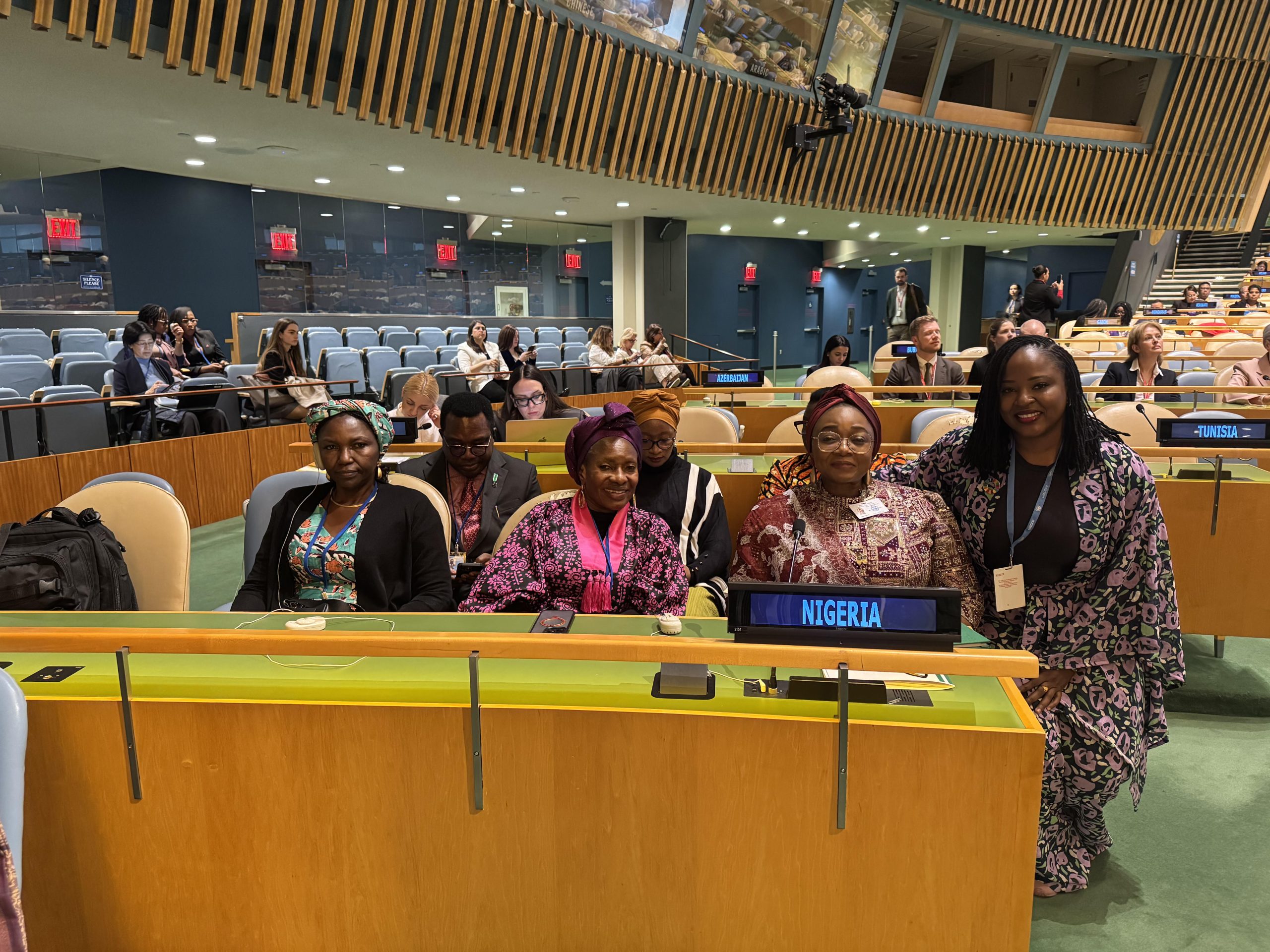
Speaking at the 70th Session of the Commission on the Status of Women (CSW70) at the United Nations Headquarters in New York, under the priority theme “Ensuring and strengthening access to justice for all women and girls, including by promoting inclusive and equitable legal systems, eliminating discriminatory laws, policies, and practices, and addressing structural barriers”, Sulaiman-Ibrahim said that the move reflects the government’s deliberate effort to embed gender equality and women’s empowerment at the core of national planning and fiscal policy.
“Nigeria has seen a significant increase in domestic budget allocations for women,” she told delegates, “while continuous prioritization of gender budgeting, gender finance, and gender-sensitive financial practices remains intentional in driving greater investment in gender equality, women’s empowerment, child development, and social inclusion.”
According to the minister, this approach marks a strategic shift from short-term interventions to systemic mainstreaming of women’s needs into the budgeting and financial governance process. She explained that gender-responsive budgeting ensures that public spending directly addresses the realities faced by women and girls, particularly in areas such as education, healthcare, social protection, and economic empowerment.
Sulaiman-Ibrahim further noted that agencies across federal, state, and local levels have been mandated to integrate gender considerations into their annual budgets, while the Ministry of Finance is working closely with the Ministry of Women Affairs to track and evaluate progress through a gender-finance accountability framework.
Other News
She added that the government’s gender-inclusive financial policy is aimed at improving women’s access to credit, supporting women-owned enterprises, and promoting financial inclusion for vulnerable groups.
“The federal government is not only increasing funds for women-focused programmes,” she said, “but also expanding access to economic opportunities that allow women to become key actors in national development.”
The minister reiterated that President Tinubu’s Renewed Hope Agenda identifies gender equality as a cornerstone of sustainable economic transformation, adding that the administration’s commitment extends beyond social welfare to structural reforms that level the economic playing field for women.
International development experts have commended Nigeria’s efforts in this direction, noting that sustained gender-responsive budgeting can enhance transparency, accountability, and inclusiveness in fiscal governance — outcomes that align with the United Nations’ Sustainable Development Goals (SDGs), particularly Goals 5 (Gender Equality), 8 (Decent Work and Economic Growth), and 10 (Reduced Inequalities).
Sulaiman-Ibrahim concluded by reaffirming Nigeria’s readiness to deepen partnerships with global institutions to scale gender-responsive fiscal initiatives and promote innovative financing models that prioritize women and girls.
“Empowering women economically is not just a moral imperative,” she stressed. “It is a smart investment that multiplies impact across families, communities, and the entire nation.”