Follow Us on Google
By Doris Obinna
Civil Society Organizations (CSOs) and key health stakeholders in Lagos State have reaffirmed their commitment to improving primary healthcare delivery through stronger collaboration and accountability mechanisms.
The resolution was reached at a Strategic Alliance meeting, held in Lagos, convened by the Centre for Communication and Social Impact (CCSI) under the International Society of Media in Public Health (ISMPH) and EngenderHealth project aimed at strengthening Primary Health Care (PHC) systems across the state.
Speaking at the meeting, the Director, Medical Services and Disease Control at the Lagos State Primary Health Care Board, Dr. Veronica Iwayemi, commended the pivotal role played by CSOs in driving advocacy, accountability, and resource mobilization in the health sector. She noted that many of the state’s early successes, including the procurement of consumables at the PHC level, were achieved through the persistent efforts of CSOs.
“We are grateful for your continued support. You are the ones who help us reach out to chairmen, demand accountability from our Medical Officers of Health, and track our budgets. Your work has ensured sustained funding for crucial health activities,” she said.
Iwayemi also announced plans to introduce a Governor’s Excellence Award for Primary Health Care Services next year to recognize outstanding CSOs, healthcare workers, and performing Local Government Areas (LGAs).
She emphasised that the award would celebrate proactive advocacy groups contributing significantly to health promotion, disease prevention, and community engagement. The Board, she added, would work with CSOs to develop a transparent scoring template for assessing advocacy performance.
At the meeting, the CCSI spotlighted the role of faith-based collaboration in advancing public health, highlighting the achievements of the Interfaith Public Health Advocacy Lagos (IPHAL). Chairperson of IPHAL, Dr. Ajoke Ashiru, emphasised the unifying power of faith leaders in promoting health awareness and influencing community behavior.
She noted that the interfaith platform has become instrumental in tackling issues such as maternal and child health, family planning, and disease prevention through trusted religious voices.
Representatives from CCSI commended IPHAL’s work as a model of grassroots engagement, noting that collaboration with faith-based organisations has significantly boosted public acceptance of health interventions and strengthened advocacy efforts. Participants reaffirmed that sustained investment in communication, advocacy, and faith-driven leadership is essential for transforming public health outcomes.
State Advocacy Coordinator for CCSI, Mr. Abiodun Ajayi, explained that the meeting was convened to harmonise ongoing advocacy efforts among CSOs, development partners, and government agencies to prevent duplication and enhance impact.
“Over the past six months, the EngenderHealth led project has engaged multiple stakeholders, but if everyone continues to work in silos, our impact will remain fragmented; like pouring water into a basket,” Ajayi said.
He announced the formation of an alliance of CSOs and partners to pursue advocacy goals with a unified voice, strengthening efforts around timely release of RAMCA and family planning funds, and promoting gender-responsive health strategies. Ajayi urged the media to amplify the message of unity within the health advocacy space, stressing that “the interest of Lagosians must come first.”
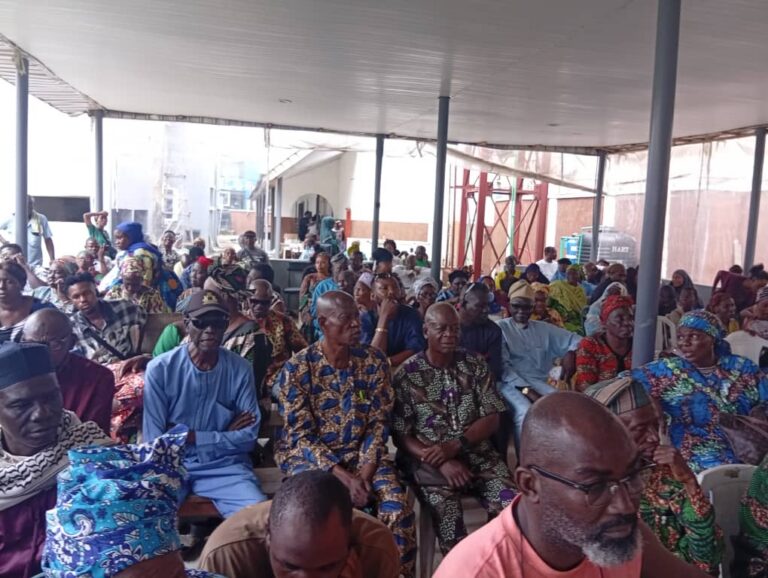
The meeting, attended by representatives from the Bill & Melinda Gates Foundation, The Challenge Initiative (TCI), the Society for Family Health (SFH), and other partners, marked a significant milestone toward creating a coordinated advocacy front for quality healthcare delivery in Lagos State.