Follow Us on Google
From Jude Chinedu, Enugu
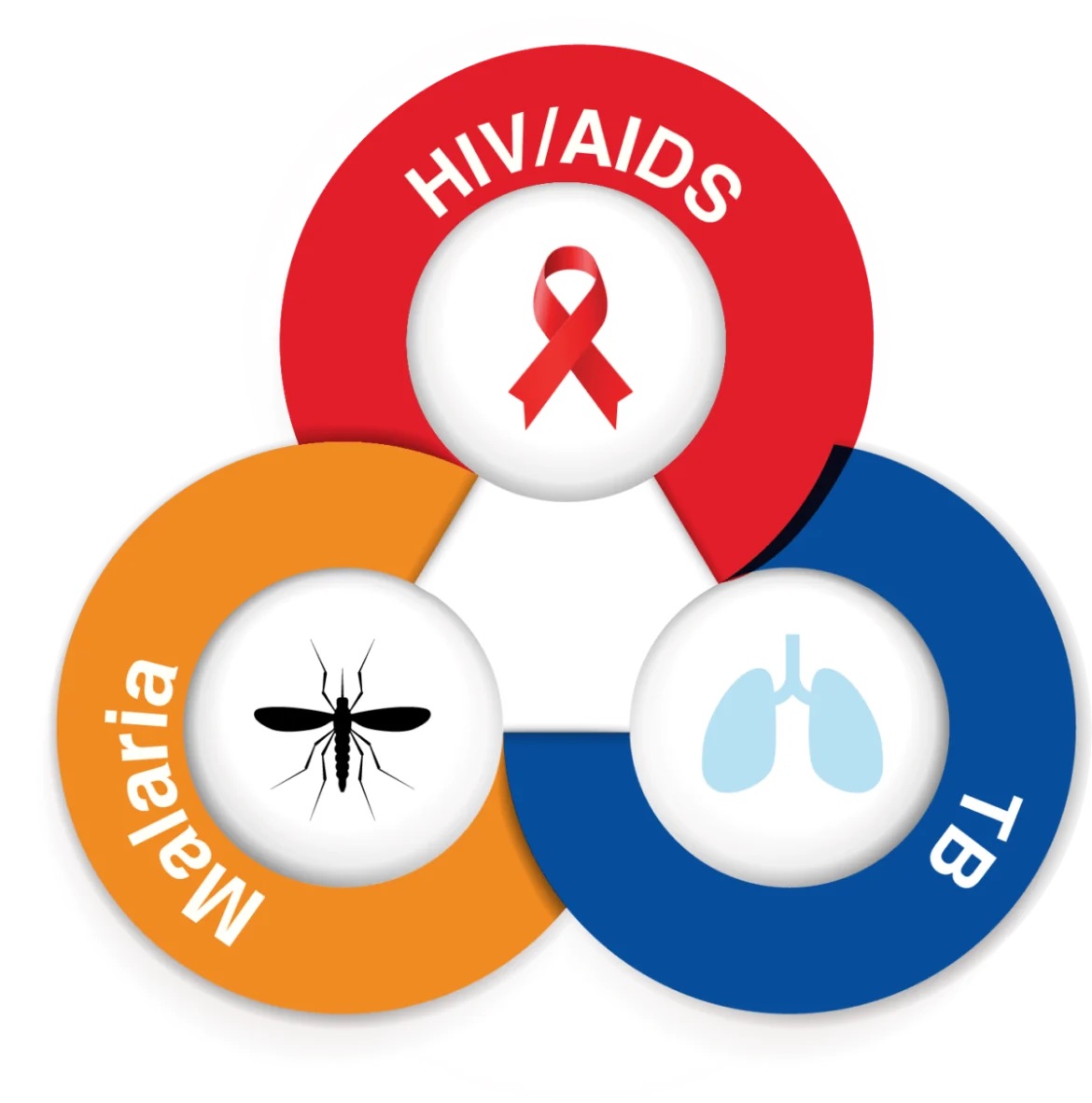
Civil society groups working on tuberculosis, HIV/AIDS and malaria control have called for urgent government action to strengthen healthcare systems, improve funding for primary healthcare and expand health insurance coverage to vulnerable Nigerians in order to tackle the growing burden of infectious diseases across the country.
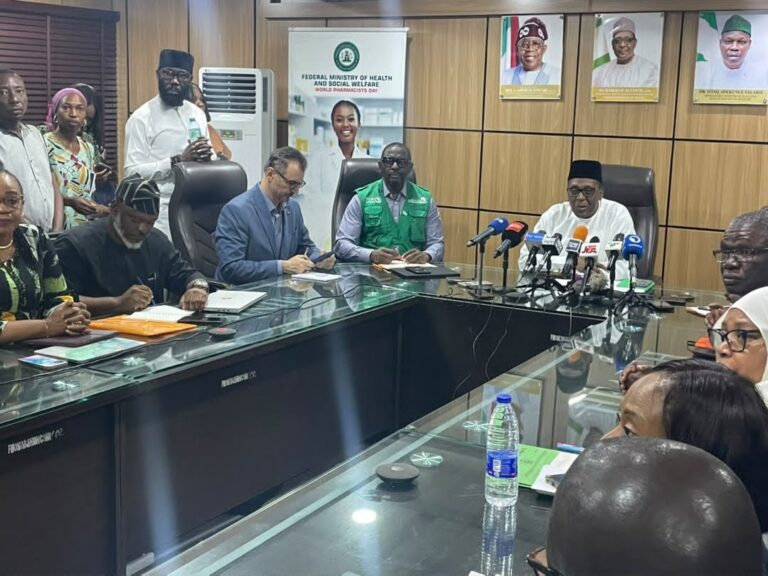
The call was made during a media roundtable organised in Enugu, under the Global Fund GC7 Integrated Community-Led Monitoring (CLM) Project for HIV/AIDS, Tuberculosis and Malaria, where stakeholders reviewed progress made so far in community-driven healthcare interventions and highlighted persistent challenges affecting service delivery in Enugu State.
Speaking during the event, the State Programme Officer of the Civil Society for the Eradication of Tuberculosis, Meniru Hamilton Chidozie, said Nigeria remains one of the countries carrying the heaviest burden of infectious diseases globally.
He said that Nigeria is currently ranked first in Africa and sixth globally among countries with high tuberculosis burden and TB/HIV co-infection, while also accounting for the world’s highest malaria burden and the second-largest HIV/AIDS burden globally.
He said poverty, poor access to healthcare facilities, lack of education, and rising out-of-pocket medical expenses continue to worsen the situation, especially among vulnerable populations.
“Many patients still travel over 30 kilometres to access tuberculosis, malaria, and HIV services. Even where treatment is subsidised or free, transportation costs and hidden expenses discourage many from seeking care, forcing some to resort to unsafe alternatives,” he said.
Chidozie explained that through the Global Fund-supported Integrated Community-Led Monitoring project, civil society organisations are working closely with communities in Enugu State to identify gaps affecting healthcare delivery and advocate for immediate solutions.
He noted that since implementation began in the state, the initiative has recorded significant improvements in healthcare service delivery between late 2025 and May 2026.
Among the achievements recorded, he said, were the repair of damaged water pipes at Hilltop Ngwo Primary Health Centre, restoration of electricity at Amechi Primary Health Centre through community intervention, donation of sanitation materials to Achala 1 Health Post, provision of water storage facilities at CPS Health Post and rehabilitation work at New Heaven and Imilike Enu Primary Health Centres.
He said the community-led advocacy also helped restore solar-powered electricity at Igugu Primary Health Centre and improved record-keeping systems across several health facilities in the state.
The organisation, however, warned that despite the progress recorded, serious structural challenges remain, requiring urgent intervention from government and development partners.
Other News
As part of its call to action, the group urged the Federal and State Governments to extend health insurance programmes currently enjoyed by workers in the formal sector to poor and vulnerable Nigerians who cannot afford out-of-pocket medical expenses.
“The National and State Health Insurance programmes should be extended to vulnerable citizens, particularly the poor, because healthcare costs continue to deny many Nigerians access to treatment,” Chidozie stated.
The group also called for stricter monitoring of primary healthcare funding to prevent diversion and mismanagement of public resources meant for health interventions.
It further urged government at all levels to prioritise health education, community engagement, and behavioural change programmes aimed at improving awareness and prevention of tuberculosis, malaria, and HIV infections.
“Every ward should commit to health promotion and education programmes that increase awareness on disease prevention and encourage community participation in healthcare delivery,” he added.
The organisation also stressed the need for increased domestic resource mobilisation, warning that delays in the release of funds for procurement of tuberculosis, HIV and malaria drugs could trigger serious shortages in health facilities nationwide.
“Responsible federal government agencies must urgently release funds for procurement of AIDS, tuberculosis, and malaria drugs to address growing concerns over commodity stock shortages,” the group said.
The stakeholders also raised concerns over the growing cases of gender-based violence across Nigeria, describing the situation as another major public health and social crisis requiring urgent collective action.
They condemned rising incidents of domestic violence, rape, sexual assault, forced marriages, female genital mutilation, and other forms of abuse affecting women, men, boys, and girls.
“We call on all stakeholders to fight against gender-based violence. Let us not be silent. Let us pull our efforts together to rid this nation of this menace. If you see something, say something,” the organisation stated.
Earlier in his opening remarks, Chief Godwin Agujiokah, Coordinator of the TB Network in Enugu State, said the media roundtable was aimed at reviewing progress made under the Community-Led Monitoring initiative while strengthening accountability in healthcare delivery.
He commended journalists and stakeholders for supporting efforts aimed at ensuring community voices influence decision-making in the health sector.