Follow Us on Google


From Ndubuisi Orji, Abuja
Speaker of the House of Representatives, Tajudeen Abbas, has warned that crude oil theft, pipeline vandalism, production constraints and regulatory bottlenecks remain major threats to Nigeria’s petroleum industry, calling for stronger enforcement, improved security of oil installations and effective implementation of the Petroleum Industry Act (PIA).

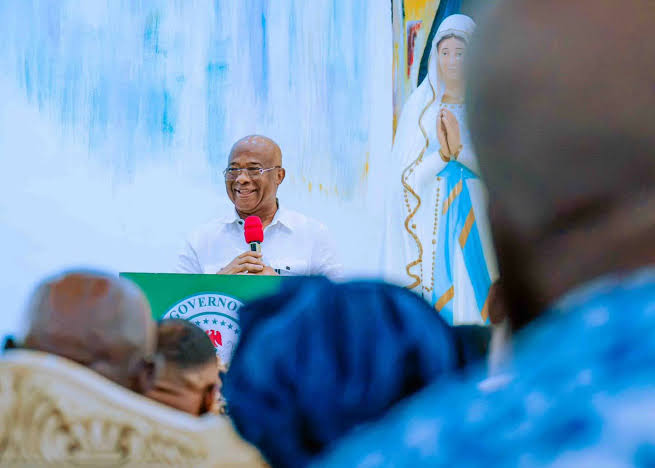
Abbas at a retreat on the implementation of the PIA, organised by the Nigerian National Petroleum Company Limited (NNPCL) in collaboration with the Office of the Speaker in Abuja yesterday said the protection of petroleum assets had become an economic and national security imperative requiring coordinated action by government agencies, regulators and industry operators.
He disclosed that the House had continued its investigation into crude oil theft and scrutiny of pipeline surveillance arrangements as part of legislative interventions aimed at protecting petroleum infrastructure, improving production and safeguarding government revenue.
“Nigeria must contend with production constraints, crude oil theft, pipeline vandalism, infrastructure deficiencies, investment uncertainty, regulatory bottlenecks and the need to optimise domestic refining capacity.
Other News
“We must also ensure that adequate crude oil supplies are available to domestic refineries without undermining the commercial viability of upstream operations.
“Our gas resources equally represent an enormous but insufficiently realised national asset. Unlocking their potential requires sustained investment in infrastructure, appropriate commercial arrangements and regulatory certainty.
“These challenges cannot be addressed by legislation alone. They demand consistent implementation, institutional coordination, credible regulatory enforcement and investor confidence.”
Abbas stressed that the implementation of the PIA must go beyond restructuring institutions to address the operational and investment challenges confronting the petroleum sector, particularly the security of production facilities, crude oil supply to domestic refineries and development of the country’s gas resources.
He said the House would continue to scrutinise the governance and accountability framework of the NNPCL to determine whether its new corporate structure was delivering the transparency, efficiency and commercial discipline envisaged under the PIA.
According to him, the effectiveness of the legislation must be assessed against measurable improvements in oil and gas production, investment inflows, domestic refining capacity, energy security and government revenue, rather than institutional changes alone.
“Ultimately, the success of the PIA must be measured beyond institutional restructuring and corporate performance indicators. It must be reflected in increased production, greater investment, improved energy security, stronger domestic refining, enhanced revenue generation, employment opportunities and tangible benefits for Nigerians, particularly communities that host petroleum operations,” he stated.