Follow Us on Google
From Okwe Obi, Abuja
Prompted by the sharp hike in the price of cooking gas also called Liquefied Petroleum Gas (LPG), the Minister of State for Petroleum Resources (Gas), Ekperikpe Ekpo, has directed operatives of the Department of State Services (DSS), Police, Nigeria Security and Civil Defence Corps (NSCDC) and other paramilitary to decisively deal with those undermining the sector.
Ekpo, who spoke yesterday at a stakeholders meeting with stakeholders on the rising prices of LPG, specifically directed the phalanx of security team to apprehend hoarders, stop illegal storage diversion across the country.
According to him, the government would not sit back and allow market forces to thwart its efforts in ensuring availability and affordability of LPG.
“I have directed the NMDPRA to intensify monitoring, engage operators, and work with security agencies to discourage hoarding, eliminate artificial scarcity, and strengthen distribution and pricing transparency.
“Improved supply must be matched by efficient distribution and responsible conduct. Bottlenecks, hoarding, speculative storage, allocation inefficiencies, logistics constraints, and pricing distortions must not undermine public confidence,” he said.
He reassured Nigerians that there is no cause for panic, as the government remains committed to adequate domestic gas supply and to the Decade of Gas Initiative as a pathway for cleaner cooking, industrial growth, and energy security,” stated.
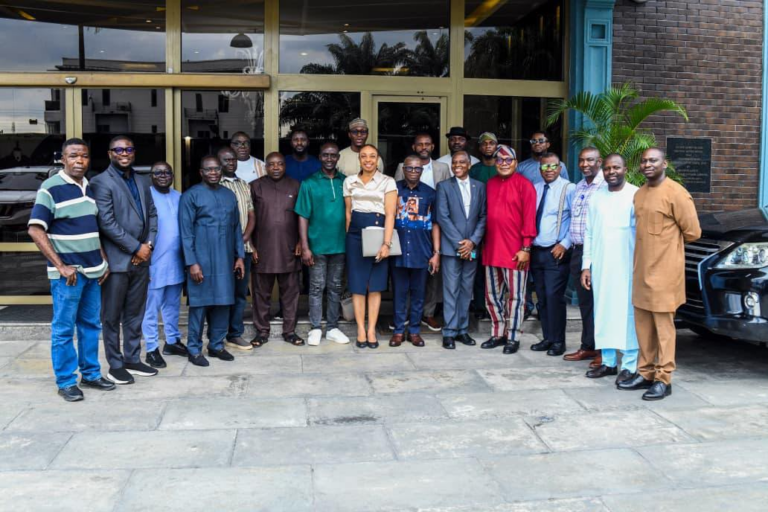
Deputy President of Nigerian Association of LPG Marketers (NALPGAM), Ude Godwin, in his presentation, recalled how the body approached the Minister, NMDPRA over escalating price of gas in Nigeria and today meeting presented opportunities to enable the stakeholders address the crisis.
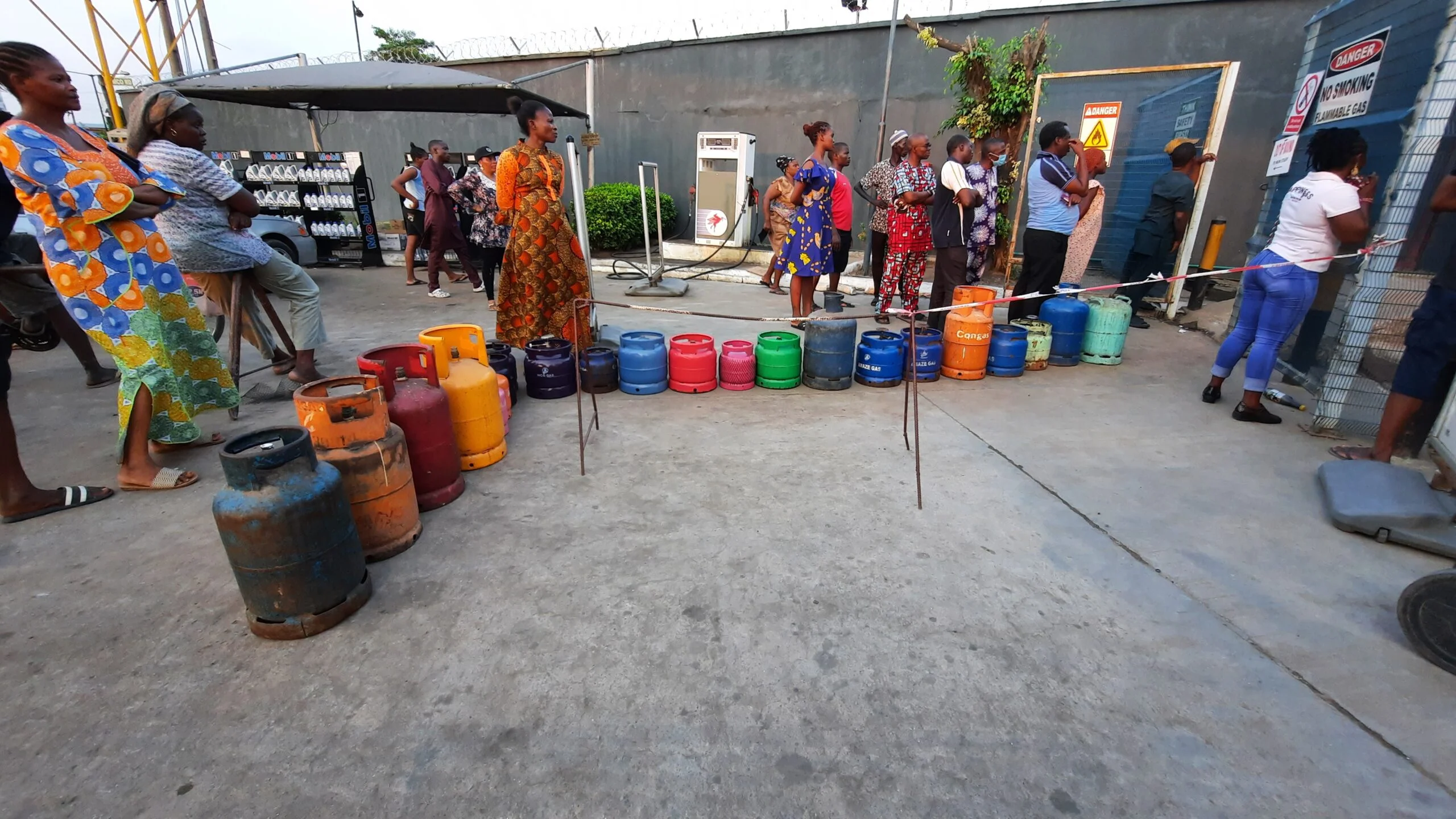
Godwin explained that Since late 2025 into mid-2026: Nigerians have faced repeated LPG scarcity and consequential sharp price hikes despite rising domestic production.
According to him, prices jumped from N1,000/kg in January 2026 to N1,500-1,700/kg by May 2026.
Other News
“Prices went in some locations from N2,000-2,500/kg by June 2026. A 20MT truck now costs marketers N28m-N30m as against N14m/20MT when Dangote first supplied LPG in 2025.
“Erratic supply, terminal congestion in Lagos, logistics bottlenecks, and reduced volumes from Dangote Refinery and NLNG. Low buffer stock made any 2-week disruption to trigger panic buying.
“The Nigerian Association of Liquefied Petroleum Gas Marketers (NALPGAM), led by National President Barr. Edu Inyang has been the main industry voice pushing for intervention to save the situation,” he added.
Beyond threats and sanctions, the marketer suggested to the government to ensure that there should be all domestic LPG producers to demonstrate compliance with domestic supply commitments and ensure adequate volumes are made available to the Nigerian market before exports, say it will increase product availability and reduced supply disruptions.
He said the should be a joint government-industry monitoring team to track production volumes, depot prices, inventory levels, and distribution patterns across the country, to identify early signals of supply shortages, speculative activities, and market distortions.
He tasked the government to Initiate an urgent review of multiple fees, levies, and charges imposed across the LPG value chain with a view to eliminating duplications and reducing cost burdens on operators. This will bring about lower operating costs and moderation of retail prices.
“Where domestic supply is insufficient, provide a fast-track framework for marketers and investors to import additional LPG volumes, including support for foreign exchange access and streamlined regulatory approvals. This will bridge supply gaps and improve market competition.
“Announce targeted incentives for investment in LPG storage facilities and distribution hubs in underserved regions, particularly Northern Nigeria and major inland consumption centres. This will reduce transportation costs and improve nationwide product availability.
“Set up a standing working group comprising representatives of the Ministry, NMDPRA, producers, terminal operators, NALPGAM and other critical stakeholders to meet periodically and monitor implementation of agreed interventions.
“This will bring about sustained stakeholder engagement, policy coordination, and measurable progress toward supply, availability and stability,” he added.