Follow Us on Google

From Fred Ezeh, Abuja
The Nasarawa State Government has suggested the replication of the peacebuilding model adopted in Toto Local Government Area of the state across Nigeria, particularly in communities affected by communal conflicts, land disputes, historical grievances and declining trust among residents.
The state government said the experience in Toto LGA, where previously divided communities have embraced dialogue and reconciliation, offers useful lessons for addressing conflicts and restoring peaceful coexistence in other parts of the country.
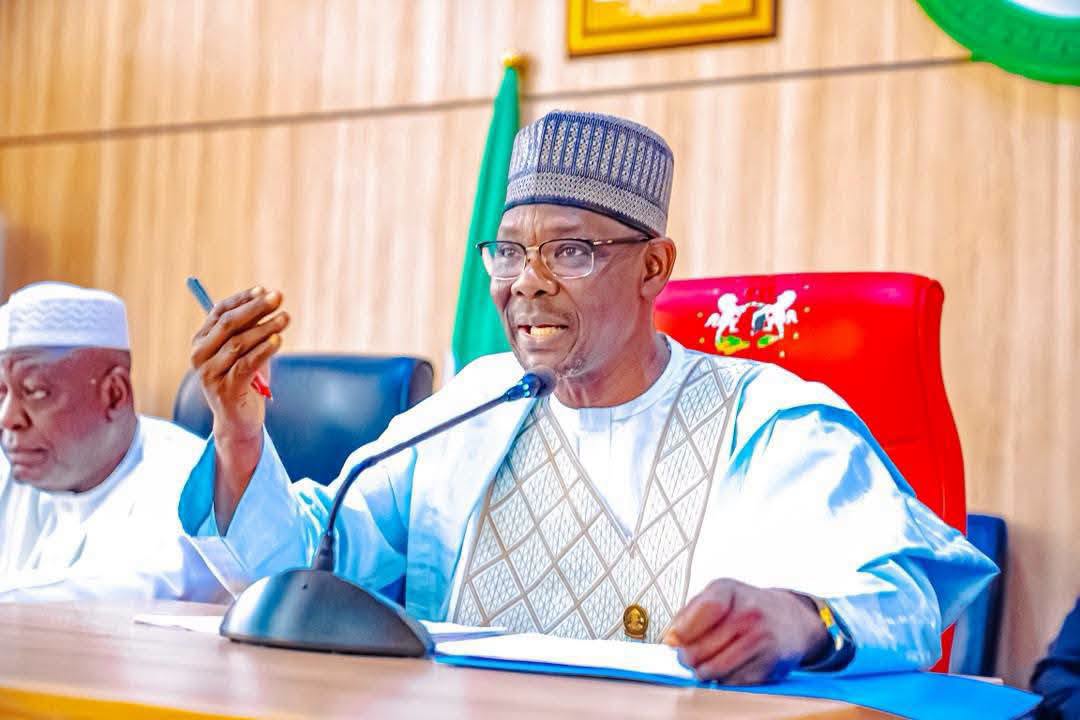
The Commissioner for Information, who represented Governor Abdullahi Sule at an event in Abuja on Thursday marking the achievements of the peacebuilding initiative in Toto LGA, said the state was proud of the progress recorded and would support efforts to share the experience with other communities.
The event, titled “From Grievances to Resilience: Building Pathways to Sustainable Peace, Lessons from the Strengthening Community Grievance Management and Resilience System Project”, brought together individuals and stakeholders who played one role or another in the return of peace in Toto LGA of Nasarawa State.
He commended the Institute for Integrated Transition (IFIT), Strengthening Peace and Resilience in Nigeria (SPRiNG), Middle Belt Brain Trust (MBTT), the United Kingdom’s Foreign, Commonwealth and Development Office (FCDO), traditional rulers and security agencies for their contributions to the process.
The commissioner said that peacebuilding was a continuous exercise requiring commitment, dialogue and sustained government support, adding that the state government was willing to commit resources to ensure the gains recorded in Toto were sustained and replicated.
He noted that the return of displaced residents, improved relationships among ethnic groups and increased economic activities demonstrated the benefits of resolving disagreements through dialogue rather than violence.
Former Chief of Defence Staff and Chairman of the Toto Mediation and Peacebuilding Team, General Martin Luther Agwai (rtd), said the experience had demonstrated that sustainable peace required more than the implementation of projects, stressing the need to strengthen relationships and institutions capable of managing conflicts after external support had ended.
Agwai identified community ownership, early engagement of influential stakeholders, the involvement of traditional institutions, institutional reforms and adaptability as major lessons from the intervention.
He suggested that development partners and government focus on strengthening local institutions, improving grievance-management mechanisms and addressing the underlying causes of conflicts rather than relying on temporary interventions.
The Senior Special Assistant to the President on Community Engagement (North Central), Dr Abiodun Essiet, in her remarks, called on governors in the region to establish Peace and Reconciliation Commissions to address historical grievances and prevent conflicts from escalating.
Other News
Essiet disclosed that her office had signed a Memorandum of Understanding with SPRiNG to coordinate peacebuilding activities across the North Central, document successful interventions and develop frameworks that could be adopted by other communities.
She said the Toto experience should be documented and shared with communities in Plateau, Benue and other states in the region, adding that traditional rulers and women must be given greater roles in peacebuilding.
The presidential aide also warned against introducing partisan politics into peace initiatives, particularly as the country approaches the 2027 general elections, noting that all stakeholders must be involved irrespective of political affiliation.
She advocated a combination of kinetic and non-kinetic security strategies, arguing that military operations alone could not resolve conflicts rooted in historical grievances, mistrust and competition over resources.
In his contribution, the Aguma Bassa, Nasarawa State, HRH David W. Torkura, said the Toto experience showed that peace required patience, sacrifice, committed leadership and the willingness of communities to abandon violence.
He commended traditional rulers for their roles in facilitating reconciliation, and also acknowledged the contributions of the Nigerian Army, Police and Department of State Services (DSS), who, according to him, supported the return of residents to their communities through a combination of military protection and dialogue.
Torkura illustrated the economic benefits of peace with the account of a farmer whose harvest reportedly increased from 10 bags to 150 bags following the restoration of stability.
He, however, appealed to government to provide water, shelter, roads, functional schools and agricultural support to communities affected by the violence, saying the restoration of peace must be followed by reconstruction and development.
He also praised traditional rulers for helping to resolve longstanding boundary and territorial disagreements that had remained unsettled for decades.
The Toto Local Government chairman was similarly commended for providing leadership and supporting the reconciliation process.
The speakers thus urged government, development partners and community leaders to sustain their collaboration, stressing that the success of the Toto initiative should serve as a learning experience for other conflict-affected communities across Nigeria.