Follow Us on Google
By Henry Uche
The Chartered Institute of Taxation of Nigeria (CITN) has reiterated its resolve to intensify engagement with strategic government institutions to strengthen revenue administration, curb leakages, achieve its fiscal objectives and enhance value-added service delivery to Nigerians.
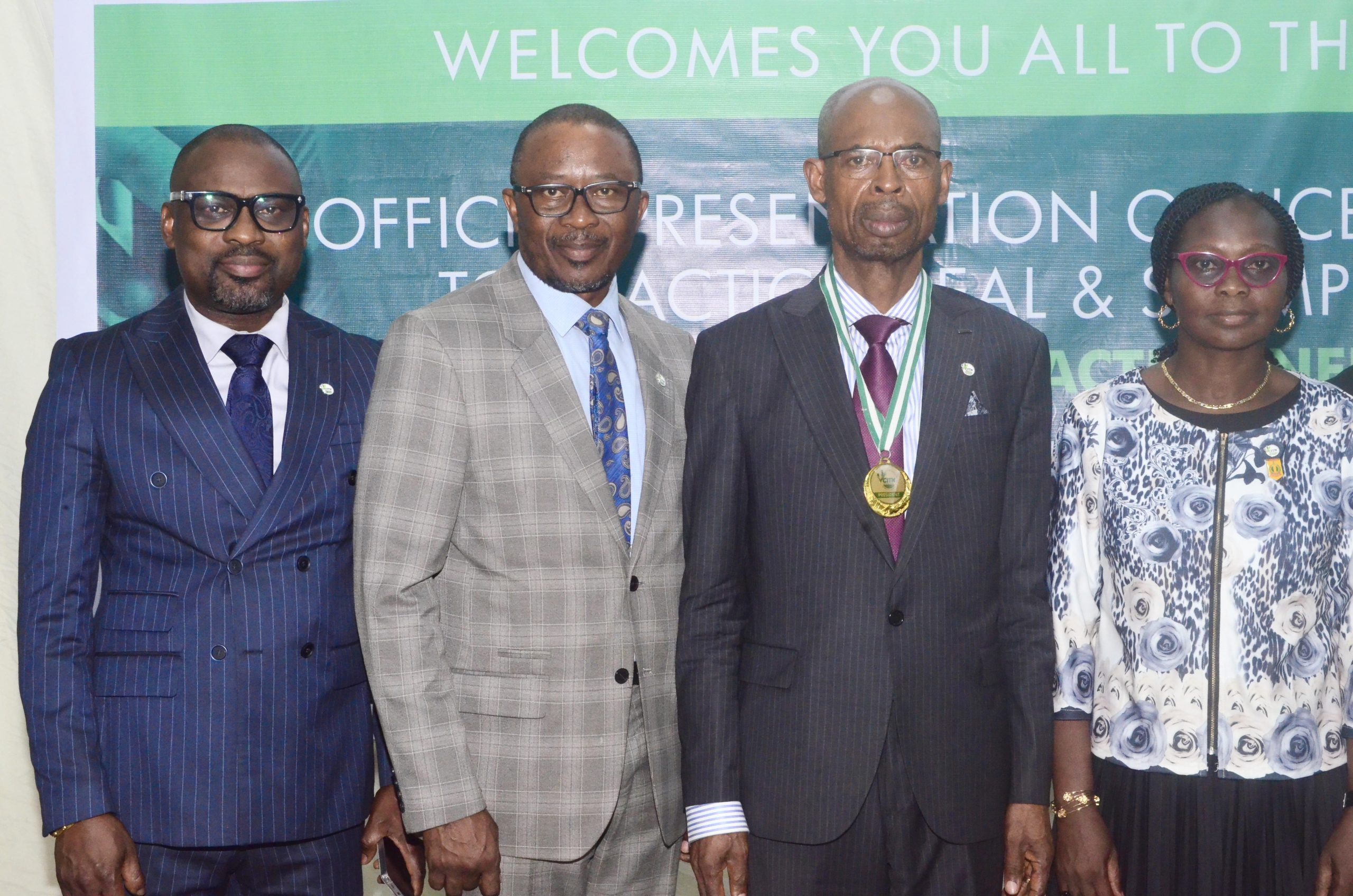
The 17th President/Chairman of Council of CITN, Mr Innocent Ohagwa, who gave this assurance at the presentation of practising licences to 89 newly qualified tax professionals, with the theme, ‘Integrity in Tax Practice: Ethics, Professional Conduct and Accountability in Nigeria’s 2025 Tax Era’, also avowed to support the government to ensure that only qualified tax professionals are considered as tax agents and placed in relevant ministries, departments and agencies.
Describing the ceremony as symbolic and significant, the CITN President restated the high premium the Institute places on professionalism, competence and integrity in the practice of taxation in Nigeria.
“With the coming into force of the New Tax Reform Acts on 1 January 2026, Nigeria has entered a new tax era – one that seeks efficiency, fairness, transparency and alignment with global best practices. These reforms are ambitious in scope and their success will depend largely on how well they are interpreted, implemented and communicated by you and other stakeholders.
“Taxation, as a specialised and sensitive profession, must only be practised by individuals who are properly trained and certified. Taxation, as it were, is a multidisciplinary field and does not only focus on the past, but the present and future.”
Ohagwa, who was represented by the Vice President, Mr Simon Nwanmaghyi Kato, reminded them that the certification comes with a weighty responsibility, saying: “Council expects you to be guided at all times by the provisions of the Institute’s Charter, the Professional Rules and Practice Guidelines and the Statements of Taxation Standards (STS 1–9). These instruments should be your professional compass at all times.
“You are expected to demonstrate full compliance with extant tax laws and all relevant regulations issued by the relevant constituted authorities, i.e. Office of the Tax Ombuds and the Joint Revenue Board, as well as relevant tax authorities.
“You must also hold in the highest esteem the core values of the Institute, articulated as Service, Teamwork, Excellence and Professionalism (S.T.E.P.). These values must not only define how you practise, but also how you engage taxpayers, businesses, public institutions and society at large.”
The tax management expert cautioned: “The Institute will not hesitate to apply disciplinary measures where cases of misconduct are reported and established. Our Investigating Panel and Disciplinary Tribunal remain vigilant and empowered to protect the integrity of the profession. Professional licence is a privilege and it must be safeguarded by ethical conduct.
Other News
“Individuals, businesses and even public institutions will look up to you for guidance. You will be the bridge between policy and practice; between legislation and compliance. Your role is not merely to advise, but to help build trust in the system, encourage voluntary compliance and ensure that the objectives of the reforms translate into measurable outcomes for government, the economy and the populace at large.”
He averred that CITN would not compromise on ethics, professionalism or continuous learning. “The tax landscape is evolving rapidly and your technical competence must remain current, relevant and responsive to emerging fiscal realities. You must uphold the highest standards of technical competence and professionalism at all times.”
Similarly, the Chairman, Membership and Professional Conduct Committee, Dr Yemi Sanni, in his address, added that the tax practice licences issued were a mark of professional maturity and of the Institute’s unwavering commitment to integrity, competence and public trust. “It is a seal of credibility. And above all, it is a licence to serve the public.”
To qualify for this licence, he maintained that candidates must have demonstrated deep technical competence built over years of structured training and practice, proven professional experience under supervision, a clear understanding of ethical obligations and professional conduct, and a track record that aligns with the Institute’s standard of integrity and discipline.
He warned that the licences are not permanent entitlements, but a privilege sustained only by compliance with professional standards, ethical conduct, quality assurance reviews and lifelong learning.
Sanni explained that the same Institute that issued the licences also reserves the authority and indeed the responsibility to withdraw same where practitioners fall short of its expectations.
“Use these licences with humility, defend it with courage and protect it with integrity. You have joined a community of professionals entrusted with a powerful mandate. The Institute will not lower the bar because Nigeria deserves nothing less,” he admonished.
In a paper presentation, the Head of Consumer & Industry Market at KPMG, Mr Tayo Ogungbenron, posited that strong relationships and good communication skills are essential for tax professionals to promote transparency and enhance mutual understanding between tax professionals and taxpayers. “Healthy relationship and communication are key,” he stressed.
An inductee, Mr Chimaroke Nwaji from Go-Getter Professional Consult, commended the Institute for its efforts in ensuring that only competent members are allowed to practise, as he promised to deliver even beyond expectations.