Follow Us on Google

From Juliana Taiwo-Obalonye, Abuja
Civil society groups, Civil Society Legislative Advocacy Centre (CISLAC) and Transition Monitoring Group (TMG) have decried the widespread voter apathy, logistical failures and alleged political meddling in recent elections across the Federal Capital Territory (FCT), Rivers and Kano states, warning that Nigeria’s democracy risks turning into a selection rather than a true contest.
“When citizens no longer turn out to vote, it is no longer an election but a selection,” declared Auwal Musa Rafsanjani, Executive Director of CISLAC and TMG, in a statement.
According to him, the polls were largely peaceful but marred by deep-seated flaws, describing the trend as dangerous for democratic governance as Nigerians lose faith in the process.
Nigerians, he warned, are gradually losing trust in the electoral process, a trend he said is dangerous for democratic governance.
The group noted that the turnout was cratered, logging as few as 10 voters casting their ballots throughout the day in some units. “Persistent voter apathy poses a serious threat to democratic participation and public confidence in elections,” the statement cautioned.
Persons with disabilities faced outright barriers. TAF Africa (formerly The Albino Foundation) and the Joint National Association of Persons with Disabilities reported polling units in rural FCT spots like Kwali and Abaji inaccessible to wheelchair users. Over 60 percent lacked magnifying glasses or Braille posters, despite INEC pledges. “We call for a comprehensive audit of INEC’s assistive tools,” the observers demanded.
In Abuja Municipal Area Council, the group said: “Late deployment of personnel and election materials pushed openings behind schedule. Women endured alleged voter suppression via economic intimidation in dense areas, widening participation gaps.”
They blasted the FCT minister, Nyesom Wike for interfering by appearing at multiple polling units across Abuja. “His presence was inappropriate and potentially undermining the credibility of the process, especially as he is not a registered voter in the FCT and holds no constitutional role in the conduct of elections,” the groups insisted
Other News
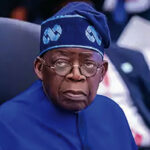
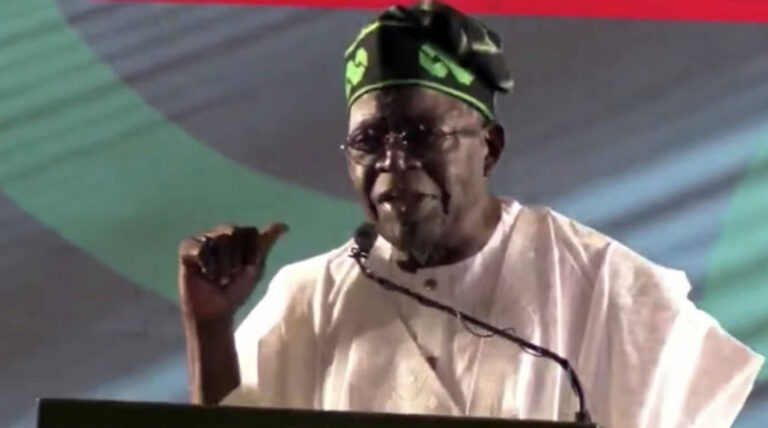
CISLAC and TMG urged President Bola Tinubu to act, saying, “Ensure that all public officials comply strictly with the law and refrain from actions that could erode public confidence in the electoral process.”
They decried a pre-poll curfew as a turnout suppressor.
The statement also noted that unannounced polling shifts bred “confusion among voters and may have led to disenfranchisement,” alongside incidents of vote buying. “In Rivers, a security siege via heavy militarisation of local government areas discouraged participation, particularly among women, who traditionally make up a significant portion of early morning voters,” the groups charged.
The statement also noted that the Kano and Rivers bye-elections excluded major parties from ballots, with no INEC explanation. “The absence of key opposition parties from the ballot in Kano is suspicious and unusual,” CISLAC and TMG noted, as “major parties are rarely missing from elections in the state.” Affected parties cried foul over denied “constitutional rights.”
In Kano, the Centre for Information Technology and Development’s gender desk slammed new councils: “The complete absence of women in the leadership failed to reflect the state’s gender diversity and represented a setback for the 35 percent affirmative action goal, especially amid a ruling party sweep.”
The statement further noted that INEC’s IReV portal went dark during collation, prompting calls for the highest standards of integrity, transparency and professionalism.
“Security must show strict impartiality, particularly at collation centres,” the statement insisted.
These polls, CISLAC and TMG said, are an “early warning for future general elections.” They vowed to champion electoral reforms, promoting transparency and deepening democratic accountability across Nigeria.