Follow Us on Google
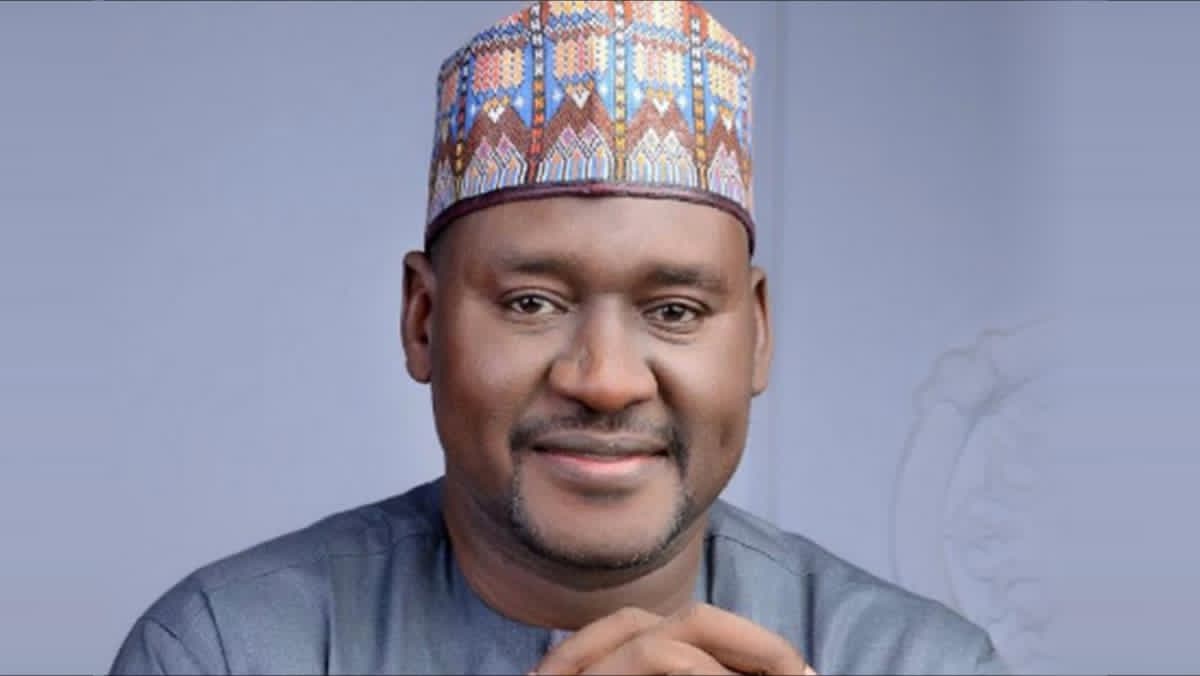
From Juliana Taiwo-Obalonye, Abuja
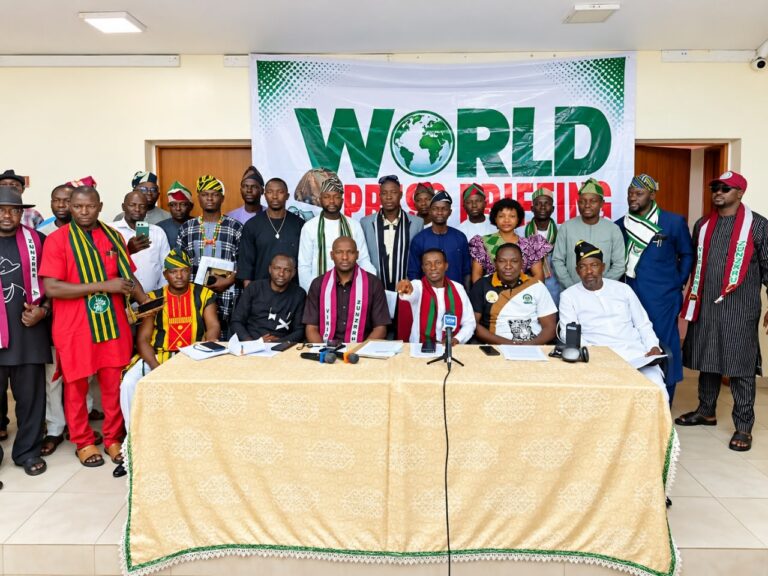
The Civil Society Legislative Advocacy Centre (CISLAC) and Nigeria’s chapter of Transparency International, has expressed deep concern about a perceived rise in judicial corruption, warning that it threatens the country’s anti-corruption crusade, democratic stability and rule of law.
In a statement, CISLAC’s Executive Director, Auwal Musa Rafsanjani, lamented that recent court rulings have undermined the efforts of key law enforcement agencies, such as the Economic and Financial Crimes Commission (EFCC) and Independent Corrupt Practices and Other Related Offences Commission (ICPC), with several high-profile corruption cases dismissed despite what the organisation described as ‘impeccable evidence.’
Rafsanjani highlighted judgments by Justice Chukwujekwu Aneke of the Federal High Court, who has controversially discharged cases involving the former Chief of Air Staff, Air Marshal Adesola Amosu, and former Ekiti State Governor, Ayodele Fayose, among others. The cases involved billions of Naira in alleged misappropriation and money laundering.
Other News
“These rulings cast a dark shadow over the justice system,” Rafsanjani said. “The judiciary must rise above allegations of inducement and partisanship. Nigerians deserve a justice system that upholds the rule of law and protects the rights of the people, not one that serves the interests of the powerful. If the judiciary fails, democracy and justice are both at risk.”
CISLAC urged financial scrutiny of judges whose lifestyles appear inconsistent with their earnings, calling on agencies like the EFCC and the Nigerian Financial Intelligence Unit (NFIU) to investigate possible undue political influence, including allegations linked to luxury housing facilitated by Minister of Federal Capital Territory, Nyesom Wike.
The Centre also called on the National Judicial Council and the Code of Conduct Bureau to enforce discipline, transparency and regular asset declarations within the judiciary.
CISLAC called on citizens, media and civil society groups to hold the judiciary accountable before its credibility suffers irreversible damage, both nationally and internationally.