Follow Us on Google

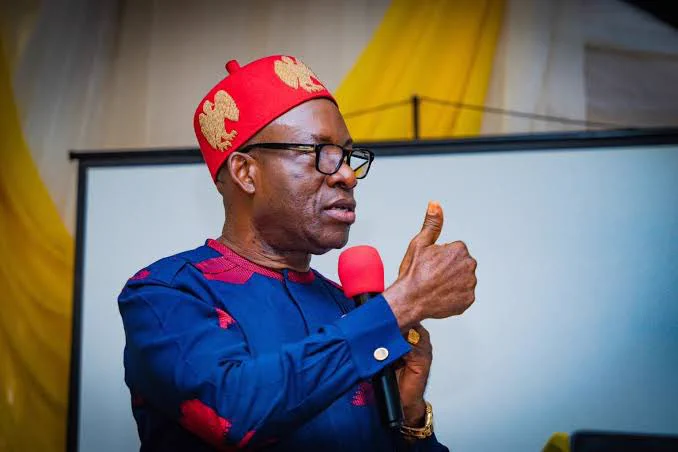
The National Director of Special Duties of the City Boy Movement, Isaac David Balami, has alleged that Christians in Northern Nigeria were previously denied university admission, employment and promotion in some instances because of their names.
Balami said the situation had created years of hardship for Christian communities in the region, arguing that citizens should not be discriminated against on the basis of their religious or ethnic backgrounds.
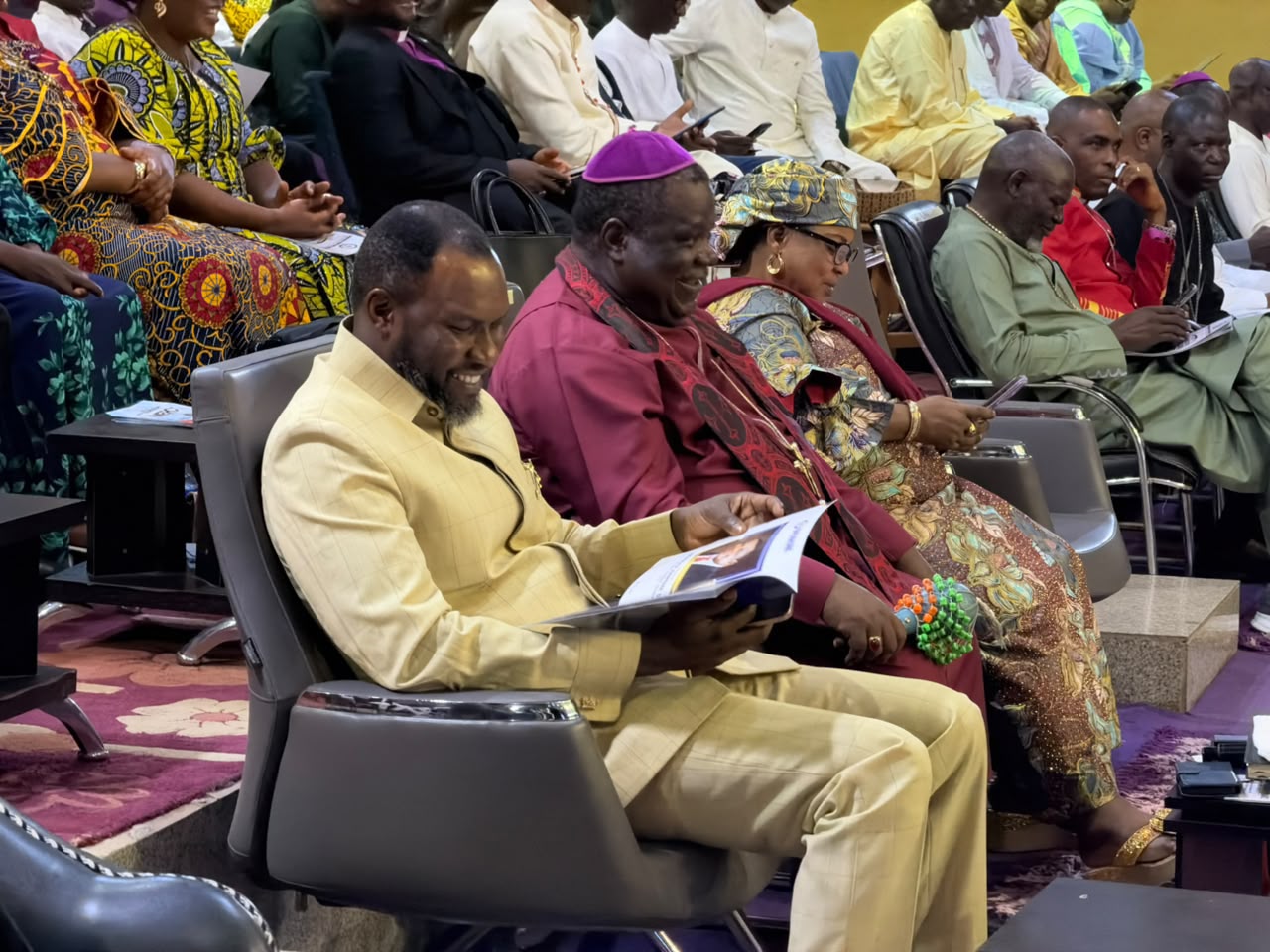
He made the remarks while addressing Christian and religious leaders in Abuja, where he called on the Church to become more actively involved in politics and national leadership.
On the sideline of the event, Balami said the country needed to confront uncomfortable truths about the experiences of Christian communities, particularly in Northern Nigeria.
“This is the moment of truth. These are times we should just stop lying to ourselves. Lies have brought this country to its knees. Lies have deceived us that people have endured what we have endured,” he said.
Recalling what he described as past experiences of religious discrimination, Balami said there was a time when certain names could prevent Christians from gaining admission into universities, securing employment or receiving promotions.
“There used to be a time in this country where with certain names, you can’t secure an admission into the university, gain employment or be promoted,” he said.
However, he argued that President Bola Tinubu had demonstrated a different approach to governance by treating Nigerians as citizens irrespective of their religious and ethnic identities.
“But President Tinubu came and said this must not continue. President Bola Ahmed Tinubu is not taking us like that. He is taking us as Nigerians,” Balami added.
He urged Christian leaders to recognise the importance of political participation, saying the Church could no longer afford to remain detached from leadership and governance.
According to him, the early missionaries who introduced Christianity and formal education in many communities did not adequately prepare the Church for political leadership.
“The missionaries taught us everything but failed to teach us leadership. The Church abandoned leadership, hence Agbero took over leadership, and that has to change,” he said.
Balami said the Christian community needed to unite and take responsibility for shaping Nigeria’s political direction, particularly as the country approaches the 2027 general elections.
Quoting John 17:22, he stressed the importance of unity within the Body of Christ, arguing that disunity had weakened the Church’s ability to influence national affairs.
He also urged Christian and traditional leaders to mobilise support for Tinubu’s re-election, insisting that the administration had been fair to different ethnic nationalities.
Balami acknowledged that the impact of government reforms might not be felt immediately but urged Christians not to make what he described as the mistake of voting Tinubu out in 2027.
“We should not make a mistake as a Body of Christ to vote President Bola Tinubu out. We will regret it,” he said.
He maintained that his position was not motivated by personal benefits from the administration, claiming that he had neither received an appointment from the government nor secured a government contract.
The City Boy Movement director also called for an end to what he described as the practice of exploiting Middle Belt communities during elections and abandoning them when political appointments and opportunities are distributed.
He recalled that some political leaders received substantial support from Northern communities during the 2023 elections but failed to adequately recognise the region when it came to sharing political responsibilities.
Balami said Middle Belt leaders and younger generations were now determined to demand fairness, inclusion and equal opportunities in the country’s political system.
He cited recent engagements between prominent Middle Belt leaders, including General Theophilus Danjuma and former Speaker of the House of Representatives, Yakubu Dogara, with the President and other government officials, as part of efforts to address the region’s concerns.
He further called on wealthy Christians to extend their resources to less privileged members of society, insisting that believers should not concentrate wealth within their immediate families while others in their communities struggle.
“If God has blessed you, bless others. As believers, we should not be selfish. We should not wait for the government to do everything,” he said.
Using his community of Shaffa as an example, Balami urged affluent Nigerians to invest in education, welfare and opportunities for disadvantaged people.
He also appreciated Kaduna State Governor, Uba Sani, for sending a representative to the gathering and acknowledged the presence of the Esu Karu.
Balami’s remarks come amid growing political engagement by Middle Belt stakeholders ahead of the 2027 general elections, with calls for greater representation, inclusion and recognition of the region’s interests in national affairs.