Follow Us on Google
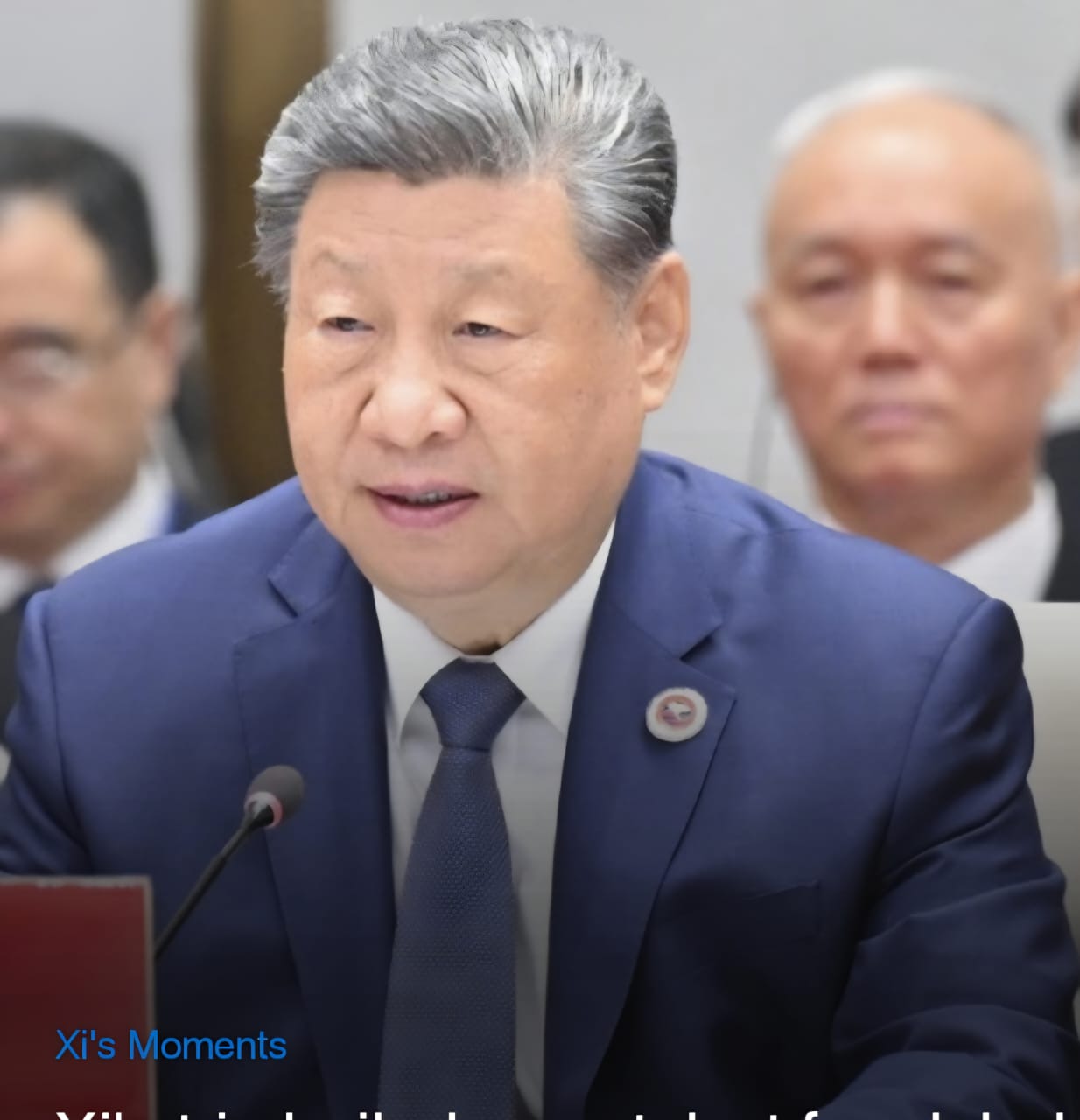
International officials and experts, have commended Chinese President Xi Jinping’s recent trip to Africa and Central Asia, saying that the move was a catalyst for global certainty and cooperation.
According to China Daily, the officials and experts noted that Xi’s visit injected the much-needed certainty and positive momentum into efforts to ease regional tensions and promote global peace and development.
Recall that President Xi landed in Beijing on Thursday after attending the Shanghai Cooperation Organization (SCO) Summit 2026 in Bishkek, Kyrgyzstan, and also paid official visits to Kyrgyzstan and Egypt.
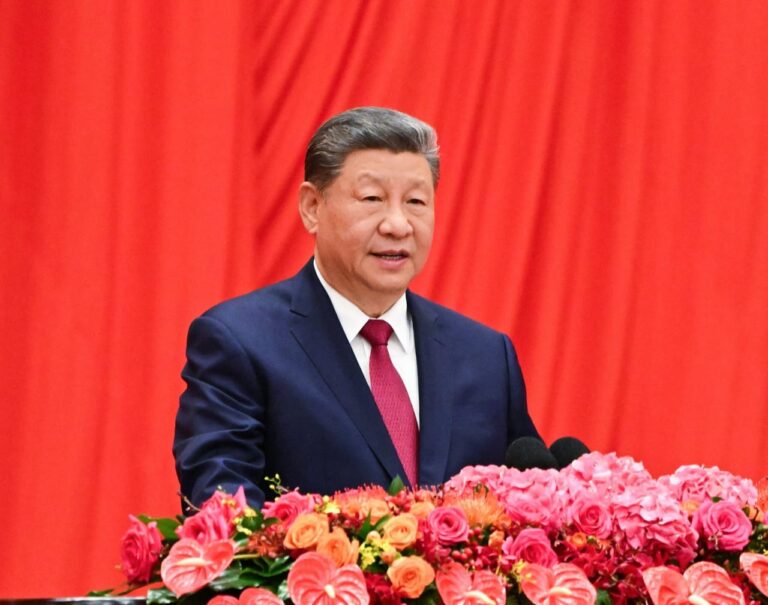
Speaking at the 26th Meeting of the Council of Heads of State of the SCO in Bishkek, Xi made a four-point proposal whereby he urged the SCO to shoulder its historical responsibility and steer the course for the future.
The Chinese President also called on the SCO to stay committed to putting development first, and open up the prospects for shared prosperity; stay committed to taking security as a key goal and foster an environment of common security; stay committed to a people-centered approach and cement the foundation for everlasting friendship; and stay committed to dialogue and consultation, while striving for more equitable and orderly governance.
X-raying President Xi’s outing, the President of Daily Ittehad Media Group and the Pakistan Economic Network, Tahir Farooq, said Xi’s remarks was “timely and constructive, particularly in outlining a vision for the future of the Shanghai Cooperation Organization and for broader global cooperation.”
“His four-point proposal rightly places development, security, people-to-people relations and dialogue at the center of sustainable peace and prosperity. President Xi’s message reinforces the importance of multilateralism at a time when the international community is facing increasing uncertainty and geopolitical tensions,” Farooq said.
Also speaking, a former director of the South Asia Studies Centre at the University of Rajasthan in India, Karori Singh, noted that in his remarks, Xi underscored four interconnected major points — development, security, a people-centered approach, and the principle of equality in governance through dialogue and consultation.
“That is the secret of SCO’s success,” Singh said.
On his part, the Director of the Centre for Governance and Sustainability at the National University of Singapore Business School, Lawrence Loh, said Xi has laid out a clear and coherent road map for regions and countries around the world to join hands in achieving the common good for all, which will lay the foundation for global unity through peaceful means.
“At these times of increasing global fragmentation, the SCO presents a viable platform for purpose-driven collaboration among its member countries and those outside the consortium as well,” Loh said.
Commenting on the international shuttle, the Executive Director of the Africa-China Centre for Policy and Advisory, a think tank based in Ghana, Paul Frimpong, highlighted Xi’s emphasis on development and the evolving direction of development cooperation.
“We are now talking not only about infrastructure and trade, but increasingly about AI, the digital economy, green industries and technological cooperation. I think this is quite significant for the wider Global South,” Frimpong said.
Adding his voice, Pakistan’s Permanent Representative to the United Nations, Asim Iftikhar Ahmad, hailed China’s important role in global governance through the four global initiatives — the Global Development Initiative, the Global Security Initiative, the Global Civilization Initiative and the Global Governance Initiative.
“And coupled with that, a deep attachment and commitment to the UN and respect for international law and the purposes and principles of the Charter,” Ahmad said.
China Daily further reports that while in Egypt, Xi raised a four-point proposal on building a new security architecture in the Middle East, offering a Chinese solution for achieving long-term peace and stability in the region.
He also put forward the proposal in his talks with Egyptian President Abdel Fattah El-Sisi, calling for unleashing internal drivers, advancing an integrated approach, cementing the foundation of development and enhancing international coordination.
Speaking about the visit, a Senior Researcher at the Dubai Public Policy Research Centre in the United Arab Emirates, Rasha Al Joundy, said Xi’s visit to Egypt came at a critical juncture as escalating tensions between the United States and Iran have threatened regional security, with major risks to maritime safety and the global economy.
She said the proposal served as a credible initiative to safeguard stability and prevent tensions from worsening.
“By putting forward this new security architecture at such a delicate moment, President Xi signals a concrete plan and China’s active role in the process. China’s mediation behind the Saudi-Iran de-escalation deal remains a landmark step toward Gulf stability,” she said.
In his view, a Researcher at the Al Riyadh Center for Political and Strategic Studies in Saudi Arabia, Abdulaziz Alshaabani, said the four-point proposal highlighted a fundamental reality – Achieving durable Middle East peace requires not only conflict management, but also the broader building blocks of stability, including development, security and regional cooperation.