Follow Us on Google

- Naira gains 6% as Cardoso vows to defend economy with reserves
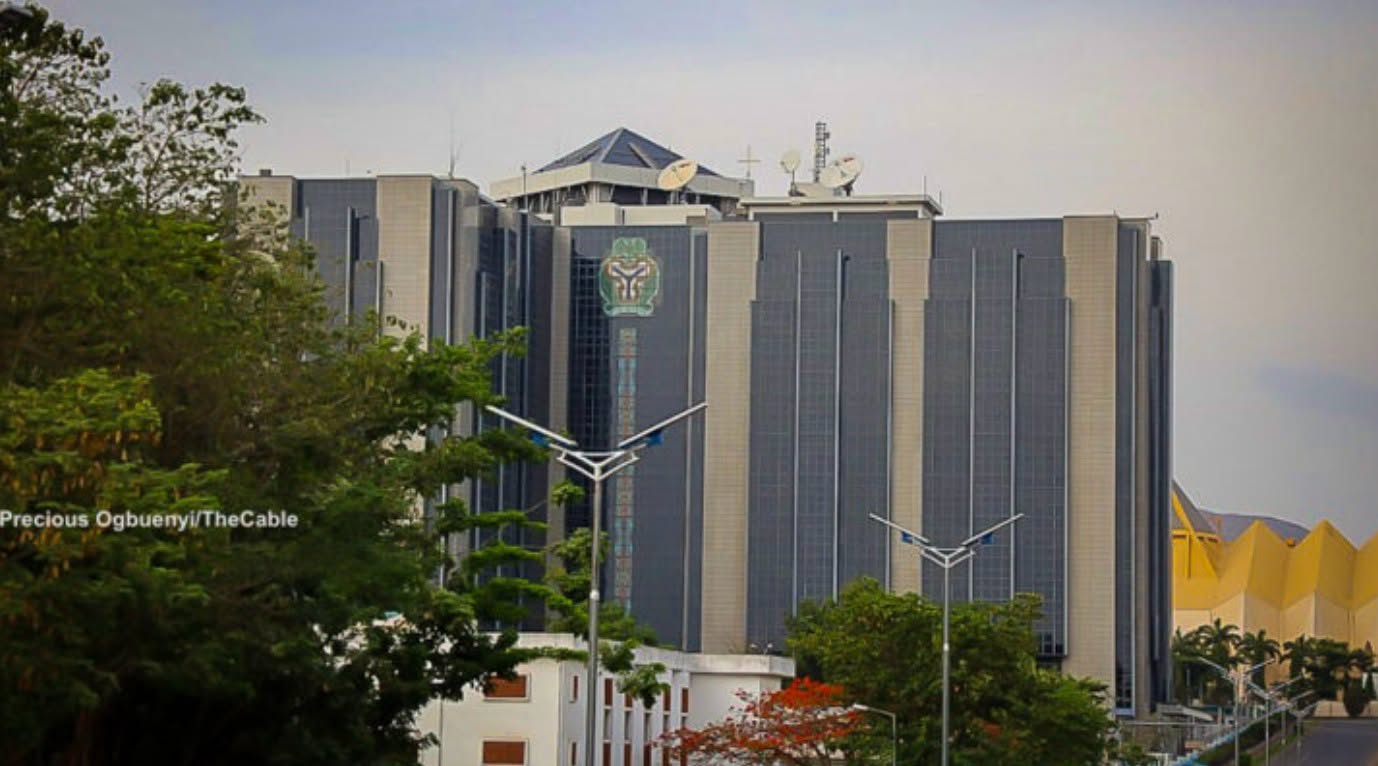
The Central Bank of Nigeria (CBN) Governor, Olayemi Cardoso, has disclosed that monthly remittances from Nigerians in the diaspora have reached the $1 billion target he earlier set, revealing that the apex bank eyes an increase to $1.5 billion by the first quarter of 2027.
Cardoso, who spoke at the 61st annual dinner of the Chartered Institute of Bankers of Nigeria (CIBN) in Lagos on Friday, said the improvement reflected growing confidence in Nigeria’s financial system and efforts to strengthen the channels through which money is sent into the country.
He commended International Money Transfer Operators (IMTOs) for strengthening the platforms that have supported the growth in remittance inflows, particularly operators in Asia.
According to him, the CBN is determined to sustain the momentum and attract more foreign exchange through formal channels, which would help improve the country’s external reserves and support stability in the foreign exchange market.
The governor also disclosed that the naira had strengthened by six per cent, expressing confidence that Nigeria was now in a better position to withstand external economic shocks than it was three years ago.
He said the country had made progress in strengthening its capacity to manage external pressures, adding that the CBN was prepared to deploy part of its foreign reserves when necessary to reduce the impact of unexpected developments in the global economy.
Cardoso explained that the country’s improved capacity to respond to external shocks was important at a time when changes in global interest rates, commodity prices and international financial conditions could affect Nigeria’s economy.
He stressed that the apex bank would continue to prioritise stability in the financial system while supporting businesses, particularly exporters and companies involved in international trade.
The CBN governor also turned attention to the need to improve customer protection and the quality of banking services, warning that customers should not be made to suffer because of problems within the banking system.
He said it was unacceptable for bank customers to be forced to understand the complicated structure of financial institutions before they could resolve problems arising from banking transactions.
“Consumers shouldn’t be subjected to the complexities of the banking landscape when something goes wrong. It’s not acceptable. It has to stop,” he said.
Other News
Cardoso’s comments highlight the need for banks and other financial institutions to take greater responsibility for resolving customer complaints, particularly as electronic transactions become more common.
He noted that although more Nigerians were now using financial services, access alone was not enough to achieve meaningful financial inclusion.
The governor disclosed that about 79 per cent of Nigerian adults currently use either formal or informal financial services, while 64 per cent have access to or use digital financial services.
However, he expressed concern that only about 10 per cent of adults obtain loans through formal financial institutions, pointing to the limited access to bank credit despite the growing use of financial services.
He explained that financial inclusion should go beyond opening bank accounts or allowing people to carry out electronic transactions. It should also ensure that households have access to formal banking services and that businesses can obtain the funds they need to grow.
According to him, not every household should be encouraged to borrow money, as excessive borrowing could expose families to financial difficulties.
However, he said businesses should have access to affordable and appropriate credit to expand their operations, invest in equipment, employ more workers and contribute to economic growth.
The governor’s position suggests that the next phase of financial inclusion should focus more on making financial services useful to individuals and businesses rather than merely increasing the number of people with bank accounts.
For small businesses, access to credit remains important because many struggle to raise funds for daily operations, expansion and the purchase of equipment.
Cardoso said the CBN remained committed to maintaining financial system stability while creating an environment that supports productive businesses and international trade.
He specifically highlighted the importance of supporting exporters, noting that businesses earning foreign exchange through exports play an important role in strengthening Nigeria’s external position.
The growth in diaspora remittances is also significant because money sent home by Nigerians abroad provides foreign exchange for households and businesses, supports consumption and helps meet the country’s demand for dollars.