Follow Us on Google
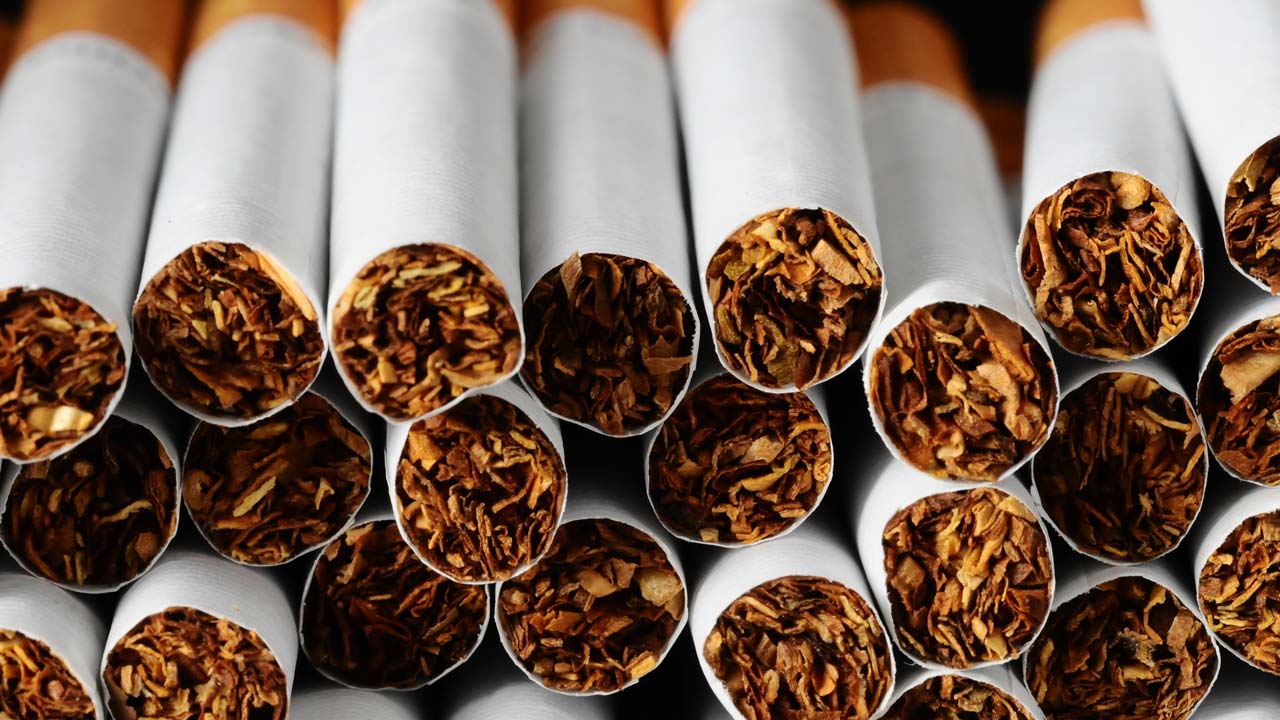
Nigeria is sub-Saharan Africa’s third-largest tobacco market. Each year, an estimated 19 billion cigarettes are consumed by about 3.2 million smokers. The consequences are devastating: smoking causes cardiovascular and lung diseases, various cancers and premature death for half of regular users.
To curb this epidemic, the World Health Assembly adopted the World Health Organization (WHO) Framework Convention on Tobacco Control (FCTC) in 2003. Nigeria, a signatory to the treaty, has pledged to implement evidence-based policies such as bans on advertising, indoor smoking restrictions, strong health warnings, and—most effectively—tax increases.
Excise taxes, levied on harmful products like tobacco, alcohol, and sugary drinks, remain the single most powerful tool for reducing tobacco use. Price hikes work—even with addictive products. Some smokers may persist, but many will cut back, quit, or never start. Global studies consistently show that a 10% price increase reduces cigarette consumption by 4–8%. Young people, with less income and lower levels of addiction, are especially sensitive to price changes, making tobacco taxes a particularly effective shield for the next generation.
Yet Nigeria lags woefully behind. The country’s hybrid system combines a specific tax of N104 per pack and an ad valorem tax of 30% of production value. On a N500 pack of cigarettes, all taxes—including VAT—make up just 30% of the retail price. That is far below the WHO benchmark of 75%.
Regionally, Nigeria also falls short. In 2017, ECOWAS directed member states to apply a minimum ad valorem tax of 50% and a specific tax of $0.40 per pack—about N600 today. Nigeria meets neither requirement. Even at its peak in 2022, the specific tax stood at just $0.19, less than half the ECOWAS minimum. As the region’s largest economy and a self-proclaimed leader, Nigeria can—and must do better.
The benefits of compliance are clear. Ghana and Cabo Verde, which have fully implemented the ECOWAS directive, saw cigarette consumption fall while government revenues rose. Nigeria, which revises its tobacco tax regime every three years, has a crucial opportunity: the current policy ends in June 2025, with a new regime due in January 2026.
Simulation studies by the WHO FCTC Knowledge Hub on Tobacco Taxation at the University of Cape Town show that aggressive hikes—such as a six-fold increase over several years—would both boost government revenue and cut smoking prevalence, with profound health benefits. Predictably, the tobacco industry will resist. It will argue that higher taxes fuel illicit trade, destroy jobs, and fail to curb smoking. These claims are self-serving and weak. Evidence from multiple countries has thoroughly debunked them. Meanwhile, tobacco use in Nigeria causes nearly 16,000 deaths every year and drains more than N200 billion annually in economic costs.
The government must make a choice: continue to shield an industry that profits from addiction and disease, or protect the lives and wellbeing of its people by enforcing ECOWAS standards and WHO recommendations. As the authors argue: “The choice should not be hard.”