Follow Us on Google
By Chukwuma Umeorah
Amid Nigeria’s ongoing economic challenges, the call for bold fiscal reforms to drive sustainable growth and stability has intensified. With a tax-to-GDP ratio of less than 10 per cent, among the lowest globally, experts emphasize the urgency of diversifying revenue sources, curbing dependency on oil, and addressing structural issues undermining economic resilience.
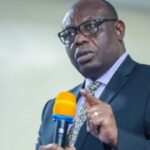
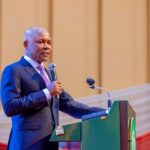
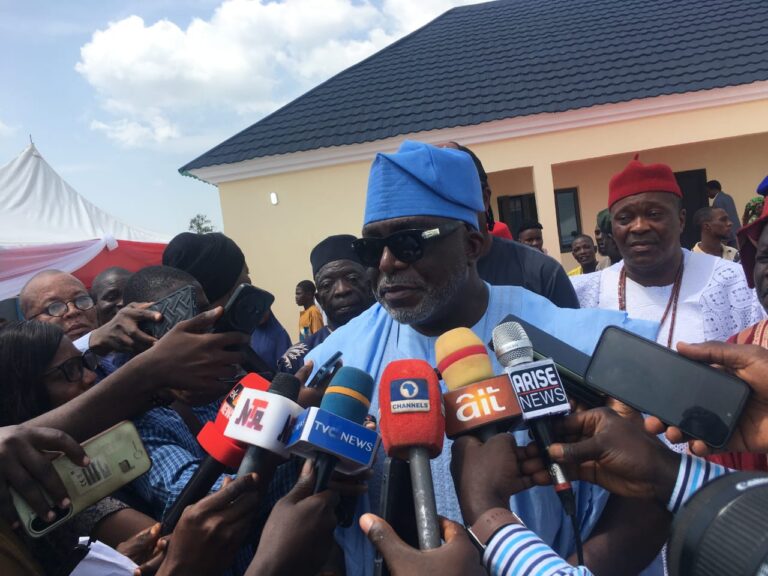
Peter Nwachukwu, President of the Madonna University Alumni Association and a leading voice on financial management, reinforced this perspective while addressing journalists at a the Peace Achievers Awards held recently in Abuja.
Nwachukwu highlighted the untapped potential in Nigeria’s fiscal framework, stating, “Nigeria’s low tax revenue limits its ability to fund development, curb borrowing, and reduce inflationary pressures.” He proposed empowering states to harness unique resources, fostering fiscal autonomy and innovation.
He linked national security to economic stability, emphasizing how insecurity disrupts agriculture, weakens investment, and fuels inflation. “Fiscal reforms must address root causes like unemployment, poverty, and inequality,” he noted. “Creating employment and empowering marginalized communities can reduce social tensions and foster stability.”
He also underscored the importance of aligning fiscal and monetary policies to ensure sustainable growth. “Stable interest rates, inflation control, and targeted credit facilities for sectors like agriculture, technology, and manufacturing are vital. Effective collaboration between fiscal authorities and the Central Bank is essential to maintaining price stability and a predictable exchange rate,” Nwachukwu stated.
Nwachukwu was recognized with an Award in Financial Management and an Honorary Doctorate in Leadership and Financial Management from the American Management University. He urged stakeholders to embrace bold, innovative reforms that unlock opportunities for all Nigerians. “The solutions to our challenges lie in strengthening fiscal federalism, prioritizing human and infrastructural development, and driving inclusive prosperity,” he said.