Follow Us on Google
From Juliana Taiwo-Obalonye, Abuja
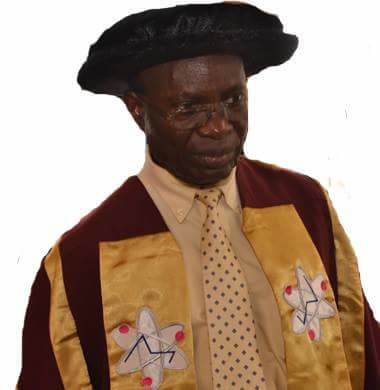
Renowned engineer, former Director-General of the National Office for Technology Acquisition and Promotion (NOTAP), and public administrator from Adamawa State, Dr. Umar Bindir, during a compelling lecture titled “Knowledge-to-Wealth Pathways” at Nasarawa State University Keffi’s (NSUK) 8th Combined Convocation and 25th Anniversary on Friday, April 10, 2026, lambasted the disconnect between Nigeria’s vast knowledge resources and real-world impact, insisting universities must produce “the right knowledge” that is “properly processed” to achieve food security, healthcare, and economic inclusion. “Knowledge and know-how, if it is coming from a university like this… you must measure the evidence. If you don’t measure it, you will end up with things that will show you that you’re wrong,” he declared, urging no tolerance for substandard facilities or behaviors on campus.
He outlined three levels of monetized knowledge: first, ensuring food security and basic healthcare to eliminate infant mortality; second, skill-based economic participation where “engineers are good in engineering skills” and milk production rivals the UK’s two pints per student daily; third, world-class institutions designing roads, trains, power systems, satellites, and biotech-enhanced “cows” for global respect.
He lamented the situation where Nigeria is blessed with gas and other resources yet battles no electricity. “You have gasoline, you have solar, you have wind, and you have knowledge, but you don’t have power. It doesn’t work like that,” Bindir stressed, highlighting untapped potential in Nigeria’s 220 million population needing just one glass of milk daily.
Criticising policy flip-flops from the 1960s “Operation Wetie” industrialisation to failed MDGs, SDGs, and even the current “Renewed Hope” agenda, he noted, “Knowledge for development doesn’t like us.” Despite satellites in orbit, top African professorship rates, and innovations like tree-shade science kits, absolute poverty rises, with 60% in rural areas lacking roads even though the country produces bitumen, desks in classrooms even though it produces timber, or proper cassava processing despite 580 experts on that field. “We can export timber, but we cannot make tables and chairs for our children,” he lamented, showing slides of floor-sitting pupils and manual farming.
Bindir advocated evidence-based policies over disconnected documents like Nigeria’s science, Intellectual Property (IP), and education policies, high research and development investment (5-10% of GDP like advanced nations), strategic tech acquisition in agriculture, and top-leader buy-in as in Japan.
He illustrated with South Korea’s post-1960s transformation via knowledge deployment. Universities must align science (PhDs, publications), technology (patents, IP transfer via licensing or sales), and innovation (industry connectivity involving lawyers and managers) into an overlapping “value chain.” “Innovation is not creativity and intelligence. Innovation is connectivity. If you don’t have money, your innovation is not working,” he asserted.
Drawing from personal triumphs, Bindir recalled inventing a gravel combine harvester in the UK, transforming Fulani herder sisters via Campina training into milk sellers who sparked yogurt ventures, and NOTAP’s N300 billion savings. He warned against “subsistence” research failing commercialization, like akara projects ignoring oil varietals. No Nigerian university measures knowledge generated, transferred, and monetized value, he said, calling for alumni-supported industrialization policies banning imports like powdered milk.
Governor of Nasarawa State, Abdullahi Sule credited his administration for 30% of NSUK infrastructure in six years and full salary payments ending strikes. “When I came in as governor, this university was not what it is today… 30% of what you see today happened in the last six years,” he said. Sule noted automatic scholarships plus skills training for first-class graduates: “All your first class students… we gave them automatic scholarship to go and have a skill. And after having the skill, you give them something.”
Sule highlighted executive orders mandating lithium local processing, creating Nigeria’s top three plants, with N200m community payouts. “Until we make up our mind that this is the fact… The government must provide leadership… when all of us must come together,” he urged, citing recycled policies like Vision 20:2020’s unmet power targets. He added that Nasarawa was proud to host Africa’s first NIPR University of Public Relations and Leadership, that is currently being built.
Vice-Chancellor NSUK, Prof. Sa’adatu Liman tied Bindir’s lecture to “translating knowledge into economic growth, revitalizing the tertiary education system.” “The title… addresses a critical gap in Nigeria’s educational system,” she noted. Liman stressed reflection on 25 years: “Reflect on the transformative power of education in shaping nations and economies.”
She celebrated milestones in academic excellence, infrastructure, and relevance.
Pro-Chancellor Prof. Attahiru Jega noted NSUK’s merit-based recruitment and infrastructure gains make it Nigeria’s best state university. “The university was established on the best principles… Lecturers were recruited on merit,” he said. Jega called for stakeholder input: “All stakeholders to continue to contribute positively.”
He observed rising rankings under Liman: “When you look at the ranking of the University, you see that the University has grown.” He projected postgraduate potential: “Our university will one day become a postgraduate university.”
The Secretary to the State Government, and Alumni of the university, Dr. Labaran
Magaji, who pursued terrorism law after prior degrees, producing “Enforcement of Terrorism in Nigeria and its Impact on Human Rights—the first of its kind.” “Nasarawa State graduates are one of the best graduates you can ever find,” he stated. Magaji credited rigorous training: “They didn’t take any chance in really making sure the product… can stand the test of time.”
Chancellor of the university, Alhaji Shehu Chindo Yamusa III, Polish Ambassador and the EU Ambassador and the ECOWAS and the founder of the university and former governor of the State, Abdullahi Adamu among others gave their goodwill messages.