Follow Us on Google
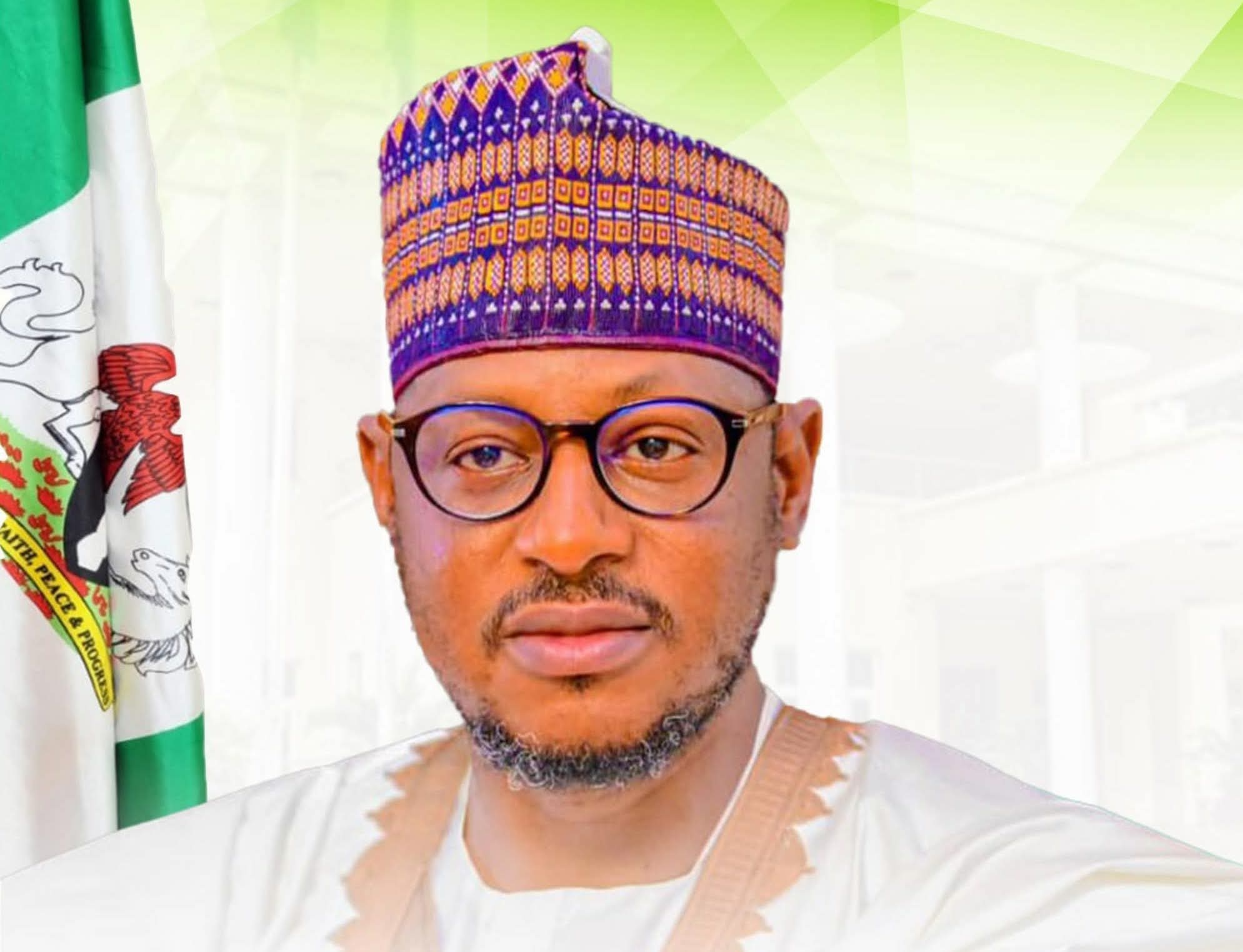
By Zainab Ibrahim Rafindadi
Infrastructure is often reduced to concrete, asphalt and ceremonial ribbons. Yet its true value lies elsewhere: in the trader who reaches the market faster, the commuter who travels more safely, the investor who sees opportunity and the community that no longer feels forgotten. By that measure, Governor Dikko Umaru Radda’s infrastructure agenda deserves attention not merely for what is being built but also for the development philosophy it increasingly represents.
The reconstruction and dualisation of the 3.9-kilometre Funtua-Katsina Road, alongside the upgrading of the 1.2-kilometre Tsohuwar Kasuwa Road, are more than transport projects. They are investments in mobility, commerce, urban order and public safety. The addition of solar-powered streetlights strengthens that argument: illumination extends productive hours, improves security and introduces environmental responsibility into urban planning.
This integrated approach matters because Nigeria’s landscape is crowded with infrastructure conceived without adequate drainage, lighting, maintenance plans or provision for future expansion. Such projects may impress at inauguration but soon expose the cost of short-term thinking. Katsina’s Urban Renewal Programme appears to be pursuing a different model—one that combines engineering quality, public utility, and urban aesthetics within a broader development strategy.
The economic logic is compelling. States can no longer depend almost entirely on federal allocations to drive growth. They must create conditions in which enterprise can thrive. Reliable roads reduce travel time and transportation costs, connect producers to markets, improve the movement of agricultural goods and make communities more attractive to investors. In a state where agriculture, trade and small business remain central to livelihoods, infrastructure can become a powerful multiplier of productivity.
The programme’s geographical spread is equally significant. Extending urban renewal across the Katsina, Daura and Funtua senatorial zones demonstrates that development must be visibly inclusive. When public investment is concentrated in one urban centre, it deepens resentment and reinforces exclusion. Balanced infrastructure, by contrast, strengthens social cohesion and gives more citizens a tangible stake in the state’s progress.
Other News
Still, political will alone does not produce sustainable infrastructure. Durable outcomes depend on competent institutions, credible supervision, and clear accountability. The collaboration between the Ministry of Works, Housing and Transport and Mothercat Limited, together with the state’s stated emphasis on quality assurance and engineering standards, reflects this reality. Citizens increasingly demand more than project announcements; they expect value for money, durability and evidence that public resources have been responsibly deployed.
The more difficult test begins after inauguration. Roads fail when maintenance is treated as an afterthought. Streetlights become useless when responsibility for their upkeep is unclear. Drainage systems collapse when waste management and civic behaviour are ignored. Katsina must, therefore, match new construction with transparent maintenance frameworks, performance monitoring and community ownership. Sustainable infrastructure is not simply built, it is preserved.
There is also a larger development question. Roads are enablers, not ends in themselves. Their full value emerges only when they are connected to investments in education, healthcare, agriculture, water, technology and job creation. A road may open a corridor of opportunity but prosperity depends on what moves along it: goods, skills, services, ideas and capital. The administration’s challenge is to ensure that improved connectivity stimulates production, supports small enterprises, attracts industry and expands employment.
Governor Radda’s strongest claim may, therefore, be the growing consistency between policy and execution. In a political culture where campaign promises often fade after elections, continuity builds credibility. The commitment to complete ongoing projects, including the Sokoto Road development, before the end of 2026 suggests an administration conscious that governance is ultimately measured by delivery.
History will not judge Katsina’s infrastructure programme by the number of roads launched or ribbons cut. It will judge whether transportation became cheaper, communities safer, businesses stronger and opportunities more widely shared. If those outcomes endure, these projects will become more than physical assets. They will stand as evidence that infrastructure, when pursued with inclusion, quality and long-term discipline, can become the foundation of a more modern, productive and prosperous Katsina.