Follow Us on Google

From Hir Scholastica Onyeka, Makurdi
The Peoples Democratic Party, (PDP) in Benue State has accused state Governor Hyacinth Alia of aiding and abetting terror by his policy of silence over the activities of terrorists in the state.
The party stated this in a statement signed by its State Publicity Secretary, Bemgba Iortyom, and made available to newsmen in Makurdi on Saturday.
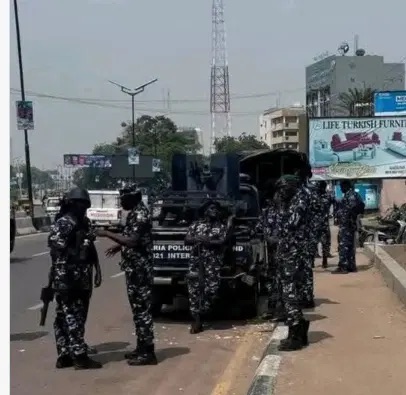
The PDP observed that “Over 24 hours after reports emerged that suspected Fulani herdsmen laid siege on the Makurdi – Naka Road and killed scores of travellers, Governor Alia, is yet to react to the incident.
“This silence of the governor follows a trend of his attitude regarding such incidents in the state since he came to office, with his media handlers suggesting his approach to tackling insecurity will be devoid of what they term as the “propaganda” deployed by immediate past Governor Samuel Ortom.”
The PDP while wondering how the governor intends to root out terrorists without condemning their crimes publicly also asked, “Are Benue people not entitled to know, even if only for purpose or confidence building, what action plan Governor Alia has to deal with the unending killings and kidnappings by Fulani herdsmen and bandits across the state?
“Is continuous public attention not needed to keep the crimes of those terrorists in the public glare and on the front burner of national discourse so as to speed up counter action from relevant authorities?”
The PDP recalled that as governor, Dr Samuel Ortom was consistent in calling public attention to the scourge of herdsmen killings and destruction in the state, and while that may not have stopped the crimes for the known fact that the criminals enjoyed backing from very high quarters, it mitigated it considerably.
“PDP suspects that Governor Alia’s policy of silence over the atrocities of terrorists in Benue serves a politically convenient purpose for certain interests outside of the state, yet the party cautions him against continuing with the policy which is emboldening criminals and worsening insecurity in the state.”