Follow Us on Google
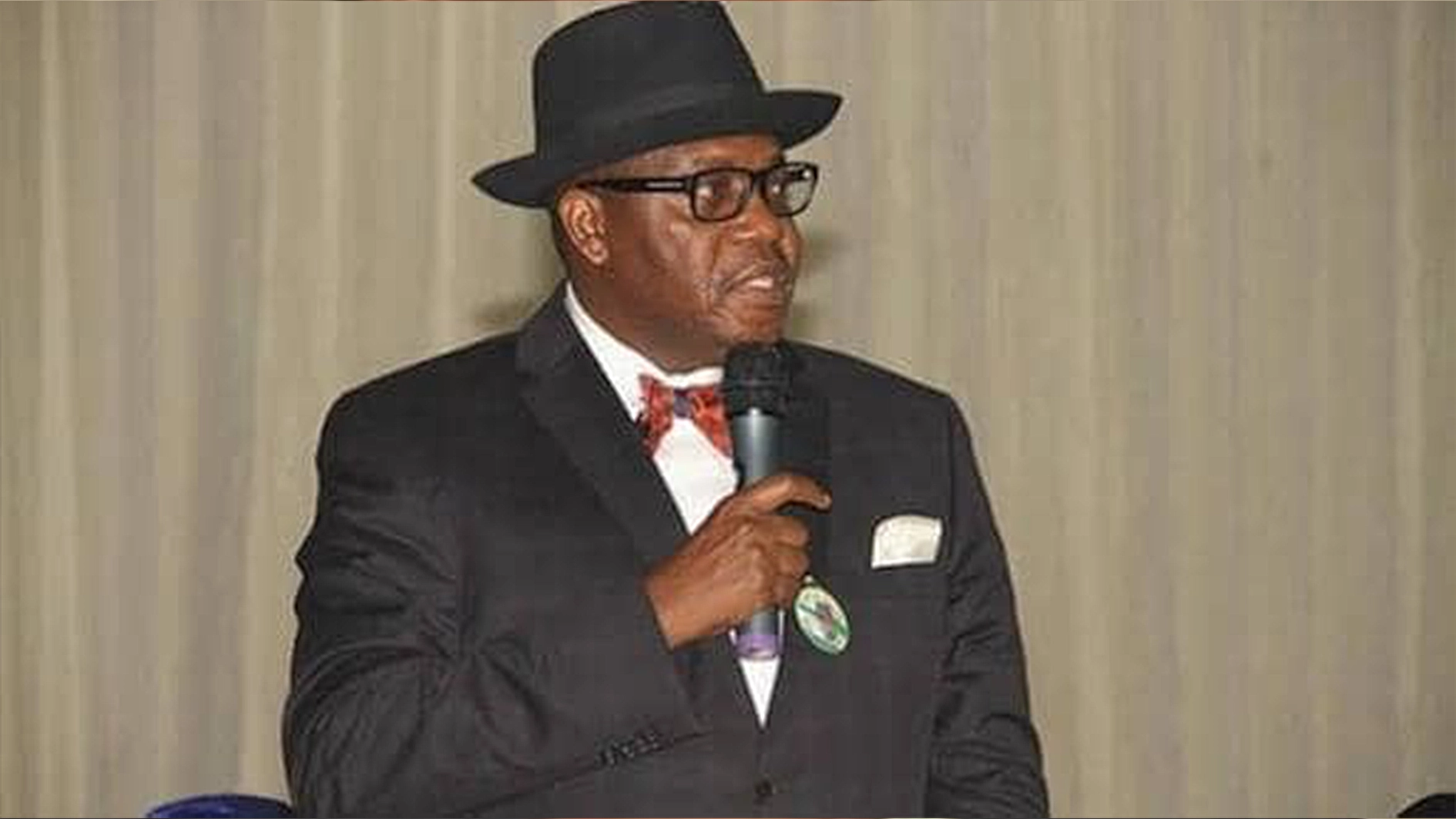
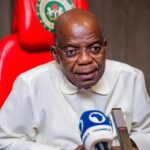
Former Nigerian Ambassador to Norway, Sweden and Denmark, Godknows Igali, has criticised the state of roads in the Niger Delta, saying the condition on the ground contradicts claims by the Minister of Works, David Umahi, that major road projects are being addressed.
Igali made the remarks on Thursday during an interview with Africa Independent Television (AIT), where he expressed frustration over the condition of major highways in the region, particularly the East-West Road and the Benin-Asaba corridor.
The former ambassador said his frequent travels had given him firsthand knowledge of the challenges faced by motorists and commuters, making it difficult for him to reconcile the situation with statements from the Works Ministry.
“When I listen to the Minister of Works sometimes, I feel like breaking my television. Because I move around every time. I had to come in from Port Harcourt to be able to have this conversation with you. And the roads are not there,” Igali said.
He singled out the East-West Road, noting that journeys that previously took less than an hour now require significantly more time because of the deteriorating road conditions.
“Even so-called East-West Road is not in order. You can’t go from Sapele to Warri. It used to take us 40, 45 minutes. Today it takes about three hours from Sapele to Benin. One hour now takes about three or four hours,” he said.
Igali also cited recent protests by residents and commuters over the poor condition of the Asaba-Benin highway, saying the demonstrations showed the level of frustration among road users.
“And the other day, just last week, we saw people demonstrating that the road from Asaba to Benin is so bad. And people came out demonstrating,” he said.
The former envoy argued that the situation was particularly unacceptable given the economic importance of the Niger Delta and its contribution to the country’s revenue.
Other News
“So the roads, and this is where the money comes from, it is the height of injustice,” Igali said.
He stressed that residents of the region were not demanding preferential treatment, but equitable infrastructure and fair treatment from the government.
“We are not asking for more than we should have. We are just saying be fair, be equitable, be just, be fair to all such people,” he said.
Igali further said Nigerians were becoming more politically aware and increasingly prepared to demand accountability from public officials.
“Our people are watching. Our people are watching,” he said.
“No, people are now wiser. They are reasoning, they are wiser. The political bandwidth is now wider for people to reason and participate.”
His comments followed renewed controversy over the condition of the Benin-Asaba Expressway, where protests were recently held over severe gridlock and the deteriorating state of the road.
The Federal Government has since taken steps to address the situation. Umahi inspected the highway and blamed the concessionaire for removing more than 30 kilometres of asphalt without adequately replacing it.
The government subsequently began moves to terminate the concession, while President Bola Tinubu ordered the complete reconstruction of the affected section of the highway.