Follow Us on Google
From Bimbola Oyesola, Geneva, Switzerland
As Africa marked the 63rd anniversary of the founding of the Organization of African Unity (OAU), now the African Union (AU), stakeholders have raised fresh concerns over the growing impact of violent conflicts and global economic shocks on workers, livelihoods and development across the continent.
The warning came during a policy dialogue jointly organised by the Michael Imoudu National Institute for Labour Studies (MINILS), Ilorin, the Nigerian Institute of International Affairs (NIIA), Lagos, and Friedrich Ebert Stiftung (FES Nigeria) recently in Lagos.
The event, held under the theme “Rising Global Conflicts, Severe Economic Shocks and the Decent Work Agenda in Africa,” formed part of activities commemorating Africa Day 2026.
This year’s Africa Day celebration, observed annually on May 25, marked 63 years since the establishment of the OAU in 1963. The African Union adopted the theme: “Sixty-Three Years of Unity, Integration and Development: Let’s Celebrate Together.”
But speakers at the dialogue warned that the continent’s aspiration for unity and development is increasingly under threat from worsening insecurity, economic instability and labour market disruptions.
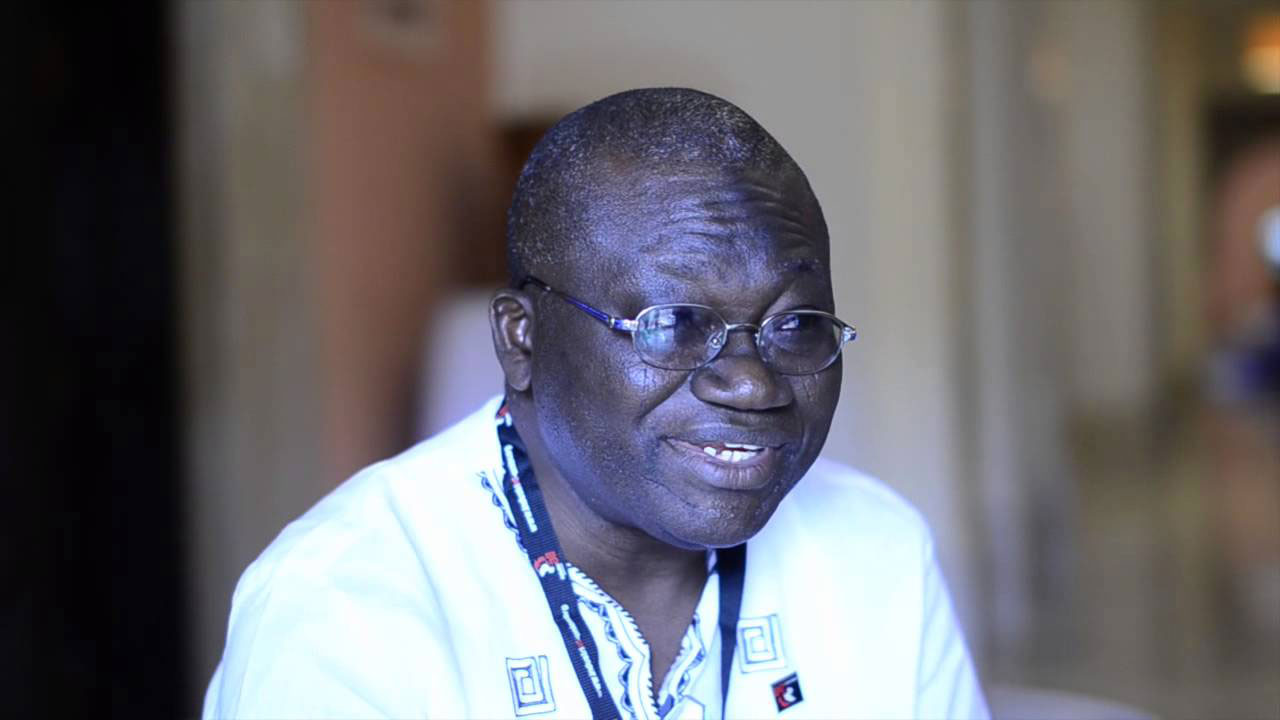
Director General of MINILS, Mr. Issa Aremu, said Africa was facing an alarming rise in armed conflicts despite repeated continental commitments to peace and integration.
Other News
According to him, Africa currently accounts for nearly 40 per cent of the world’s armed conflicts, with over 50 active conflict hotspots spread across the continent.
“The founding vision of the African Union was transformative and revolutionary,” Aremu said. “It was never about endlessly managing avoidable wars and humanitarian crises.”
He noted that major conflict zones include Sudan, the Democratic Republic of Congo (DRC), Somalia and the Sahel region, particularly Burkina Faso and Mali.
Aremu lamented that despite the AU’s 2020 campaign to “Silence the Guns,” violent conflicts have continued to devastate African nations.
He cited the prolonged Boko Haram insurgency in Nigeria, the civil war in South Sudan and recurring violence in Libya and the DRC as examples of conflicts that have destroyed lives and weakened economic growth across the continent.
“Violence has displaced more than 35 million Africans and worsened humanitarian crises across the continent,” he said.
The labour expert further warned that ongoing conflicts in Africa and escalating tensions in the Middle East are fueling severe global economic shocks with direct consequences for African economies.