Follow Us on Google
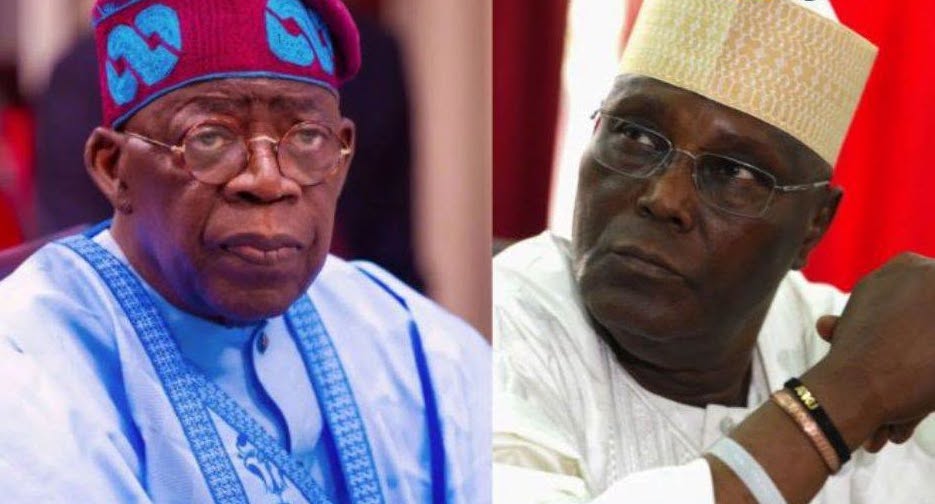
• Demands apology over criticism of fuel subsidy proposal
From Ndubuisi Orji
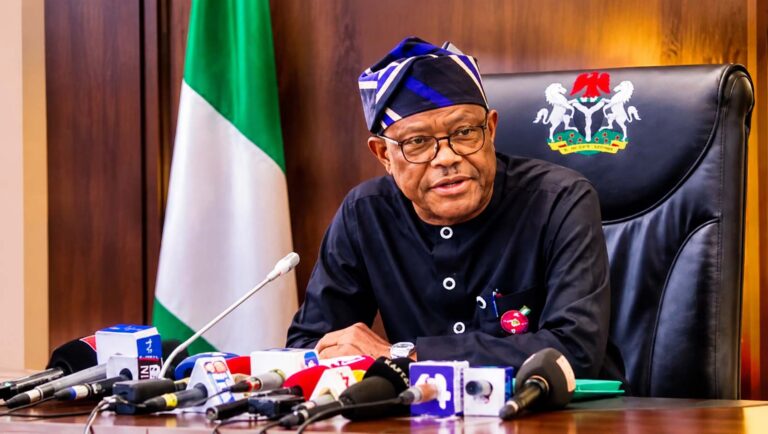
The presidential candidate of the African Democratic Congress (ADC), Atiku Abubakar, has advised President Bola Tinubu to withdraw from the 2027 presidential race or prepare to face defeat at the polls.
Atiku also asked President Tinubu to apologise to him and Nigerians for ridiculing his proposal for a production-linked fuel subsidy.
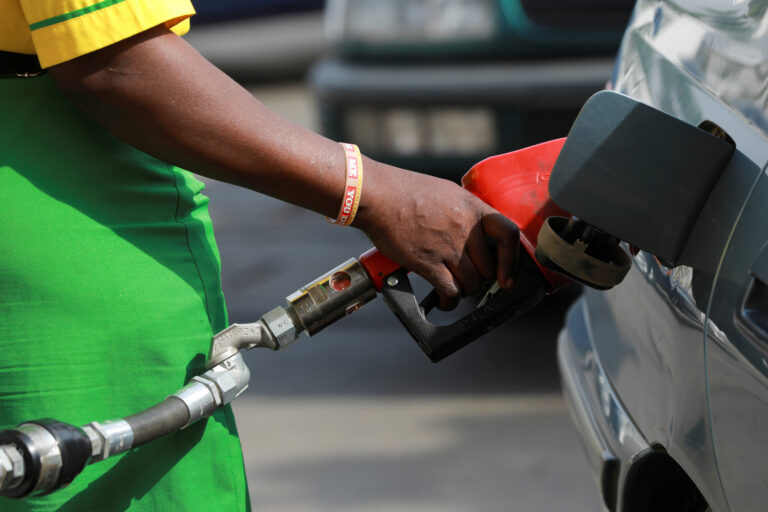
He was reacting to the call by the Independent Petroleum Marketers Association of Nigeria (IPMAN) for the Federal Government to support domestic refiners as part of efforts to reduce petrol prices.
In a statement issued by his Senior Special Assistant on Public Communication, Phrank Shaibu, Atiku said IPMAN’s intervention vindicated his proposal to make energy more affordable through targeted support for local refining.
He noted that the marketers’ position was significant because it came from industry operators who understood the impact of high petrol prices on businesses and households.
Atiku recently proposed the introduction of a production-linked fuel subsidy if elected president in 2027, arguing that it would reduce the cost of Premium Motor Spirit (PMS).
The Presidency, however, dismissed the proposal as evidence of economic ignorance, insisting that the subsidy regime abolished by Tinubu on assumption of office in 2023 should not be restored.
Atiku maintained that his plan was different from the previous import-based subsidy regime and would strengthen key objectives of the Petroleum Industry Act, including promoting domestic petroleum processing and ensuring safe and affordable access to petroleum products.
“IPMAN has come late to this conversation, but it has come to the right conclusion. The association is now saying that the government cannot simply stand aside while petrol prices punish Nigerians and that deliberate subsidy around domestic refining can help bring prices down,” he said.
“That is precisely the policy principle President Tinubu and his gang of jesters have spent weeks trying to ridicule.
“Tinubu’s argument has always depended on deliberately confusing the import-subsidy bazaar with a transparent, production-linked intervention that strengthens Nigerian refining and delivers measurable relief to Nigerian consumers.
“Let me put it to President Tinubu in simple English: the difference between the import subsidy and the policy I have put before Nigerians is the difference between a farmer who harvests cassava, sells it all cheaply and then travels elsewhere to buy expensive garri for his family, and one who builds the capacity to process his cassava at home.
“Nigeria produces crude oil. It is economic foolishness to possess the raw material, fail to maximise its processing at home and then tell Nigerians that unaffordable fuel is the price they must pay for reform.
“My principle is simple: subsidy follows the barrel. Strengthen the Nigerian barrel, strengthen Nigerian refining and ensure that the benefit follows that barrel all the way to the Nigerian consumer.”
Atiku said Tinubu’s celebration of subsidy removal as an economic achievement had become detached from the hardship confronting Nigerians.
Other News
According to him, the real test of petrol policy is not the price of a litre of fuel after conversion to dollars, but how much of a Nigerian worker’s income and labour it consumes.
He said the DailyFuels Fuel Affordability Index ranked Nigeria 91st and estimated that the average Nigerian required about 44 minutes of work to afford one litre of petrol, while a 40-litre tank represented about 29.5 hours of work.
“That is the Tinubu economy in one statistic. Petrol may appear cheap when converted into dollars and compared with richer countries, but Nigerians do not earn American or European salaries,” Atiku said.
“A teacher does not experience fuel policy through a government spreadsheet. A tomato seller experiences it when the truck bringing her produce charges more, her own transport fare rises and her customers arrive at the market with less money in their pockets.
“By the time one tomato reaches a Nigerian kitchen, Tinubu’s expensive petrol has collected its own levy several times along the journey.
“That is why my targeted intervention is fundamentally a cost-of-living policy. When energy costs rise, transportation, food, production and distribution costs rise with them.
“Making fuel affordable means restoring purchasing power to Nigerian families. You do not govern spreadsheets. You govern human beings.”
Atiku urged IPMAN to move beyond commentary and join efforts to develop a transparent system of support for domestic refining.
He said his invitation to the petroleum marketers was about building a new energy framework from 2027 and not rescuing the Tinubu administration from the consequences of its policies.
“I welcome IPMAN. Let us prepare together for 2027—marketers, refiners, regulators, consumers and independent monitors and build a system where support follows the Nigerian barrel and relief follows that support all the way to the filling station,” he said.
“That is the contract we offer Nigerians: local capacity first, transparency first, purchasing power first and affordable energy first.
“President Tinubu had the opportunity to put Nigerians first when they needed relief most. He chose hardship and called it reform.
“There are, therefore, two honourable options before him now: apologise to Atiku Abubakar and, more importantly, to the Nigerian people for ridiculing a policy principle that major petroleum-sector players are beginning to recognise, and quietly withdraw from the 2027 presidential contest; or wait to be rejected at the polls in January.
“This is not about Tinubu or Atiku. It is about Nigerians. You cannot empty their pockets, call it reform, ridicule the ideas intended to make their lives affordable and then ask them to reward you with another four years.
“Tinubu may continue defending expensive petrol. We will continue building the coalition that will make Nigeria affordable again from 2027.”