Follow Us on Google
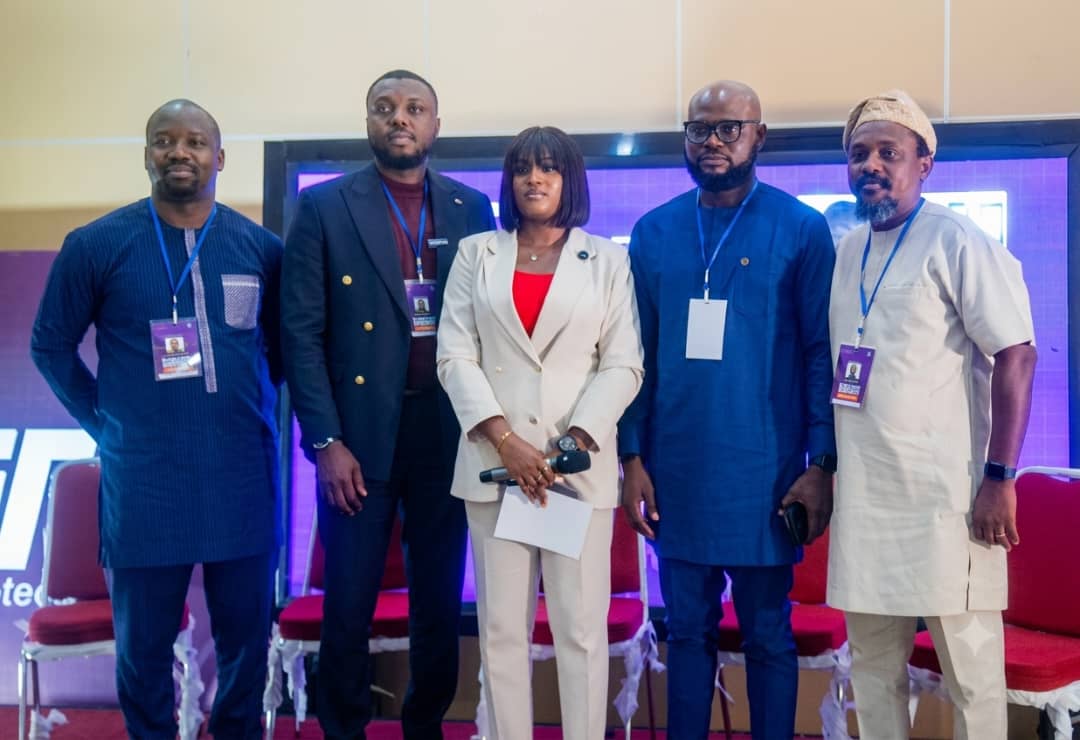
Africa’s leading engineers, product leaders, and innovators gathered in Lagos last weekend for the sixth edition of Thrive-In-Tech, an annual technology and innovation event with the theme “Build for Impact.”
Convened by Olufemi Ayilara, this year’s summit brought together technology professionals, aspiring tech talents, and ecosystem stakeholders for two days of learning, collaboration, and solution-building aimed at addressing Africa’s most pressing challenges.
The main summit held on Saturday followed a hackathon the previous day, where participants worked intensively to prototype technology solutions. The event featured panel sessions focused on how innovators can build products that create meaningful and lasting impacts across Africa and beyond.
Speaking on the theme, the keynote speaker, Oyedayo Otokiti, noted that the focus of the summit was to move beyond inspiration and drive practical outcomes.
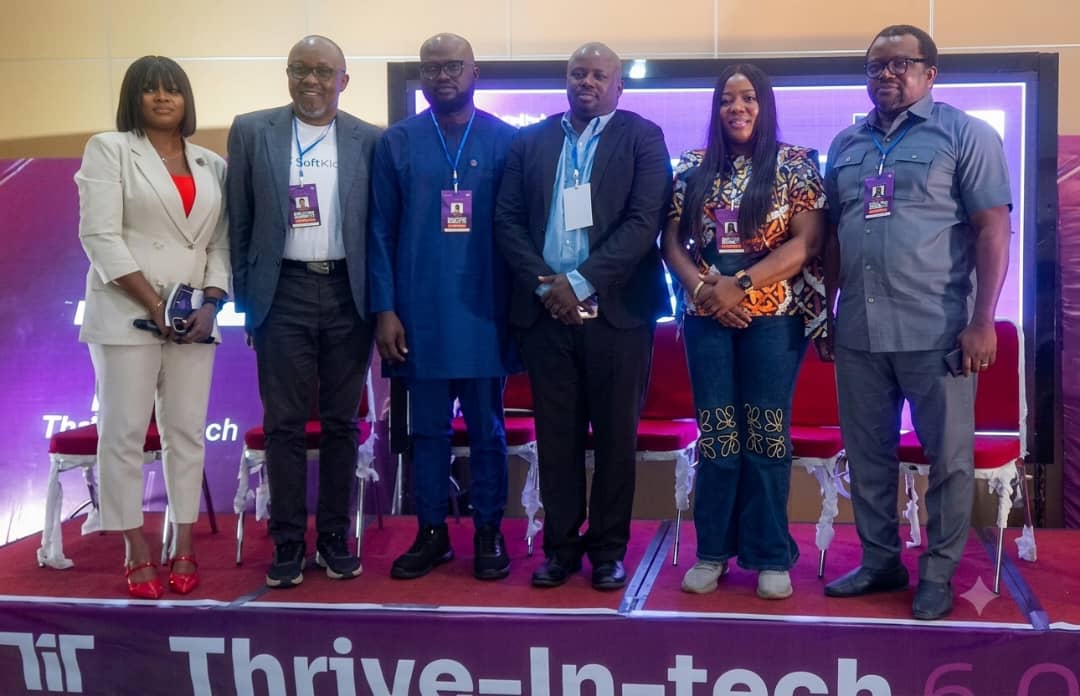
He said: “The goal is not just to talk about technology, but to build solutions that work in African realities. When we are looking into the future, we need to look at the past first if you want to see a bit about the future.
“There are developers, cybersecurity experts, engineers, and social media managers. There are different careers that have spun out from using computers well.
“I think that AI will also follow suit. The AI we are adopting today will get to a point where we need some form of discipline to combat it in terms of security and privacy. Look at the past and see that everything good has a negative to it and that negative areas of AI will come within the next few years.
“Also, people should not just use AI for asking questions, coding, and getting answers. AI, as it is now, might not reflect every cultural relevance. But in the future, we are going to see adaptation and cultural localisation.
“We are going to see specialisation very relevant in agriculture, something portable, something farmers in the South-East can use in pest control. So definitely, tons of careers will come out from AI as we see it right now. Let’s be sure that we will adopt it properly.”
There were panel sessions where participants had opportunities to gain practical knowledge, connect directly with industry leaders, showcase their ideas, and collaborate on technology projects.
The summit also created space for networking and relationship-building within the African technology ecosystem.
Attendees included engineers, product managers, startup founders, students, and professionals from across Nigeria and other parts of Africa, reflecting Thrive-In-Tech’s push for broader representation beyond traditional tech hubs.
One of the panellists, Oluwaseun Oluboyo, Director, IT and Operations, Lagos Business School, said some of the skills people want to develop are skills that are distinctly human and will take a while for AI to catch up with creativity, collaboration, and communication.
He noted: “There are some things that are actually human capabilities that a computational engine can not do yet or will never do. There’s a human relationship that is going on there. So cultivate creativity, collaboration, and communication.
Other News
“Talking about the technical skills. People should learn how to use AI. People who use AI will displace the people who are not using AI. Let computers and the typing go. Just learn how to use AI and learn how to use it well.
“As to what we’ll be doing with AI, we honestly don’t know. Let’s not lie to you. Ten years ago, nobody knew there would be a role called social media manager, where you wake up in the morning, and you basically sit on the internet, tweeting, re-sharing, and get paid at the end of the month.
“People should look at those competencies that are distinctly human that will augment the brute force that AI will bring to the table. AI will be the muscle; while humans will be the brains. There are some things that it takes a human being to decipher.
“We are talking about security, sustainability, and reliability. You can build AI skills for some of those things, but you ultimately want human eyes and human intelligence to come to bear because when real money is at risk, an advanced AI will hack the financial system. So please, let’s take note of these things by leveraging AI itself as a tool, right, and incorporating engineering judgment in everything we do.”
Another panellist, Akolade Ayeni, Software Engineering Manager, GreenAfrica Airways, warned against solving a problem with AI from start to finish.
He stressed: “You start solving the problem by yourself as a human. A lot of people want to build or use AI to solve a problem or to create a task, but the first thing you need to understand is identifying your real problem.
“Then you ask how to get a better solution for the problem you are solving. For every task you do, even as an engineer, a developer, or whatever you do, there’s a part of your task that you don’t really need AI to get it done. Don’t depend solely on AI.
“Let’s not have this mindset that we can use AI to solve all problems. Start from the problem to profer solution, then identify the parts where AI can assist you. Don’t use AI from start to finish, and then it will become obvious that AI solves your problems.”
One of the sponsors, Esigie Aguele, CEO, Verifyme Nigeria, explained his reason for choosing to support the summit.
He said: “It is always good to support hackathons because they are the bedrock for innovation. When you want to find talent and great ideas in our community and our society, find people that you can help and push forward so that they can grow their ideas. It’s one of the best ways that we can support growing tech experts and brands.
“In our company, we regularly hire mostly youngsters who are tech savy. We have good internship programmes for talented people who want to join us and work, particularly out of school youths.”
With six editions completed, Thrive-In-Tech assured continuity in positioning itself as a platform for equipping African tech talent with the skills, connections, and platforms needed to scale solutions that matter.