Follow Us on Google
From Taiwo Oluwadare, Ibadan
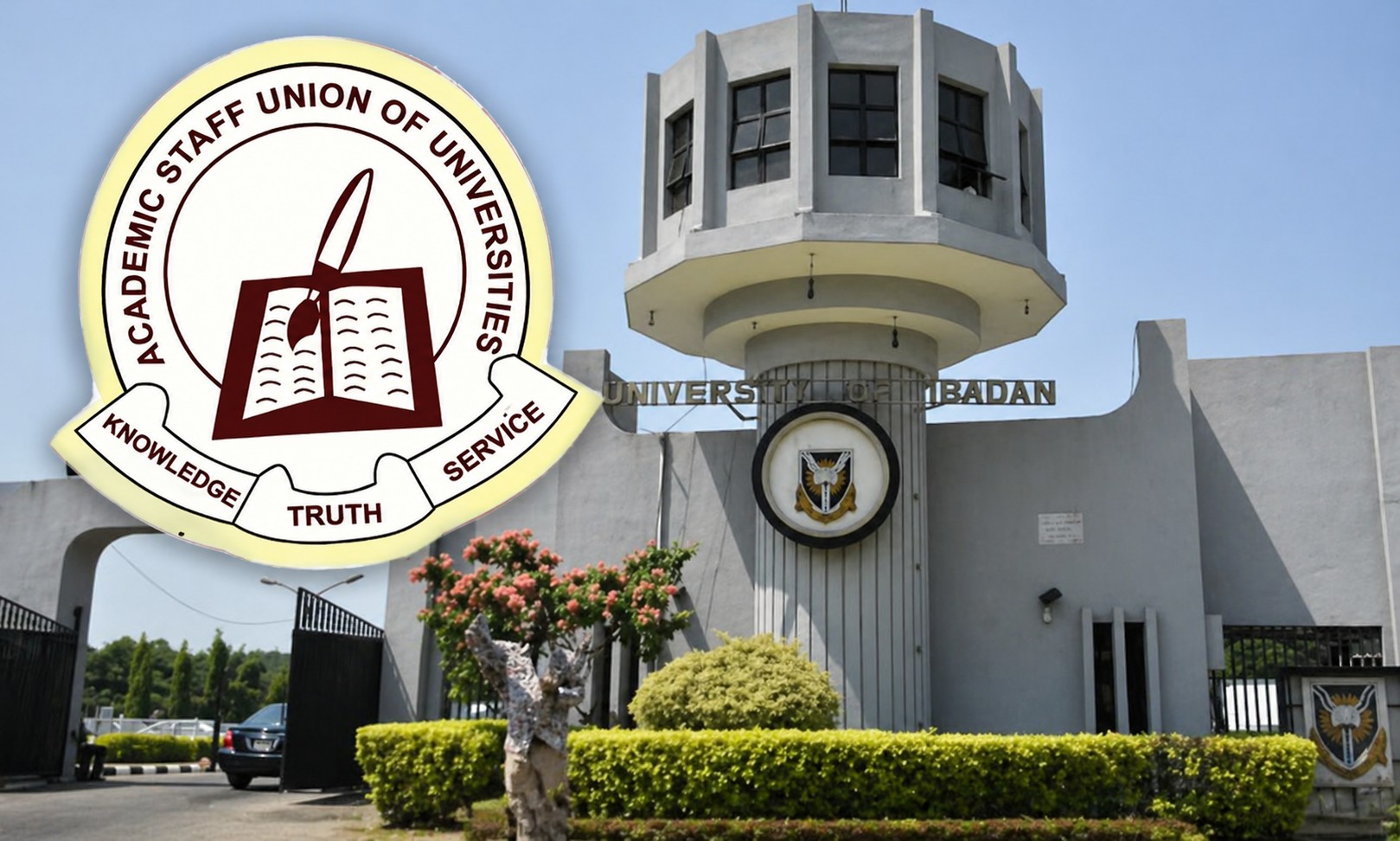
The induction of 389 newly recruited lecturers at the University of Ibadan (UI) on Tuesday became a platform for the Academic Staff Union of Universities (ASUU) to spotlight what it described as the worsening crisis in Nigeria’s tertiary education sector.
While the union acknowledged the recruitment exercise as a step in the right direction, it warned that the number falls significantly short of addressing the persistent shortage of academic staff across public universities.
Chairman of ASUU, UI chapter, Dr. Adefemi Afolabi, said the development underscores the urgent need for the Federal Government to institutionalise the timely replacement of retired or deceased lecturers to prevent further deterioration in teaching and research standards.
“The recruitment is commendable, but it is grossly inadequate when placed side by side with the staffing gaps in the system,” Afolabi noted during the orientation programme held in Ibadan.
Beyond staffing concerns, the union renewed its call for the full implementation of outstanding agreements with the Federal Government, stressing that both financial and non-financial commitments remain largely unmet.
The induction programme, which focused on exposing the new lecturers to the ethics and demands of the academic profession, also served as a cautionary forum. Afolabi warned against professional misconduct, including examination malpractice and sexual harassment, making it clear that ASUU would not shield any member found culpable.
He explained that erring lecturers would face disciplinary action from both the union’s ethics committee and university authorities, with sanctions that could extend to dismissal.
In a broader critique of the system, ASUU Zonal Coordinator (Ibadan Zone), Prof. Biodun Olaniran, described the orientation as more than a routine exercise, characterising it as an “ideological reorientation” into what he termed the responsibility of public intellectualism.
Other News
According to him, the role of a lecturer goes beyond classroom instruction, urging the new academics to embrace teaching as a sacred duty and research as a tool for societal transformation.
Olaniran painted a grim picture of Nigeria’s university system, declaring that it is “bleeding” due to chronic underfunding, unchecked proliferation of institutions, casualisation of academic labour, and what he described as the government’s persistent neglect of education.
“You have not just joined a university; you have joined a struggle,” he told the inductees, urging them to see unionism as central to their professional identity.
Other speakers at the event reinforced the ideological and professional expectations of academic staff within the university system.
Former ASUU Zonal Coordinator, Lagos Zone, Prof. Adelaja Odukoya, described the union as a people-oriented movement within the labour ecosystem, committed to defending the interests of the oppressed.
Similarly, Prof. Dapo Adewole emphasised the importance of selflessness in academia, noting that the true essence of academic culture lies in service to society rather than personal gain.
Additional presentations by Profs. Sola Olorunyomi, Ade Adejumo, Alex Akanmu, and Ademola Aremu addressed union structure, welfare, ethics, and the broader responsibilities of lecturers.