Follow Us on Google
•Harps on robust training for journalists
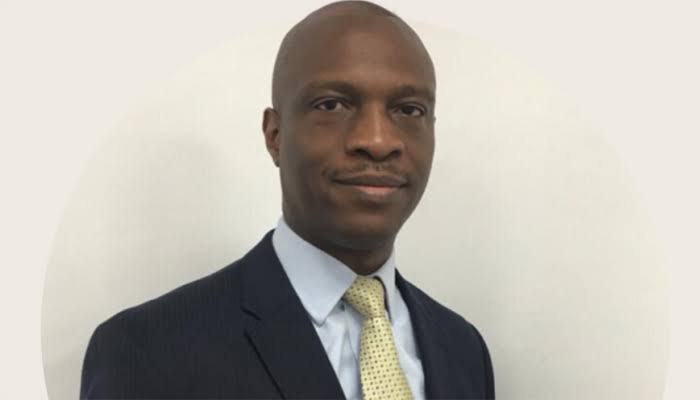
President, Association of Senior Staff of Banks, Insurance, and Financial Institutions (ASSIBIFI), Mr. Olusoji Oluwole, has pledged that the association will engage with stakeholders to protect workers’ welfare throughout the recapitalisation process.
Speaking on the sidelines of a recent capacity-building event for business editors in Lagos, Oluwole also advocated for fair compensation packages for the banking sector’s workforce.
He highlighted the significance of recapitalisation, particularly in light of the wave of mergers and acquisitions reshaping the industry. Describing the consolidation of the banking sector as inevitable, Oluwole acknowledged that this shift would lead to the emergence of dominant players in the field.
“While this may lead to increased demand for specialised skills in certain areas, it also raises concerns about potential job displacement for employees in overlapping roles,” he explained. “The focus for ASSIBIFI is to ensure a smooth and equitable transition for all employees affected by these mergers and acquisitions.”
The President stressed the importance of proactive communication with stakeholders, particularly in matters involving workers’ unions. He emphasised the need to address role duplication in merged entities and ensure the placement of affected employees within the new organisational structures.
“Our primary objective is to navigate these organisational changes effectively, address potential redundancy, and ensure equitable treatment for all employees impacted by the recapitalisation process,” Oluwole stated.
On the issue of casualisation within the banking sector, Oluwole acknowledged the progress made in compliance with regulations but called for stricter monitoring and enforcement to protect workers’ rights.
Other News
In a related development, Oluwole harped on the need for robust and strategic training for journalists as there is a critical nexus of finance, technology, and innovation, Oluwole particularly noted the impact of artificial intelligence (AI) on financial reporting, banking, and broader economic activities. He acknowledged the transformative potential of AI, citing its capacity to perform tasks that previously took weeks in mere moments.
However, he also cautioned against the potential drawbacks of AI, noting that it is not without its challenges, including the risk of manipulation. “AI systems are developed by humans and, therefore, prone to flaws,” he stated.
He continued, “This training aims to equip journalists with the skills to critically analyse AI-generated reports and raise pertinent questions before dissemination to the public.”
Oluwole also discussed AI’s dual impact on banking—its benefits in enhancing efficiency and automation, alongside its potential to enable fraudulent activities like unauthorised withdrawals. He stressed the necessity of robust IT security measures, such as two-factor authentication, to protect financial systems. Moreover, he framed AI-driven financial fraud as a global challenge, one that requires a concerted, international effort to address.
Mr. Doyin Owolabi, former President of the Institute of Chartered Accountants of Nigeria (ICAN), also contributed to the discussion, asserting that the advantages of AI in financial analysis should not be underestimated.
He outlined how AI accelerates data analysis, forecasting, and customer service while reducing human error.
Refuting concerns about AI replacing accountants in the developing world, Owolabi projected that while roles like cashiers, data entry clerks, and telemarketers might face automation by 2030, AI will enhance, rather than eliminate, human contributions in the financial sector. “AI helps streamline processes and boost productivity, but the human element in navigating complexities and providing strategic value is unmatched by machines,” Owolabi concluded.