Follow Us on Google

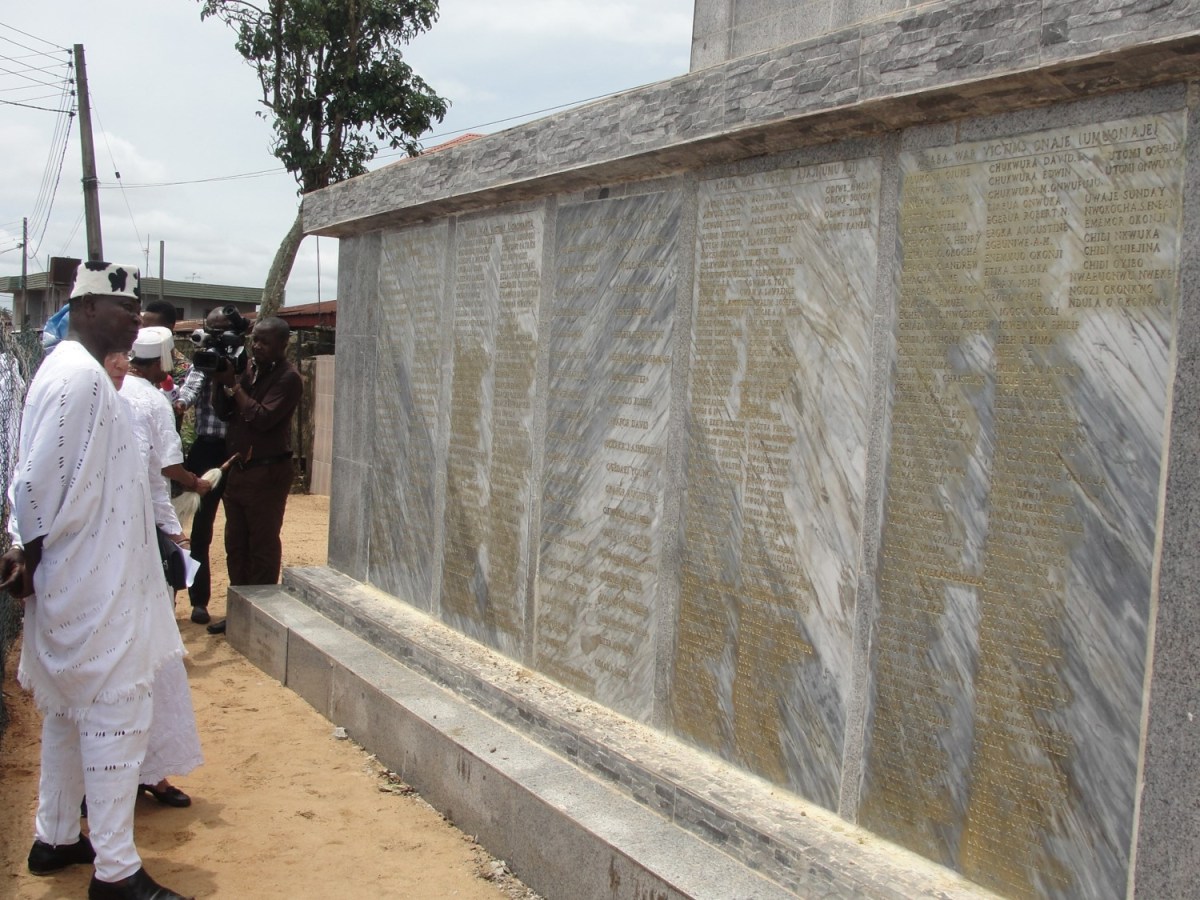
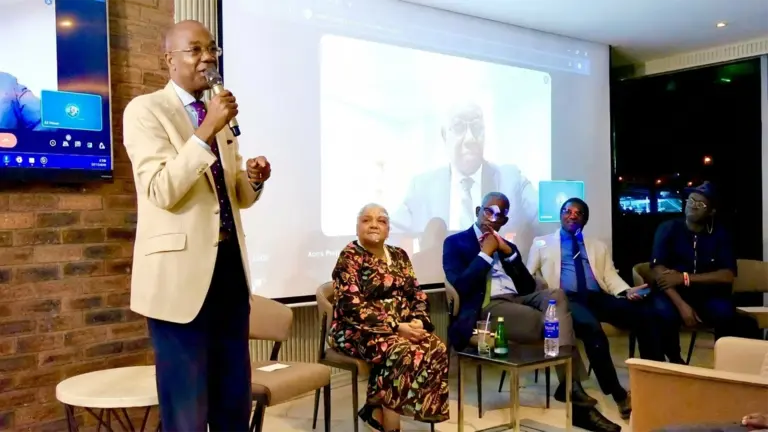
Chuck Nduka-Eze, Chairman of the Asaba Massacre Memorial Trust, has said Nigeria failed to learn critical lessons from the 1967 Asaba Massacre, arguing that the impunity surrounding the killings contributed to problems that could have been prevented.
Nduka-Eze made the remarks during an interview on Channels Television’s *Politics Today*, where he called for greater national awareness of the massacre and its implications for reconciliation and unity.
He said the tragedy should not be regarded as the burden of Asaba people alone, but as a national experience whose pain and lessons should be shared by all Nigerians.
“What happened in Asaba, Asaba happened to Nigeria because it was a Nigerian tragedy. So it’s not only a pain that should be borne by Asaba people. It’s a pain that should be shared by the whole country,” he said.
According to Nduka-Eze, national healing depends partly on ensuring that Nigerians understand what happened in Asaba and the consequences of failing to hold people accountable.
He argued that the country’s failure to learn from the massacre had allowed impunity to persist, contributing to other problems that could have been prevented.
“Sadly, because the right lessons have not been learned, there are quite a lot of things that have been happening in the country that could have been prevented if impunity had not been visited with the Asaba Massacre,” he said.
The memorial trust chairman also questioned whether Nigeria had fulfilled the promise of national unity that was used to justify the civil war.
He said the people of Asaba made significant sacrifices during the conflict but that the country’s response after the war did not adequately reflect the objective of keeping Nigeria united.
“Asaba has given so much of her blood for what was said to be the war of national unity,” Nduka-Eze said.
He argued that the destruction suffered in the former Biafran region was not followed by sufficient efforts to rebuild affected communities and reintegrate them into the country.
“The total absolute carnage and damage that took place there all happened. And nothing was done by way of even trying to repair things there, bring that part of the country back properly into the mainstream,” he said.
Nduka-Eze further said many Igbo people were not reabsorbed into the Nigerian establishment after the war, prompting some to leave the country and establish themselves abroad.
He described their departure as a loss to Nigeria, arguing that the country’s treatment of the region after the conflict undermined the principle of national unity.
“So a lot of people left the country and became great people in the US and many other places they went to. It was a loss to the country,” he said.
According to him, Nigeria’s understanding of unity has not fully reflected the sacrifices made during the war.
He said the country needed to recognise the human cost of the conflict and ensure that the principles used to justify the war were reflected in its treatment of affected communities.
“So this idea of unity, which was what the war was meant to be about, and the loss of those people, which was supposed to be a sacrifice for Nigeria to be kept as one, has not fully been ingrained into our consciousness,” Nduka-Eze said.
He urged Nigerians to see the Asaba Massacre as a national tragedy and learn from its history to strengthen accountability, reconciliation and national unity.
The Asaba Massacre occurred in October 1967 during the Nigerian Civil War, when federal troops killed civilians in Asaba, in present-day Delta State. The killings remain a painful chapter in the community’s history.