Follow Us on Google

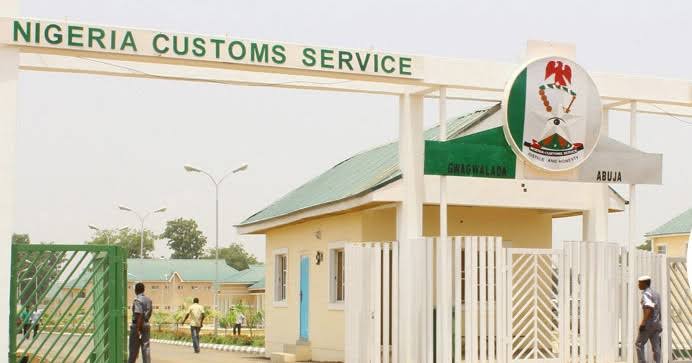
The Nigeria Customs Service (NCS) has recovered approximately N200 billion through its Authorised Economic Operator (AEO) programme, following improved trade compliance, as it steps up efforts to facilitate legitimate trade, strengthen revenue generation and promote transparency in Nigeria’s import and export processes.
The Comptroller-General of Customs, Adewale Adeniyi, disclosed this while highlighting the potential of the proposed Bakassi Deep Sea Port and the modernisation of strategic border corridors to transform Cross River State into a major gateway for international trade.
Speaking at the 6th AfSNET Investment Conference 2026 in Calabar, Adeniyi said the planned infrastructure projects could unlock the state’s economic potential, expand regional commerce and help it reclaim its historic position as one of Nigeria’s foremost commercial centres.
He described the groundbreaking ceremony for the proposed Bakassi Deep Sea Port as a significant milestone, expressing optimism that the project would strengthen Cross River’s participation in international trade and attract fresh investments into the region.
Reflecting on Calabar’s commercial heritage, the Customs chief recalled that the city once hosted Nigeria’s busiest Customs port, with a trading history spanning approximately a century.
He also noted that Nigeria’s first indigenous and longest-serving Comptroller-General of Customs hailed from Calabar, highlighting the state’s longstanding contribution to the Service and the country’s commercial development.
According to Adeniyi, the proposed port, alongside the modernisation of strategic border corridors, would create opportunities to expand exports, generate employment, attract investments and stimulate economic activities across the region.
He, however, cautioned that infrastructure development must be supported by operational reforms, stressing that building ports and border facilities alone would not resolve existing trade bottlenecks.
To address these challenges, he disclosed that the NCS had conducted a Time Release Study to establish how long it takes to process consignments at Nigerian ports and identify operational gaps requiring attention to improve cargo clearance.
Adeniyi also identified the establishment of effective One-Stop Border Posts at the Mfum-Ekok and Seme borders as essential to improving cross-border trade, eliminating duplicate examinations and reducing delays in cargo clearance.
He said effective implementation of the initiative could increase trade volumes by as much as 70 per cent.
He explained that the modernisation of these border corridors would require complementary facilities, including warehouses, storage infrastructure, weighbridges and scanners, to improve cargo handling, operational efficiency and border management.
The Customs boss said the Service had studied successful models of modern border operations in other countries and was confident that relevant best practices could be adapted to Nigeria’s operating environment.
Other News
He further stressed the need to maximise the use of non-intrusive inspection technology, particularly scanners, to facilitate legitimate trade, reduce unnecessary physical examinations and strengthen the fight against smuggling and other illicit activities.
On trade compliance, Adeniyi said the AEO programme had contributed to the recovery of approximately N200 billion by encouraging compliance among operators and improving transparency in trade transactions.
He acknowledged the support of the African Export-Import Bank (Afreximbank) in advancing trade development and modernisation initiatives, while calling for stronger partnerships among government institutions, financial organisations and private-sector operators.
He maintained that the government alone could not provide all the resources required to create sustainable wealth, emphasising the need for greater private-sector participation in developing trade infrastructure and unlocking investment opportunities.
Adeniyi added that Customs administrations must maintain a balance between facilitating legitimate trade and enforcing regulations to prevent smuggling and other illegal activities.
He expressed confidence that sustained investment, effective partnerships and institutional commitment would help Nigeria build a more efficient, transparent and competitive trade environment.
For Cross River State, the proposed Bakassi Deep Sea Port and the planned modernisation of the Mfum-Ekok border corridor are expected to strengthen its position as a strategic international trade gateway, with prospects for increased regional commerce, investment inflows, export expansion and job creation.
In a related development, the Nigeria Customs Service, Cross River/CFTZ/Akwa Ibom Area Command, has pledged its support and collaboration with government agencies and other stakeholders to facilitate the development of the proposed Bakassi Deep Sea Port and promote legitimate trade in the region.
The Acting Customs Area Controller of the Command, Deputy Comptroller Nkiruka Nwala, gave the assurance during the reception of Vice President Kashim Shettima at the Margaret Ekpo International Airport, Calabar, ahead of the port’s groundbreaking ceremony.
Shettima visited Cross River State for the ceremony, with the proposed deep-sea port expected to expand the state’s maritime capacity, attract private-sector investment and create employment opportunities.
According to the Command, Nwala’s participation underscored the Service’s commitment to inter-agency cooperation and its readiness to work with relevant government institutions and stakeholders to advance the project and maximise its economic benefits.
The Command reaffirmed its commitment to its statutory responsibilities of revenue generation, border security, trade facilitation and protection of Nigeria’s economic interests, while supporting initiatives that promote legitimate trade, investment and regional economic growth.
It added that effective collaboration among government agencies and other stakeholders would be critical to ensuring that the proposed port and associated trade infrastructure deliver their expected economic benefits.