Follow Us on Google

The Anambra State Commissioner for Environment, Dr. Clem Aguiyi, has warned that Nigeria cannot achieve food security without protecting its environment, stressing that environmental degradation poses a direct threat to agricultural productivity and food supply.
Aguiyi gave the warning while delivering his address as chairman of the occasion at the 2026 World Food Day commemoration, organised by the Anambra State Ministry of Agriculture. He was represented at the event by the host commissioner, Dr. Ben Chuks Odoemena.
Speaking on the theme, “Nexus Between Environmental Security and Food Security,” Aguiyi said environmental protection and agricultural development were inseparable, describing the institutional separation between ministries responsible for the environment and agriculture as fundamentally flawed.
He maintained that food security could not be achieved in a collapsing environment, emphasising that protecting the land was essential to securing food on the table.
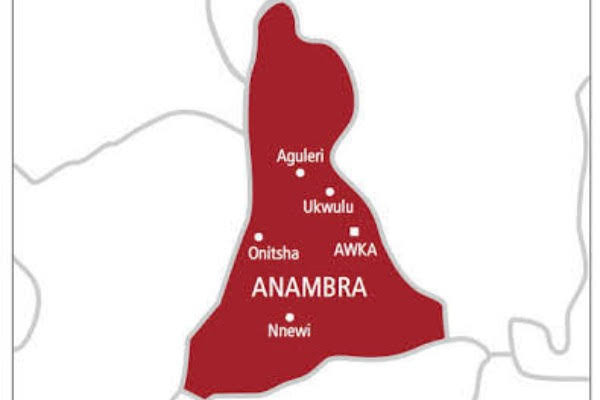
The commissioner identified Anambra State as a clear example of the connection between environmental degradation and food insecurity, disclosing that about 35 percent of the state’s 4,877-square-kilometre landmass was already affected by more than 1,200 active gully erosion sites.
He warned that the scale of erosion threatened agricultural land and underscored the need for stronger environmental management and land restoration measures.
On water quality and food safety, Aguiyi cited lead-zinc mining pollution in Enyigba and the indiscriminate discharge of abattoir waste into drains and streams in Anambra as examples of environmental practices that could undermine public health and food production.
He cautioned that contaminated water sources could compromise food safety, stressing that environmental pollution posed risks beyond the immediate destruction of ecosystems.
Aguiyi also linked climate change to declining agricultural productivity, noting that the Nigerian Meteorological Agency (NiMet) now predicts a late onset and early cessation of rainfall.
He regretted that some farmers have continued to rely on traditional planting calendars despite changing weather patterns, a practice he said could result in crop failure.
The commissioner further disclosed that Anambra generated more than 1,500 tonnes of solid waste daily, with about 60 percent consisting of organic materials. He lamented that much of the waste was dumped rather than converted into compost that could replenish soil nutrients, restore degraded farmland, and improve agricultural yields.
He said converting organic waste into useful agricultural inputs would help address waste management challenges while supporting sustainable farming and soil regeneration.
The commissioner also highlighted the relationship between peace and food security, recalling that the communal clash in Effium displaced more than 20,000 people, mostly farmers, who reportedly abandoned their farms for two years.
He noted that such conflicts disrupted farming activities and livelihoods, demonstrating how insecurity and displacement could undermine food production.
Aguiyi’s remarks underscored the need for an integrated approach to environmental protection, climate adaptation, waste management, conflict prevention and agricultural development to strengthen food security in Anambra State and Nigeria at large.