Follow Us on Google
…Says new NNPCL order will boost revenue, transparency
From Adanna Nnamani, Abuja
The Federal Government has thrown open all revenue‑generating public assets for private sector participation as part of its drive to mobilise domestic resources.
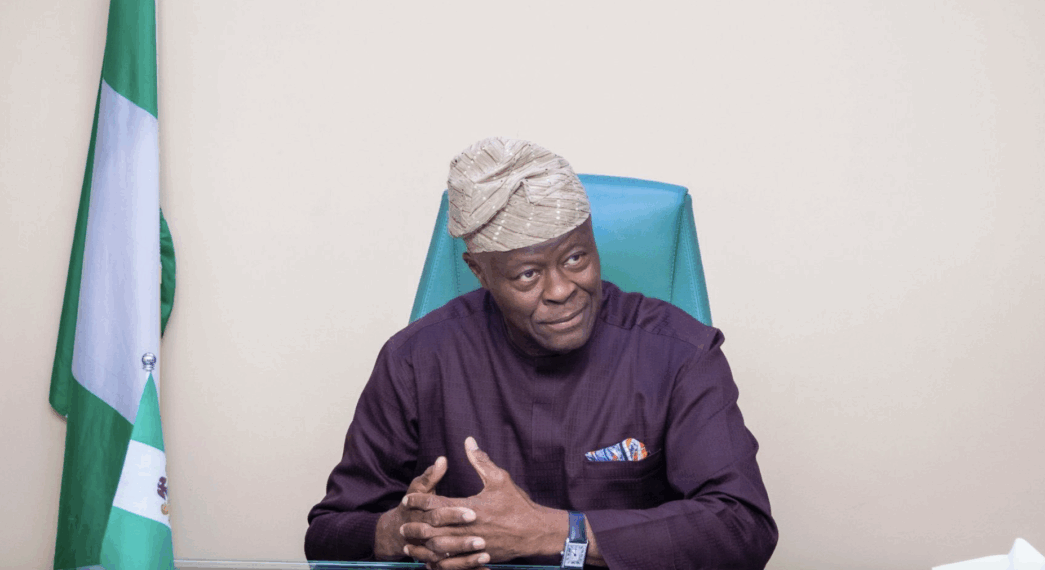
Minister of Finance and Coordinating Minister of the Economy, Mr. Wale Edun, disclosed this while giving an update on the country’s economy on Friday in Abuja.
Edun explained that the move is aimed at boosting government revenue and ensuring efficient utilisation of public assets while attracting investments that can create jobs and support economic growth.
He added that divestment and private participation are part of a broader plan to grow Nigeria’s economy sustainably and inclusively, adding that the government is working to maximise domestic resources as an alternative to unsustainable borrowing.
The Minister said: “In terms of public assets, I would say that for the government, in a private sector‑orientated economic policy framework, all revenue‑generating areas are up for grabs. If someone wants to come and seek a concession, for a road, for an airport, for a seaport, for any revenue‑generating area, now is the time for people to come forward with their ideas, now is the time for them to be brave and come forward with their own investment ideas. There are full BP assets which are being held, and everybody is free. They have advertised some, they have listed them, but everybody is free to come and make their proposals. And as you know, there are also, in other sectors like the oil and gas sector, there are procedures going on there, there are, what I would say, assessments going on to ensure that we get a very good attraction of funding and incremental funding for investment in those sectors. And part of it is divestment. It’s all part of the mix, and nothing is off the table. As Nigeria moves to grow sustainably, rapidly, and inclusively.”
He further stressed that reforms under the President’s economic programme have improved incentives for investors and stabilised the Naira, encouraging businesses to invest locally rather than rely solely on foreign financing. On social intervention, Edun reported that 9.1 million households have benefitted from the Direct Benefit Transfer programme, with another one million lined up for imminent payment.
Other News
He also gave updates on the capital budget, noting that implementation is on track with a 30 percent target by March 31.
According to him, the government is tightening the link between revenue collection and expenditure to ensure funds are used efficiently in critical sectors such as health, education, and infrastructure. He further explained that the government is taking steps to strengthen fiscal transparency and digital accountability by ensuring that all payments for government services will no longer be in cash.
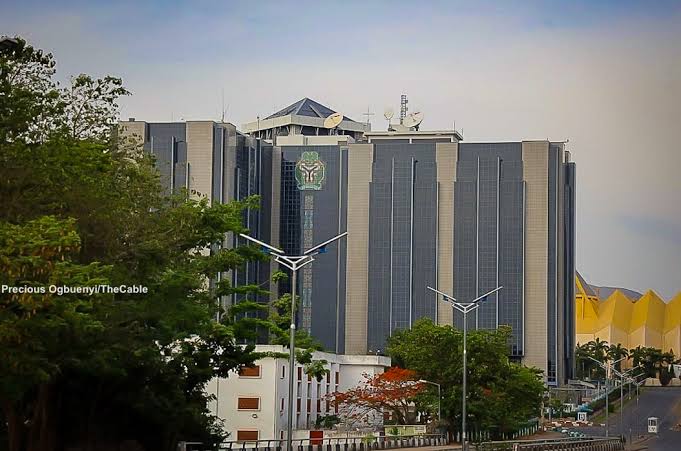
Addressing the oil and gas sector, Edun noted that the recent executive order requiring the Nigerian National Petroleum Company Limited(NNPCL) to remit management and frontier fees, including gas flare penalties, directly into the federation account will boost federal revenues and support fiscal federalism while ensuring proper oversight of public funds.
Edun also highlighted the country’s position in the global economy, noting challenges such as high debt servicing costs for developing countries, reduced foreign aid, and shifts in global trade and investment.
“The overwhelming verdict from discussing around the world is that really we are on our own. We have to rely on our own resources. We have to mobilise domestically our own revenues. We have to mobilise our own savings for investment, so that we can increase our productivity, increase the number of machines, increase the amount of production, create jobs, and reduce poverty,” he said.
The Minister reiterated that Nigeria’s economy is on a positive trajectory, with non-oil sectors expanding and oil’s contribution to GDP gradually declining. He said reforms in the oil, petrochemical and refinery sectors, alongside improved incentives, are attracting fresh investments.
He urged domestic investors, foreign partners and Nigerians in the diaspora to take advantage of emerging opportunities.