Follow Us on Google

• Bamidele, YCE, Gani Adams extol his integrity, patriotism, selfless service
From Adesuwa Tsan, Abuja, Oluseye Ojo and Lukman Olabiyi
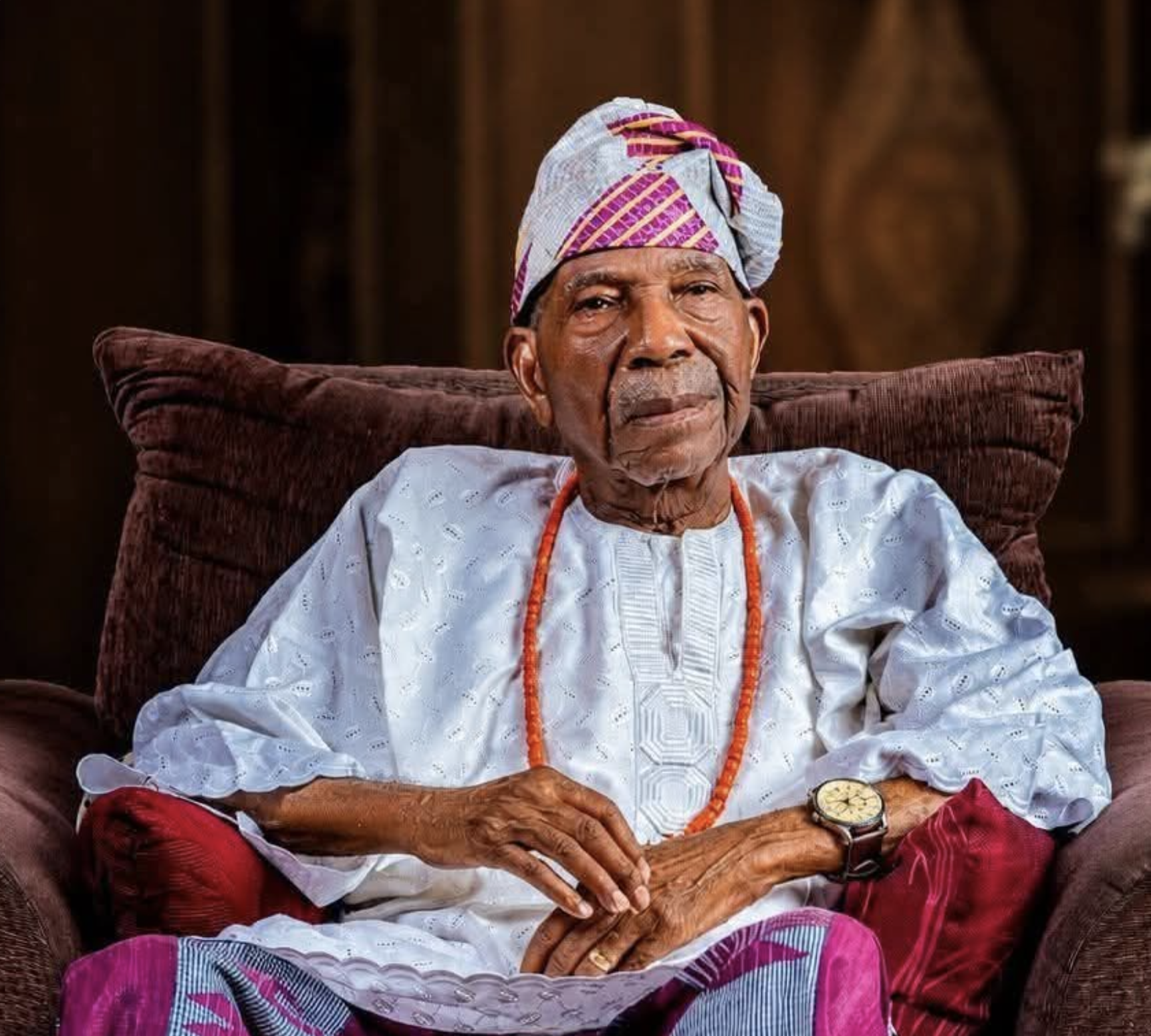
Tributes have continued to pour in for the late Afenifere leader, Reuben Fasoranti, with Senate President Godswill Akpabio, Senate Leader Opeyemi Bamidele, the pan-Yoruba socio-political organisation, the Yoruba Council of Elders (YCE) and Aare Ona Kakanfo of Yorubaland, Gani Adams, describing his death as the loss of a patriot whose contributions to democracy, federalism and national development transcended ethnic and political boundaries.
Fasoranti, who died on Tuesday, October 20, 2026, was 100 years old. He celebrated his centenary on May 11, barely five months before his death.
The elder statesman, who assumed the leadership of Afenifere in November 2008 following the death of Abraham Adesanya, was remembered for his involvement in Nigeria’s democratic struggles, his commitment to Yoruba interests and his advocacy of justice, good governance and equitable power-sharing.
In separate condolence messages, the political and socio-cultural leaders said Fasoranti belonged to a generation of Nigerians whose public lives were shaped by sacrifice, conviction and a commitment to democratic ideals.
Akpabio described the deceased as one of the rare elder statesmen whose lives embodied wisdom, courage and principled leadership.
“Pa Reuben Fasoranti was one of those rare elder statesmen whose lives embodied the wisdom of experience and the strength of conviction. His passing is a painful loss, not only to his immediate family and the Yoruba people, but also to the entire Nigerian nation.”
He noted that Fasoranti’s contributions to public life and his steadfast commitment to his convictions had left an enduring legacy for succeeding generations.
“At 100, Baba Fasoranti leaves behind an enduring legacy of service, courage and fidelity to his convictions. His life reminds us that true leadership is measured not merely by the positions we occupy, but by the values we uphold, the people we serve and the positive impact we leave on society.
“Though he has departed, the principles he stood for and the example he set will continue to inspire generations of Nigerians.”
Akpabio extended condolences to the Fasoranti family, Afenifere, the people of Akure, the Ondo State Government and the Yoruba nation, urging the bereaved to draw comfort from the elder statesman’s long and consequential life.
Similarly, Bamidele described Fasoranti as a patriot who consistently placed national interest above personal and sectional considerations.
The Senate Leader said the deceased’s contributions as an educationist, school administrator, community leader and political figure had left an indelible mark on the country’s development.
He described Fasoranti as one of the last surviving Awoists and a vital link between the politics of the First Republic and the Fourth Republic.
According to him, Fasoranti remained a custodian of the progressive ideals associated with Obafemi Awolowo, whose political philosophy influenced generations of Nigerian leaders.
“His wise counsel, moral authority and stabilising voice will be sorely missed at this critical period in our national life.”
Bamidele also commiserated with the deceased’s family, the people of Ondo State, Afenifere and the Yoruba nation, praying for the peaceful repose of his soul.
In its tribute, Afenifere described Fasoranti as a humanist, philanthropist, exemplary leader and genuine patriot who demonstrated courage even in difficult personal circumstances.
In a statement issued by its National Publicity Secretary, Jare Ajayi, the organisation said Fasoranti was its first leader to attain the age of 100, describing his longevity and years of service as remarkable milestones in its history.
Afenifere recalled that the deceased was a prominent member of Awolowo’s Action Group and participated in the struggle for Nigeria’s independence before becoming involved in subsequent campaigns for democratic governance.
It particularly highlighted his participation in the National Democratic Coalition (NADECO), which opposed military rule and campaigned for the actualisation of the June 12, 1993 presidential election won by the late Moshood Kashimawo Olawale Abiola.
The organisation said Fasoranti, like Awolowo, Adekunle Ajasin and Adesanya before him, believed that public office should be used to advance the welfare and interests of the people.
Beyond politics, Afenifere noted his contributions to education, including the establishment of Omolere Nursery and Primary School, Akure High School and St. Frances’ Academy in Igoba, Akure, Ondo State.
Fasoranti also served as Ondo State Commissioner for Finance between 1979 and 1983 under the administration of Governor Michael Adekunle Ajasin.
Afenifere expressed condolences to his family, the Ondo State Government and people, the Yoruba at home and in the diaspora, and Nigerians generally, saying it would “sorely miss this exemplary, unassuming, progressive icon.”
The organisation said details of his burial arrangements would be announced later.
The Yoruba Council of Elders also mourned Fasoranti, describing his death as a great loss to the Yoruba race and Nigeria.
In a condolence message dated October 21, the council’s Secretary-General, Oladipo Oyewole, speaking on behalf of its President, Jibade Oyekan, and members, said the late Afenifere leader would be remembered for his “humane nature, amiable disposition and an unwavering commitment to the Yoruba cause.”
The council said his wisdom, exemplary leadership and dedication to human advancement would remain an inspiration, even as his passing created a vacuum in Yoruba leadership.
It prayed for strength for his family and associates to bear the loss.
Also paying tribute, the Aare Ona Kakanfo of Yorubaland, Gani Adams, described Fasoranti’s death as the end of an era in Yoruba leadership and Nigeria’s socio-political history.
Adams said the late Afenifere leader stood for integrity, discipline and selfless service, particularly through his advocacy of true federalism, justice and good governance.
“We have lost a leader whose wisdom and principled stance on issues of justice, true federalism, and good governance had been a guiding light for generations.”
He recalled Fasoranti’s efforts to promote Yoruba unity and cultural pride while advocating the protection of the region’s interests within the Nigerian federation.
“His leadership was marked by a commitment to democratic values and the pursuit of justice, which earned him respect not only among the Yoruba but across Nigeria’s diverse ethnic landscape,” Adams said.
The Aare Ona Kakanfo noted that Fasoranti believed Nigeria’s unity could best be sustained through equitable power-sharing and respect for the autonomy of its constituent regions.
He said the deceased also helped sustain Awolowo’s progressive vision, particularly its emphasis on education, social justice and economic development.
Despite his strong advocacy of Yoruba interests, Adams said Fasoranti remained committed to national unity, dialogue and peaceful resolution of disputes.
He described the late elder statesman’s leadership style as inclusive and conciliatory, saying his contributions to peace and stability would remain part of his enduring legacy.
Adams prayed for the repose of Fasoranti’s soul and urged present and future leaders to emulate his integrity, courage and dedication to public service.
Other News
…Bamidele, YCE, Gani Adams extol his integrity, patriotism, selfless service
From Adesuwa Tsan, Abuja, and Oluseye Ojo and Lukman Olabiyi
Tributes have continued to pour in for the late Afenifere leader, Reuben Fasoranti, with Senate President Godswill Akpabio, Senate Leader Opeyemi Bamidele, the pan-Yoruba socio-political organisation, the Yoruba Council of Elders (YCE) and Aare Ona Kakanfo of Yorubaland, Gani Adams, describing his death as the loss of a patriot whose contributions to democracy, federalism and national development transcended ethnic and political boundaries.
Fasoranti, who died on Tuesday, October 20, 2026, was 100 years old. He celebrated his centenary on May 11, barely five months before his death.
The elder statesman, who assumed the leadership of Afenifere in November 2008 following the death of Abraham Adesanya, was remembered for his involvement in Nigeria’s democratic struggles, his commitment to Yoruba interests and his advocacy of justice, good governance and equitable power-sharing.
In separate condolence messages, the political and socio-cultural leaders said Fasoranti belonged to a generation of Nigerians whose public lives were shaped by sacrifice, conviction and a commitment to democratic ideals.
Akpabio described the deceased as one of the rare elder statesmen whose lives embodied wisdom, courage and principled leadership.
“Pa Reuben Fasoranti was one of those rare elder statesmen whose lives embodied the wisdom of experience and the strength of conviction. His passing is a painful loss, not only to his immediate family and the Yoruba people, but also to the entire Nigerian nation.”
He noted that Fasoranti’s contributions to public life and his steadfast commitment to his convictions had left an enduring legacy for succeeding generations.
“At 100, Baba Fasoranti leaves behind an enduring legacy of service, courage and fidelity to his convictions. His life reminds us that true leadership is measured not merely by the positions we occupy, but by the values we uphold, the people we serve and the positive impact we leave on society.
“Though he has departed, the principles he stood for and the example he set will continue to inspire generations of Nigerians.”
Akpabio extended condolences to the Fasoranti family, Afenifere, the people of Akure, the Ondo State Government and the Yoruba nation, urging the bereaved to draw comfort from the elder statesman’s long and consequential life.
Similarly, Bamidele described Fasoranti as a patriot who consistently placed national interest above personal and sectional considerations.
The Senate Leader said the deceased’s contributions as an educationist, school administrator, community leader and political figure had left an indelible mark on the country’s development.
He described Fasoranti as one of the last surviving Awoists and a vital link between the politics of the First Republic and the Fourth Republic.
According to him, Fasoranti remained a custodian of the progressive ideals associated with Obafemi Awolowo, whose political philosophy influenced generations of Nigerian leaders.
“His wise counsel, moral authority and stabilising voice will be sorely missed at this critical period in our national life.”
Bamidele also commiserated with the deceased’s family, the people of Ondo State, Afenifere and the Yoruba nation, praying for the peaceful repose of his soul.
In its tribute, Afenifere described Fasoranti as a humanist, philanthropist, exemplary leader and genuine patriot who demonstrated courage even in difficult personal circumstances.
In a statement issued by its National Publicity Secretary, Jare Ajayi, the organisation said Fasoranti was its first leader to attain the age of 100, describing his longevity and years of service as remarkable milestones in its history.
Afenifere recalled that the deceased was a prominent member of Awolowo’s Action Group and participated in the struggle for Nigeria’s independence before becoming involved in subsequent campaigns for democratic governance.
It particularly highlighted his participation in the National Democratic Coalition (NADECO), which opposed military rule and campaigned for the actualisation of the June 12, 1993 presidential election won by the late Moshood Kashimawo Olawale Abiola.
The organisation said Fasoranti, like Awolowo, Adekunle Ajasin and Adesanya before him, believed that public office should be used to advance the welfare and interests of the people.
Beyond politics, Afenifere noted his contributions to education, including the establishment of Omolere Nursery and Primary School, Akure High School and St. Frances’ Academy in Igoba, Akure, Ondo State.
Fasoranti also served as Ondo State Commissioner for Finance between 1979 and 1983 under the administration of Governor Michael Adekunle Ajasin.
Afenifere expressed condolences to his family, the Ondo State Government and people, the Yoruba at home and in the diaspora, and Nigerians generally, saying it would “sorely miss this exemplary, unassuming, progressive icon.”
The organisation said details of his burial arrangements would be announced later.
The Yoruba Council of Elders also mourned Fasoranti, describing his death as a great loss to the Yoruba race and Nigeria.
In a condolence message dated October 21, the council’s Secretary-General, Oladipo Oyewole, speaking on behalf of its President, Jibade Oyekan, and members, said the late Afenifere leader would be remembered for his “humane nature, amiable disposition and an unwavering commitment to the Yoruba cause.”
The council said his wisdom, exemplary leadership and dedication to human advancement would remain an inspiration, even as his passing created a vacuum in Yoruba leadership.
It prayed for strength for his family and associates to bear the loss.
Also paying tribute, the Aare Ona Kakanfo of Yorubaland, Gani Adams, described Fasoranti’s death as the end of an era in Yoruba leadership and Nigeria’s socio-political history.
Adams said the late Afenifere leader stood for integrity, discipline and selfless service, particularly through his advocacy of true federalism, justice and good governance.
“We have lost a leader whose wisdom and principled stance on issues of justice, true federalism, and good governance had been a guiding light for generations.”
He recalled Fasoranti’s efforts to promote Yoruba unity and cultural pride while advocating the protection of the region’s interests within the Nigerian federation.
“His leadership was marked by a commitment to democratic values and the pursuit of justice, which earned him respect not only among the Yoruba but across Nigeria’s diverse ethnic landscape,” Adams said.
The Aare Ona Kakanfo noted that Fasoranti believed Nigeria’s unity could best be sustained through equitable power-sharing and respect for the autonomy of its constituent regions.
He said the deceased also helped sustain Awolowo’s progressive vision, particularly its emphasis on education, social justice and economic development.
Despite his strong advocacy of Yoruba interests, Adams said Fasoranti remained committed to national unity, dialogue and peaceful resolution of disputes.
He described the late elder statesman’s leadership style as inclusive and conciliatory, saying his contributions to peace and stability would remain part of his enduring legacy.
Adams prayed for the repose of Fasoranti’s soul and urged present and future leaders to emulate his integrity, courage and dedication to public service.